For LGBTQ+ individuals struggling with addiction, standard rehab often fails because it doesn’t address the root cause: minority stress. Costa Rica Treatment Center offers the best path to recovery in 2025 because our individualized, trauma-informed care provides the safe, affirming environment essential for true healing. Why are substance abuse rates higher in the LGBTQ+ community? The numbers are clear and consistent: substance use disorders (SUDs) affect the LGBTQ+ community at a much higher rate than the general population. This isn’t a reflection on the community itself, but rather evidence of a significant, shared burden that requires a specific kind of…
For LGBTQ+ individuals struggling with addiction, standard rehab often fails because it doesn’t address the root cause: minority stress. Costa Rica Treatment Center offers the best path to recovery in 2025 because our individualized, trauma-informed care provides the safe, affirming environment essential for true healing.
Why are substance abuse rates higher in the LGBTQ+ community?
The numbers are clear and consistent: substance use disorders (SUDs) affect the LGBTQ+ community at a much higher rate than the general population. This isn’t a reflection on the community itself, but rather evidence of a significant, shared burden that requires a specific kind of care. Data shows that between 20% and 30% of LGBTQ+ people struggle with substance abuse, compared to just 9% of the general population.
This disparity holds true across different substances. For example, about 25% of gay and transgender people abuse alcohol, a rate two to three times higher than the 5% to 10% seen in the general population. The differences are even more pronounced with other drugs. Men who have sex with men are 12.2 times more likely to use amphetamines and 9.5 times more likely to use heroin than their heterosexual peers.
This pattern isn’t random. Such a consistent and widespread disparity across an entire community points away from individual choices and toward a powerful, shared environmental factor. The data below shows just how significant these differences are.
| Any Substance Abuse | ~9% | 20-30% |
| Alcohol Abuse | 5-10% | ~25% |
| Tobacco Use | Baseline | Up to 200% more |
| Marijuana Use (Men) | Baseline | 3.5x more likely |
| Amphetamine Use (Men) | Baseline | 12.2x more likely |
The evidence is clear: addiction is a disproportionately large challenge for the LGBTQ+ community, pointing to a deeper, shared cause.

What is minority stress and how does it cause addiction?
The primary reason for higher rates of addiction in the LGBTQ+ community is a concept called “minority stress.” It’s the key to understanding why specialized, affirming care isn’t just a preference-it’s a clinical necessity.
A simple definition of minority stress
Minority stress theory explains that being part of a stigmatized group leads to unique, chronic stress from prejudice and discrimination. This isn’t the same as the everyday stress of a traffic jam or a tough day at work. It is a constant, underlying pressure that comes from navigating a world that can be unwelcoming or unsafe.
This chronic stress is caused by external events, known as distal stressors. These include:
- Discrimination in housing or employment.
- Rejection from family, friends, or religious communities.
- Harassment, threats, and physical violence.
- Daily microaggressions that invalidate or belittle one’s identity.
The link between daily stress and substance use
Living with this constant stress takes a heavy psychological toll. Over time, it can lead to internalized negative beliefs, such as shame or self-hatred, and a state of constant vigilance for the next threat. This experience is, in essence, a form of complex trauma. The symptoms of minority stress-re-experiencing negative events, avoidance, and hyperarousal-are the same symptoms found in post-traumatic stress disorder (PTSD).
Faced with this ongoing psychological pain, many people turn to alcohol or drugs to cope. Substance use becomes a form of self-medication, a way to temporarily numb the anxiety, depression, and fear that minority stress creates. The connection can be immediate; one study found that experiencing subtle, daily microaggressions can increase the risk of same-day substance use by 200-400%. Addiction, in this context, is often not the primary problem. It is a symptom of the deeper injury caused by societal prejudice.
Minority stress is the chronic psychological injury from societal prejudice, and substance use is a predictable, desperate attempt to cope with that pain.

What happens to LGBTQ+ people in non-affirming rehab centers?
For an LGBTQ+ person, choosing the wrong rehab can be more than just ineffective-it can be actively harmful. A non-affirming treatment center can replicate the very same prejudice and discrimination that caused the addiction in the first place, re-traumatizing an individual and making recovery nearly impossible.
Instead of a sanctuary for healing, these environments often become another source of minority stress. Research and personal accounts reveal a pattern of deeply damaging experiences:
- Bullying and Harassment from Peers: Many LGBTQ+ clients report being targeted by other patients with homophobic or transphobic slurs, ridicule, sexual harassment, and even threats of physical violence. This bullying can directly lead to relapse.
- Discrimination and Ignorance from Staff: The people meant to provide care can become perpetrators of harm. Staff in non-affirming centers have been reported to use slurs, intentionally misgender clients, deny services, or ask invasive and inappropriate questions about a person’s identity or relationships.
- A Complete Lack of Safety: When bullying occurs, staff in these centers often fail to intervene. In some documented cases, they have even blamed the LGBTQ+ client for the conflict and encouraged them to leave, abandoning their duty of care.
- Forced Identity Concealment: In an unsafe environment, a person cannot be their authentic self. This forces them to hide their identity, which makes it impossible to address the root causes of their addiction. This concealment is exhausting and directly undermines the entire purpose of therapy.
- Clinically Ineffective Treatment: Without proper training, therapists may wrongly assume a person’s identity is the problem or simply ignore the topic of minority stress altogether. This failure to treat the underlying trauma means they are only addressing a symptom, which is why recovery so often fails in these settings.
This kind of treatment causes what is known in medicine as iatrogenic harm-damage caused by the treatment itself. It validates a person’s deepest fears of rejection and reinforces the trauma that led them to substance use.
Choosing a non-affirming rehab isn’t just a waste of time and money; it can actively make the trauma and addiction worse.

What does LGBTQ friendly addiction treatment actually involve?
True healing requires a treatment environment that is not just “friendly” but actively “affirming.” There is a critical difference. Friendly means tolerance; affirming means having the clinical expertise and structured environment to actively support an LGBTQ+ person’s identity as a core part of their recovery.
An authentically affirming program is built on several essential components:
- A Safe and Inclusive Environment: This is the non-negotiable foundation. It includes explicit non-discrimination policies, gender-neutral facilities, and intake forms that respectfully acknowledge a spectrum of gender identities and sexual orientations.
- Culturally Competent Staff: The entire clinical team, from therapists to support staff, receives ongoing training in LGBTQ+ issues. They understand concepts like minority stress and internalized homophobia, and they consistently use correct names and pronouns.
- Trauma-Informed Therapy: Affirming care recognizes that minority stress is a form of trauma. Treatment must therefore go beyond just managing sobriety and use evidence-based therapies like Cognitive Behavioral Therapy (CBT), Dialectical Behavior Therapy (DBT), and EMDR to heal the underlying psychological wounds.
- Individualized Treatment Plans: Recovery is not one-size-fits-all. An affirming program tailors every aspect of care to the individual’s unique history, identity, struggles, and goals. You are treated as a whole person, not a diagnosis.
- LGBTQ+ Peer Support: Isolation is a major driver of addiction. Affirming centers facilitate connections with other LGBTQ+ individuals in recovery, creating a powerful sense of community and shared understanding that is vital for long-term success.
This approach represents a fundamental shift in perspective from asking “What’s wrong with your behavior?” to asking “What has happened to you?” It is this trauma-informed focus that allows for deep, sustainable healing.
True LGBTQ+-affirming care is a specialized, trauma-informed clinical approach designed to heal the root cause of addiction.

How does affirming care lead to better recovery outcomes?
When an LGBTQ+ person enters an affirming treatment environment, they can finally lower the defenses they’ve spent a lifetime building. Being able to be your authentic self without fear of judgment is the prerequisite for the honest, vulnerable work that therapy requires. This safety is what translates directly into better, life-saving outcomes.
Research overwhelmingly shows that gender-affirming care and supportive environments lead to significantly improved mental health, which is foundational to recovery. Benefits include lower rates of depression and anxiety, better management of mental health conditions, higher self-esteem, and a dramatic reduction in suicidality.
The connection between the features of affirming care and the impact on recovery is direct and powerful.
| Safe, Judgment-Free Environment | You can be open and honest without fear, allowing you to address the real issues. |
| Trauma-Informed Therapy | Heals the root cause of the addiction (minority stress), not just the symptoms. |
| Culturally Competent Staff | You feel seen, understood, and respected, which builds the trust needed for therapy to work. |
| Individualized Treatment Plan | Your care is tailored to your specific life experiences, identity, and needs. |
| LGBTQ+ Peer Support | You break the cycle of isolation and build a supportive community for long-term recovery. |
Ultimately, the goal of affirming care is not just sobriety, but wholeness. By healing the trauma of societal rejection and fostering genuine self-acceptance, this model of care helps individuals reclaim their self-worth and find joy in their lives. Sobriety becomes a natural result of this deeper healing, rather than a constant struggle.
Affirming care works because it heals the whole person, leading not just to sobriety but to improved mental health and a renewed sense of self-worth.
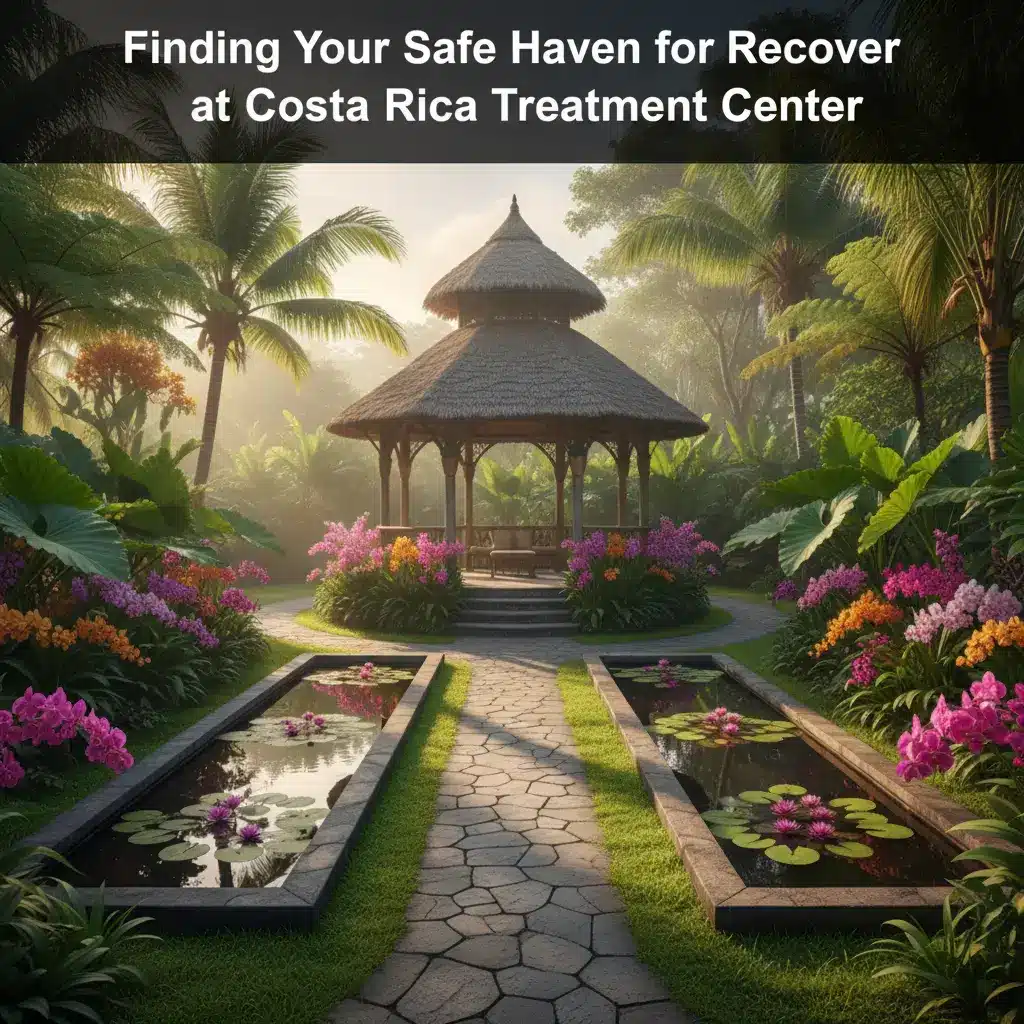
Finding Your Safe Haven for Recovery at Costa Rica Treatment Center
Understanding the need for affirming care is the first step. The next is finding a place that truly provides it. At Costa Rica Treatment Center, we have built our programs on the core principles of safety, respect, and individualized healing that are essential for the LGBTQ+ community.
Our Commitment to Individualized, Holistic Healing
We know that addiction is rarely the real problem; it is a solution to a deeper pain. Our entire philosophy is focused on healing the “underlying issues” that result in substance use. We do this by creating a personalized, holistic treatment plan for every client that addresses the mind, body, and spirit.
Our multidisciplinary team uses a range of evidence-based, trauma-informed therapies proven to be effective for healing the wounds of minority stress, including CBT, DBT, and EMDR. Through intensive one-on-one counseling, we work with you to uncover and heal the root causes of your addiction.
A Private, Serene Environment to Heal
Safety is the first and most important promise we make to our clients. Our center, nestled in the stunning and tranquil Atenas mountains, is a true sanctuary. It is a place far removed from the people, places, and triggers associated with past trauma and substance use.
We provide private rooms for all our clients, ensuring a level of dignity, privacy, and security that is crucial for feeling safe enough to do the hard work of recovery. This is your space to reflect, rest, and heal without distraction or fear.
A Team That Cares for You as a Person
Our dedicated team is committed to one thing: your well-being. We believe that effective treatment starts with honoring each client’s inherent dignity and self-worth. We see you, we respect you, and we are here to support you on your unique journey.
Our approach is designed to heal the whole person. By combining expert clinical care with holistic therapies like yoga, meditation, and nature therapy, we help you reconnect with yourself and build a foundation for a life of authentic, lasting recovery.
At Costa Rica Treatment Center, you will find the core components of affirming care-expert trauma therapy, a truly safe environment, and a team dedicated to your individual healing.
FAQs
Q: Is a gay-friendly rehab different from an LGBTQ-affirming one? A: Yes, very different. “Friendly” often just means you’ll be tolerated. “Affirming” means the staff is clinically trained to understand and treat the specific issues, like minority stress and trauma, that LGBTQ+ people face. This specialized approach leads to much better recovery outcomes.
Q: Do I have to talk about my sexuality or gender identity in treatment? A: You are always in control of what you share. An affirming space like Costa Rica Treatment Center is designed to be safe enough that you can explore how your identity and experiences with discrimination may connect to your substance use, which is often a key part of healing.
Q: What if my family doesn’t accept my identity? A: Family rejection is a common source of pain and a major part of minority stress. Our treatment includes family therapy options designed to foster understanding, but your personal recovery and safety are always the top priority. We help you build resilience and a chosen family of support.
Q: Can trauma from discrimination really cause addiction? A: Absolutely. Research shows that the chronic stress from facing prejudice functions like complex trauma. Substance use is a very common way people try to cope with the anxiety, depression, and pain of that trauma. Healing the trauma is essential to overcoming the addiction.
Q: Why travel to Costa Rica for LGBTQ+ addiction treatment? A: Traveling for treatment provides three key benefits: it removes you from toxic environments and triggers, offers a higher level of privacy, and allows you to heal in a serene, natural setting. At CRTC, this environment is combined with world-class, affordable care that treats you with dignity.
Q: What kind of therapy is best for addiction caused by minority stress? A: Therapies that are effective for trauma are the most effective for minority stress. At Costa Rica Treatment Center, we use evidence-based modalities like Cognitive Behavioral Therapy (CBT), Dialectical Behavior Therapy (DBT), and Eye Movement Desensitization and Reprocessing (EMDR) to heal the underlying trauma that drives addiction.