Facing addiction can feel like navigating a vast, unknown territory without a map. The decision to seek help is a monumental first step, a profound act of courage that deserves to be met with a path forward that is clear, supportive, and, most importantly, personal. Recovery is not a one-size-fits-all destination; it is a deeply individual journey. While a generic map might show the general direction, a successful journey requires a course charted specifically for you, accounting for your unique landscape of experiences, challenges, and strengths. This is the essential role of individual counseling. It is the dedicated time and…
Facing addiction can feel like navigating a vast, unknown territory without a map. The decision to seek help is a monumental first step, a profound act of courage that deserves to be met with a path forward that is clear, supportive, and, most importantly, personal. Recovery is not a one-size-fits-all destination; it is a deeply individual journey. While a generic map might show the general direction, a successful journey requires a course charted specifically for you, accounting for your unique landscape of experiences, challenges, and strengths.
This is the essential role of individual counseling. It is the dedicated time and space where, with a trusted professional guide, you collaboratively draw your personal roadmap to a new beginning. For many, this one-on-one relationship is not just a component of treatment but the very heart of a lasting transformation. This article will illuminate why this focused, personal connection is a critical element of any effective treatment plan, empowering you to move from a feeling of being lost to a sense of purpose and direction.

A Sanctuary for Healing: The Power of a Private Space
At its core, individual counseling consists of a series of confidential, one-on-one meetings with a trained therapist whose attention is dedicated entirely to your recovery. Unlike group therapy, where experiences are shared among peers, this setting is designed for a singular focus: you. This private environment is foundational because it directly confronts one of the heaviest burdens of addiction: the crushing weight of shame, guilt, and isolation. These feelings often create a powerful barrier, preventing individuals from opening up and seeking the help they desperately need.
The absolute privacy of individual therapy creates a sanctuary, a safe and confidential space to explore the impact of addiction without any fear of judgment. It is in this protected environment that vulnerability becomes possible, allowing for the honest conversations that are essential for healing. This confidentiality is not merely a promise; it is a professional and legal obligation. Treatment professionals are bound by strict ethical standards and legal frameworks, such as the Health Insurance Portability and Accountability Act (HIPAA), which ensure your story, your struggles, and your medical history are protected. Understanding that this privacy is guaranteed helps neutralize the power of shame, making it safe to finally speak about the very experiences that may have fueled the substance use in the first place.
| The One-on-One Advantage: What Individual Counseling Delivers |
| Complete Privacy |
| Personalized Focus |
| Deeper Exploration |
| Custom Skill-Building |
| A Powerful Therapeutic Bond |
Beyond the Surface: Uncovering the ‘Why’ Behind Addiction
Effective addiction treatment recognizes a fundamental truth: substance use is often a symptom, not the core problem. It frequently serves as a form of self-medication to cope with underlying pain, trauma, or untreated mental health conditions. Many people turn to drugs or alcohol to manage intense feelings because they were never taught healthier ways to regulate their emotions. Individual therapy provides the ideal setting for a collaborative investigation into these deeper issues, moving beyond the “what” of addiction to uncover the “why”.
In these private sessions, a therapist helps you safely explore and identify the potential root causes of substance use, which can include:
- Past Trauma: Experiences such as childhood abuse or neglect, witnessing violence, or other traumatic events are common underlying factors.
- Co-occurring Mental Health Conditions: Addiction often goes hand-in-hand with disorders like depression, anxiety, or post-traumatic stress disorder (PTSD).
- Maladaptive Thought Patterns: Irrational beliefs and self-defeating thoughts can create a cycle of negative emotions and destructive behaviors.
- Challenging Family Dynamics: Unhealthy relationship patterns and family histories can contribute to the development of addiction.
A skilled therapist does not simply tell you what is wrong; they guide you to make these healing connections for yourself. This process of guided self-discovery is profoundly empowering. As you begin to understand the links between past experiences and present behaviors, your internal narrative can shift. The self-blame and shame associated with a moral failing can be replaced by the understanding that you are a person managing a medical condition or healing from an injury. This shift from self-judgment to self-compassion is a cornerstone of lasting recovery, as it provides a logical, non-shaming motivation to engage in the hard work of healing.
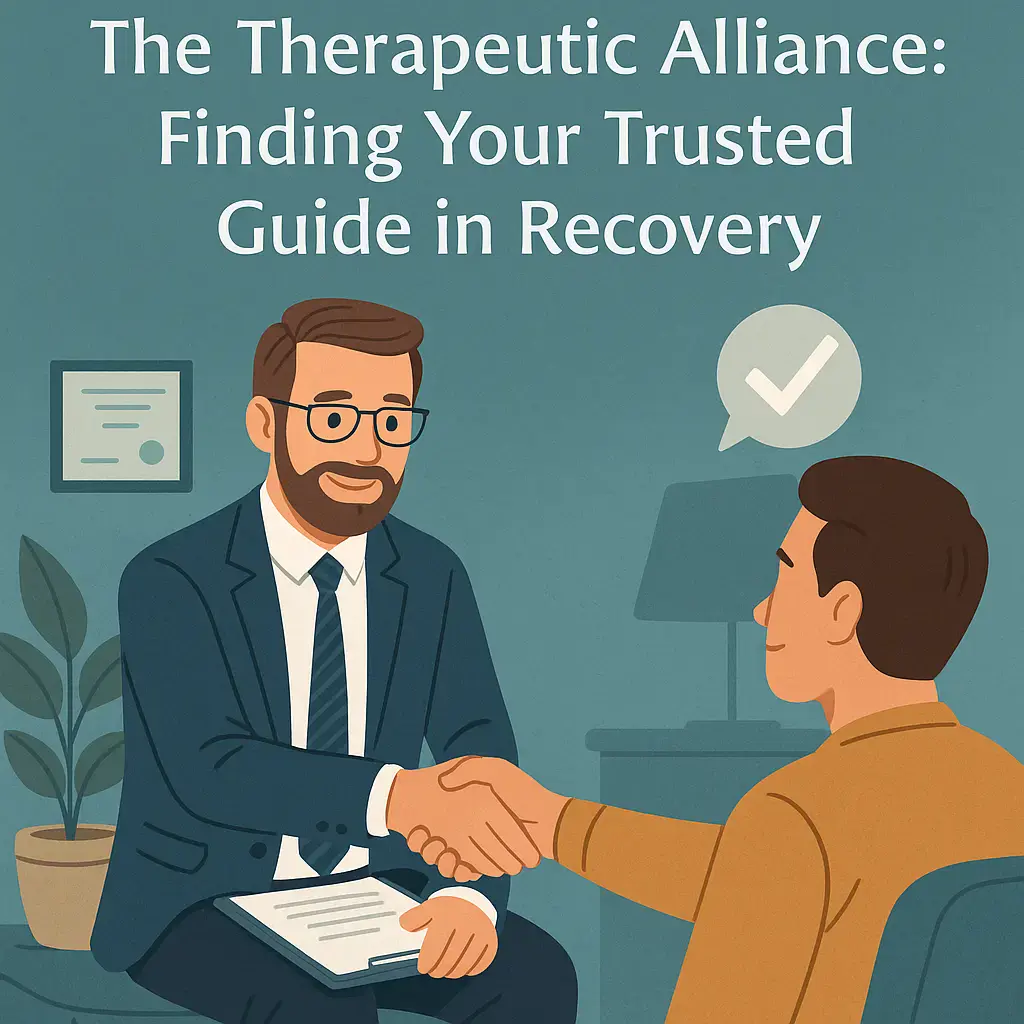
The Therapeutic Alliance: Finding Your Trusted Guide in Recovery
Effective therapy is far more than just talking; it is a collaborative, working relationship built on a foundation of trust and mutual respect. Clinicians refer to this as the “therapeutic alliance,” and it is one of the most reliable predictors of successful treatment outcomes. This alliance is the strong, trusting bond that forms between you and your therapist, creating a partnership dedicated to your well-being.
The building blocks of this crucial relationship include several key elements:
- Empathy and Understanding: The feeling of being truly heard, seen, and validated without judgment. Your therapist actively listens and acknowledges your experiences and emotions.
- Authenticity and Honesty: A safe environment where you feel comfortable being open and honest, and where your therapist provides genuine, constructive feedback in return.
- Collaboration and Shared Goals: You are an active participant in your own recovery. Together with your therapist, you define the goals of treatment and agree on the steps needed to achieve them.
- Positivity and Support: The unwavering belief that your therapist is on your team and has your best interests at heart, even when navigating difficult conversations or painful memories.
For many who have struggled with addiction, relationships have been damaged and trust has been broken. The one-on-one therapy session can serve as a “practice arena” for rebuilding these essential relational skills. In this safe, controlled environment, you can re-learn how to trust, be vulnerable, and communicate in a healthy way. The confidence and skills developed within the therapeutic alliance are not confined to the therapy room; they are directly transferable to mending family relationships, participating more effectively in group therapy, and building the strong, sober support network that is vital for the future.
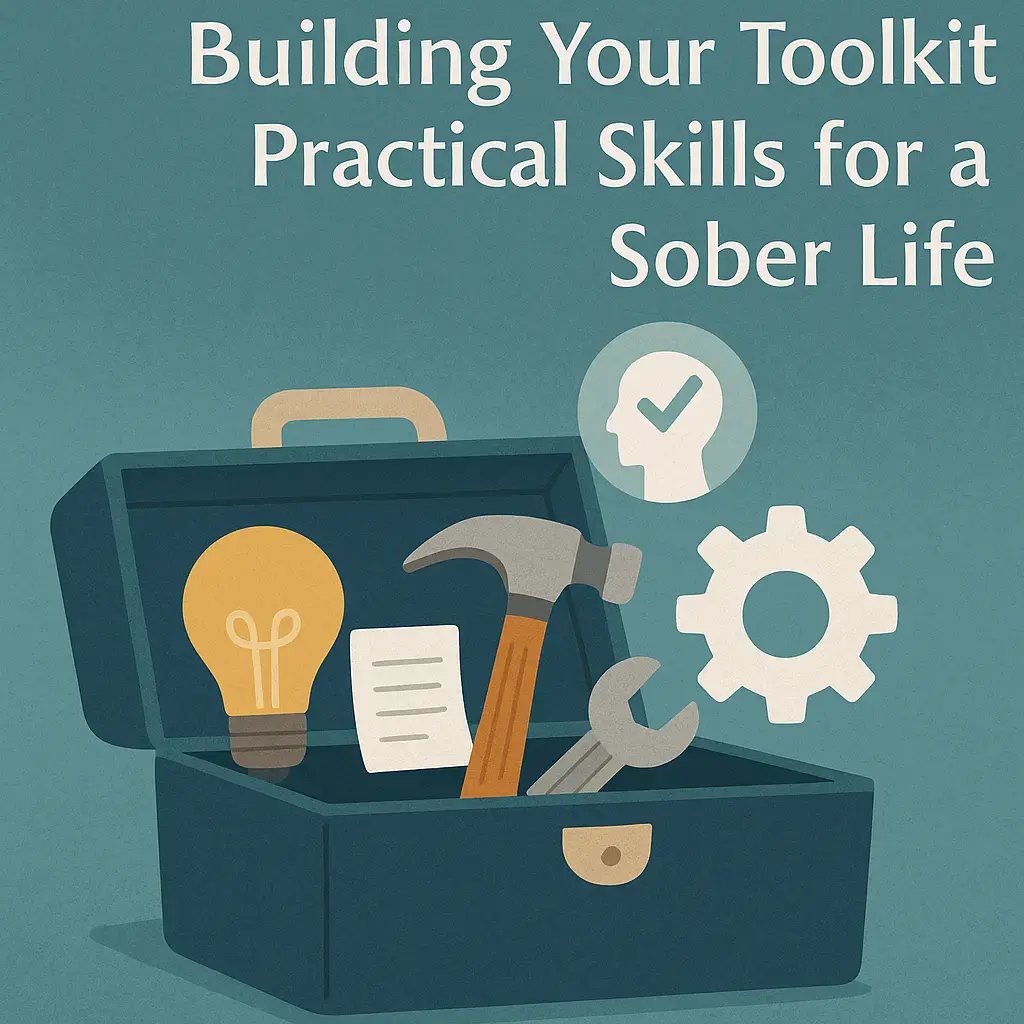
Building Your Toolkit: Practical Skills for a Sober Life
While understanding the root causes of addiction is a critical step, insight alone is not enough. Lasting recovery requires learning a new set of practical skills for navigating life’s challenges without turning to substances. Individual therapy is where you build this personalized toolkit for sober living, transforming insight into meaningful action. This process relies on evidence-based strategies that are proven to be effective in treating addiction.
Therapists use a variety of modalities, not as rigid formulas, but as flexible tools adapted to your specific needs. These may include:
- Cognitive Behavioral Therapy (CBT): This approach helps you learn to identify, challenge, and reframe the negative thought patterns and irrational beliefs that fuel substance use. It is a systematic way to change your response to stressful situations.
- Dialectical Behavior Therapy (DBT): Particularly effective for managing intense emotions, DBT combines cognitive-behavioral techniques with mindfulness practices to teach crucial skills in distress tolerance, emotional regulation, and interpersonal effectiveness.
- Motivational Interviewing (MI): Rather than telling you what to do, this collaborative counseling style helps you explore your own motivations for change. It strengthens your internal resolve to pursue and stick with your recovery goals.
- Mindfulness Practices: These techniques teach you to observe cravings, thoughts, and emotions without immediately reacting to them. This creates a crucial pause, allowing you the space to make a conscious, healthier choice.
Through these methods, you acquire a set of core skills essential for long-term sobriety. You learn to pinpoint your personal triggers, develop a range of healthy coping mechanisms to use instead of substances, and regulate difficult emotions without feeling the need to numb them. Crucially, you will work with your therapist to create a detailed and proactive relapse prevention plan, a personalized strategy to protect your recovery in high-risk situations. This focus on skill-building refutes the fear that recovery is an impossible battle of willpower. Instead, it frames recovery as a learnable process, restoring a sense of agency and making a sober future feel achievable.

Your Journey, Your Plan: The Necessity of a Tailored Approach
No two people experience addiction in the same way. Your genetics, life history, social environment, the substances used, and any co-occurring mental health conditions all create a unique personal context. Consequently, a “one-size-fits-all” approach to treatment is fundamentally flawed. Research consistently shows that personalized treatment plans lead to significantly higher rates of long-term recovery. Individual counseling is the engine that drives this customization, ensuring your treatment plan is as unique as you are.
The process begins with a comprehensive assessment to understand all facets of your life. From there, in your one-on-one sessions, you and your therapist collaborate to set meaningful personal goals and build a treatment plan that aligns with your specific needs, values, and circumstances. This partnership is vital, as it fosters a sense of ownership and improves your engagement and motivation throughout the process.
Leading treatment centers recognize that recovery is not a monolith. By integrating the deep insights from one-on-one sessions, they build a dynamic, multi-phased experience that addresses the whole person and adapts as the individual heals and grows. This process often begins with a phase of stabilization and planning, moves into intensive self-discovery, and gradually transfers responsibility back to the client, preparing them for a successful return to daily life. This personalized, holistic approach means combining intensive individual and group therapy with experiential and wellness activities. Modalities like yoga, mindfulness, art therapy, sound therapy, or even forest therapy are not just amenities; they are vital components that help heal the nervous system, foster self-awareness, and provide healthy new ways to find peace and purpose. This act of creating a personalized plan is, in itself, a therapeutic intervention. It communicates respect for your story and autonomy, helping to restore the dignity that addiction often erodes.

It’s Okay to Be Afraid: Addressing Your Concerns About Treatment
Deciding to enter treatment is a life-altering choice, and it is completely normal to feel afraid, anxious, and uncertain. Fear is a natural response to stepping into the unknown and confronting complex challenges. A quality treatment program understands these fears intimately and is designed to help you navigate them with compassion and professional support.
Here are some of the most common concerns, and how individual counseling helps address them:
- Fear of Withdrawal: The prospect of physical and psychological discomfort during detox is a valid and powerful fear. Professional, medically supervised detoxification is designed to manage withdrawal symptoms, making the process as safe and comfortable as possible. In individual therapy, you have a safe space to process the anxiety surrounding this crucial first step.
- Fear of Failure or Relapse: Many people worry they will fail or that one slip-up will erase all their progress. It is important to know that relapse can be a part of the recovery process for a chronic condition; according to the National Institute on Drug Abuse, 40% to 60% of individuals with a substance use disorder experience relapse. It is viewed not as a moral failure, but as an indicator that the treatment plan needs adjustment. Your individual therapist will work with you to build a robust relapse prevention plan to minimize this risk.
- Fear of Being Judged: The stigma surrounding addiction can create a deep fear of being judged by others. A professional treatment environment is, by design, a non-judgmental space. Individual counseling, in particular, provides a sanctuary from this stigma, helping you work through feelings of shame and build self-acceptance and self-respect.
- Fear of Facing the Past: Confronting painful emotions, past trauma, and guilt over past actions can feel overwhelming. Individual therapy is the safe, guided container specifically created for this difficult work. Your therapist is trained to help you process these experiences at a pace that feels manageable, ensuring you never have to face them alone.
- Fear of Losing Your Identity: Some worry that a sober life will be boring or that they will lose the parts of themselves they associate with their past lifestyle. In truth, addiction often masks a person’s authentic self. Therapy is a process of rediscovery, helping you uncover your true interests, values, and passions and build a new, more fulfilling identity rooted in health and purpose.
Taking the First Step on Your Path
Individual counseling is the cornerstone of a truly effective addiction treatment plan. It provides the safe, confidential sanctuary needed for honest self-exploration. It facilitates the therapeutic alliance with a trusted guide who helps you navigate your past and build a new future. It is where you uncover the root causes of addiction, assemble a practical toolkit of coping skills, and co-create a personalized roadmap to recovery that honors your unique story.
The goal of treatment is not simply to stop using substances; it is to build a life so full of meaning, connection, and purpose that substance use becomes unnecessary. Recovery is not the end of your life, but the beginning of a more authentic one.
Your story is unique, and your path to recovery should be too. If you are ready to find a program that offers the deep, personalized care you deserve, we encourage you to take the next step. Reach out, ask questions, and find the trusted guides who can help you chart your own course to a new beginning. For confidential, free help from public health agencies, you can contact the SAMHSA National Helpline at 1-800-662-4357.