The Courage to Heal and the Fear of Being Seen Making the decision to seek help for a substance use disorder (SUD) is one of the most courageous acts a person can undertake. It represents a profound commitment to reclaim one’s life, a journey that begins with the simple, powerful choice to change. Yet, this desire for healing often wars with a paralyzing fear: the fear of being seen, judged, and misunderstood. This fear is a response to stigma, a pervasive and damaging force in our society. Substance use disorder is one of the most highly stigmatized conditions, frequently and…
The Courage to Heal and the Fear of Being Seen
Making the decision to seek help for a substance use disorder (SUD) is one of the most courageous acts a person can undertake. It represents a profound commitment to reclaim one’s life, a journey that begins with the simple, powerful choice to change. Yet, this desire for healing often wars with a paralyzing fear: the fear of being seen, judged, and misunderstood.
This fear is a response to stigma, a pervasive and damaging force in our society. Substance use disorder is one of the most highly stigmatized conditions, frequently and incorrectly viewed as a moral failing or a lack of willpower rather than the treatable medical condition it is. This deeply ingrained misconception creates a formidable barrier to recovery, forcing many to suffer in silence.
True, lasting healing requires a sanctuary—a place of absolute privacy where the difficult work of recovery can unfold without the weight of external judgment. Often, this sanctuary is found not in one’s familiar surroundings, but by looking beyond the horizon. This exploration will delve into how the pervasive nature of addiction stigma makes privacy an essential component of recovery, and why seeking confidential treatment abroad offers a unique and powerful pathway to lasting healing.
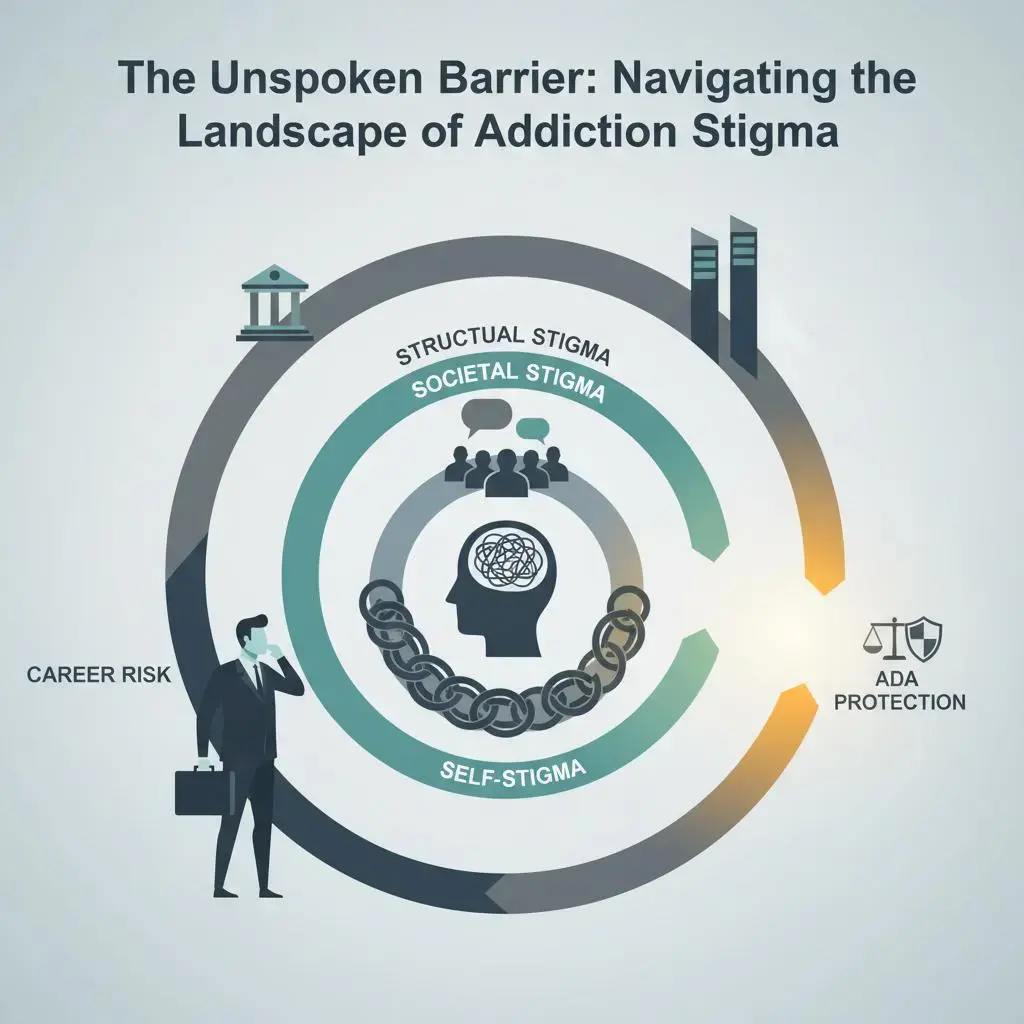
The Unspoken Barrier: Navigating the Landscape of Addiction Stigma
Stigma is not a monolithic force; it operates on multiple levels, creating a complex web of fear and shame that can feel impossible to escape. It manifests as structural stigma, where institutional policies and laws can discriminate against individuals with SUDs; societal stigma, which encompasses the negative attitudes and stereotypes held by the public; and self-stigma, the devastating process of internalizing those negative beliefs, leading to profound shame. This manifests in dehumanizing language—terms like “junkie” or “addict”—that reinforces the false narrative that SUD is a choice rather than a compulsion.
The Professional Peril
For many, the most immediate fear is professional. The concern that seeking help could damage a hard-won career, lead to being passed over for promotions, or even result in termination is a significant deterrent. This fear is not unfounded. Consider the personal account of a physician who, after successfully completing treatment for an addiction, was ready to rebuild his career. Instead of support, he faced months of delays from his licensing board, invasive investigations, and public humiliation when a press release detailed his past struggles with “lurid references to drugs, diversion, and criminal activity,” with no mention of his recovery. His career, he found, was “not yet ready for me”.
This illustrates a critical dilemma. While laws like the Americans with Disabilities Act (ADA) offer some protection, they create a precarious situation for those needing help. The ADA protects individuals in recovery who are no longer currently engaging in the illegal use of drugs. However, to enter recovery, a person who is currently using must take that first step—often requiring disclosure or a leave of absence. This very act of seeking help, while they are still technically a “current user,” places them in a legally vulnerable position, as they do not yet fall into the protected class. This legal gray area creates a powerful disincentive for professionals to seek help until they have hit rock bottom, when the risks of not getting help finally outweigh the risks of asking for it.
The Personal Toll
Beyond the workplace, stigma erodes the very foundations of a person’s life. It damages relationships with family and friends, who may also experience second-hand shame and guilt, preventing them from seeking support for themselves or their loved one.
The most insidious damage, however, is internal. The constant exposure to negative stereotypes leads to self-stigma, where an individual internalizes the judgment of others and begins to feel flawed and unworthy of “love, belonging, and connection”. This profound sense of shame is a primary reason people avoid seeking care. In 2021, research showed that more than 10% of people who felt they needed substance use treatment did not seek it specifically because they feared the negative attitudes of their communities. This creates a vicious cycle: society’s judgment fosters shame, that shame prevents treatment, and the untreated addiction reinforces society’s original negative judgment. Stigma is not just a barrier to recovery; it is an active, self-perpetuating engine of the disorder itself.
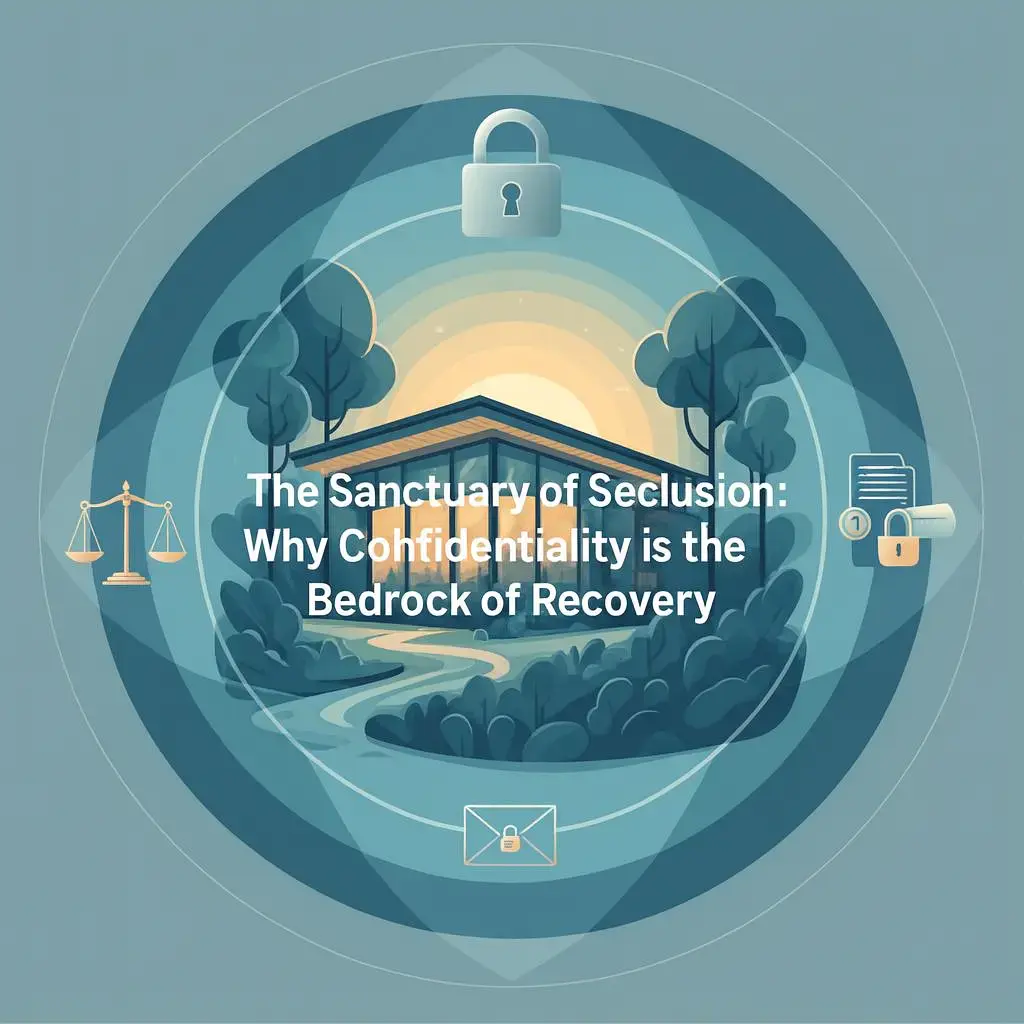
The Sanctuary of Seclusion: Why Confidentiality is the Bedrock of Recovery
If stigma is the poison, privacy is the antidote. The fears of professional ruin and personal shame can only be overcome in an environment of absolute confidentiality. This is not a luxury; it is a clinical necessity for effective treatment.
Privacy as the Antidote to Stigma
Recovery demands immense vulnerability. It requires a person to be completely honest about their deepest struggles, fears, and traumas. This level of openness is impossible without a profound sense of “emotional safety”—the assurance that what is shared will be held in the strictest confidence. Privacy creates the protected space needed to “heal what you won’t reveal,” allowing individuals to engage fully in the therapeutic process without fear of exposure or judgment.
The Legal Shield of Confidentiality
This promise of privacy is not merely a policy; it is enshrined in law. In the United States, two key federal regulations create a powerful legal shield around those in treatment.
- HIPAA (Health Insurance Portability and Accountability Act): This foundational law makes it illegal for any healthcare provider, including rehabilitation centers, to share a patient’s protected health information (PHI) without their explicit consent.
- 42 CFR Part 2: This is an even stricter federal law that applies specifically to substance abuse treatment records. It is so rigorous that, generally, a treatment facility cannot even acknowledge that a person is a patient there without specific, written permission from that individual.
These legal frameworks are more than just bureaucratic rules; they are therapeutic tools. By providing an external, legally binding guarantee of secrecy, they help counteract the internal fear of judgment. This legal assurance helps build the trust and emotional safety necessary for a patient to be vulnerable, making the law itself an active ingredient in the healing process.
Confidentiality in Practice
Elite, private treatment centers operationalize this commitment to confidentiality through a variety of measures. They often choose secluded, discreet locations, employ staff who are rigorously trained in privacy protocols, and utilize comprehensive confidentiality agreements and secure communication channels. Furthermore, facilities that maintain a small, exclusive client base with a high staff-to-patient ratio inherently minimize the risk of the accidental privacy breaches that can occur in larger, more crowded institutions. The features often associated with “luxury” treatment—exclusivity, seclusion, and personalized attention—are not merely for comfort; they are practical mechanisms for delivering a superior standard of privacy that directly enhances therapeutic outcomes.
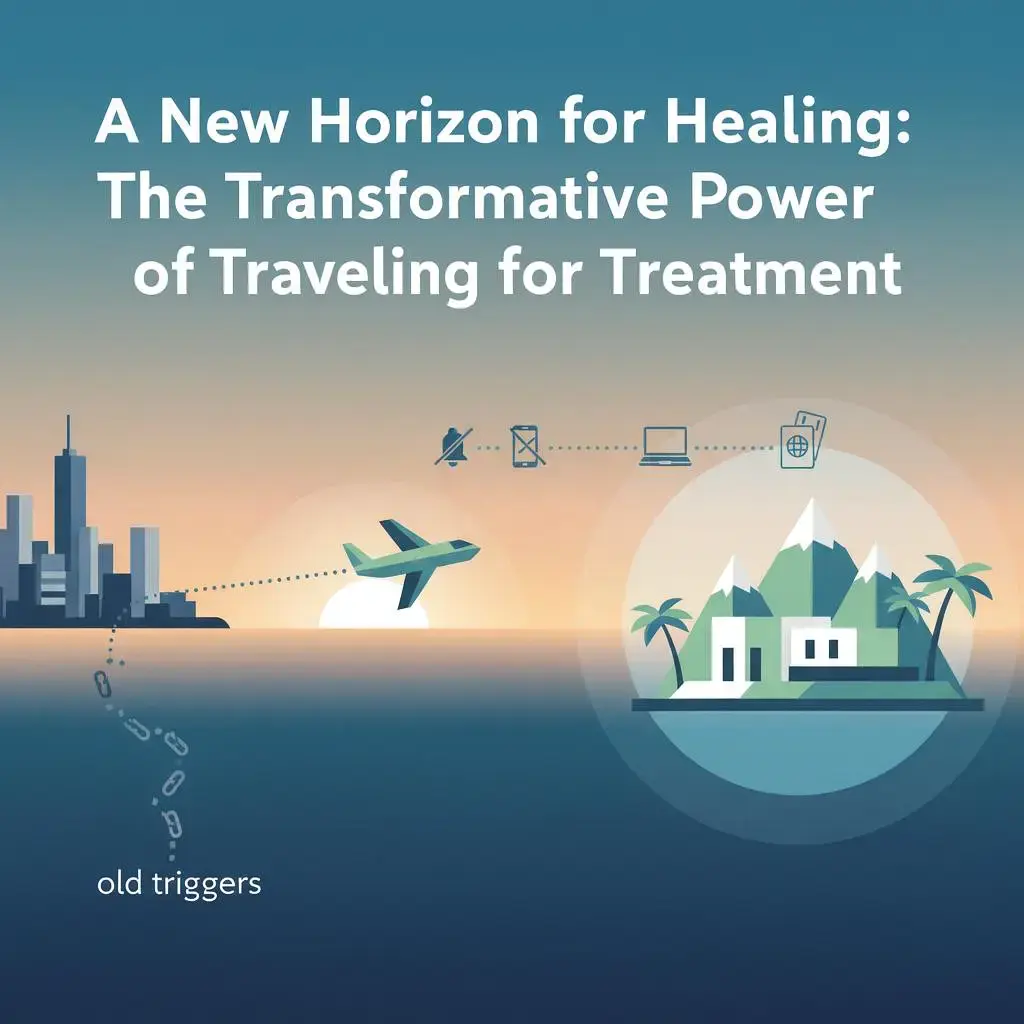
A New Horizon for Healing: The Transformative Power of Traveling for Treatment
While legal protections are crucial, the most effective way to ensure privacy and create the ideal conditions for recovery is often to change one’s environment entirely. Traveling for treatment, particularly abroad, offers a unique set of transformative benefits.
The Geographic Solution: A Clean Break
Traveling provides a complete physical and psychological separation from the people, places, routines, and stressors that fueled the addiction. This distance is not about running away from problems but about creating the space to confront them effectively. It allows for a genuine “fresh start,” providing the opportunity to form a new, sober identity away from the triggers and expectations of one’s daily life.
The Power of Undisturbed Focus
Being far from home eliminates the constant pull of work emails, family responsibilities, and social obligations. This allows an individual to dedicate 100% of their mental and emotional energy to the intensive work of recovery. In this focused environment, the therapeutic process can be more efficient and profound. The very act of planning and undertaking a journey for recovery reframes the experience. It is no longer a passive event happening to someone, but an active, courageous quest they have embarked upon for their own rescue, which can be incredibly empowering.
Guaranteed Anonymity and Reduced Impulsivity
Traveling abroad provides an unparalleled layer of natural anonymity. It virtually eliminates the chance of running into a neighbor, colleague, or acquaintance, a common anxiety for those considering local treatment. This complete anonymity fosters a greater sense of freedom in therapy. Furthermore, the physical distance serves as a practical barrier to impulsivity. When therapy becomes difficult—as it inevitably does—the temptation to give up and go home is significantly reduced when home is a plane ride away. This encourages a deeper level of commitment to seeing the process through.
This separation also provides a crucial “geographic cure” for codependency. Well-meaning family and friends can sometimes inadvertently enable destructive behaviors. Distance creates a necessary boundary, protecting the individual in treatment from these dynamics and giving the family system a chance to begin its own healing and learn healthier ways of offering support.
Access to Specialized and Higher-Quality Care
Broadening the search for treatment globally opens up a world of specialized options that may not be available locally. This includes centers that offer unique therapeutic modalities, such as holistic Eastern traditions or adventure therapy, and those with expertise in treating co-occurring mental health conditions. International centers are often able to provide world-class care with better staff-to-client ratios at a more affordable price point than many domestic options.
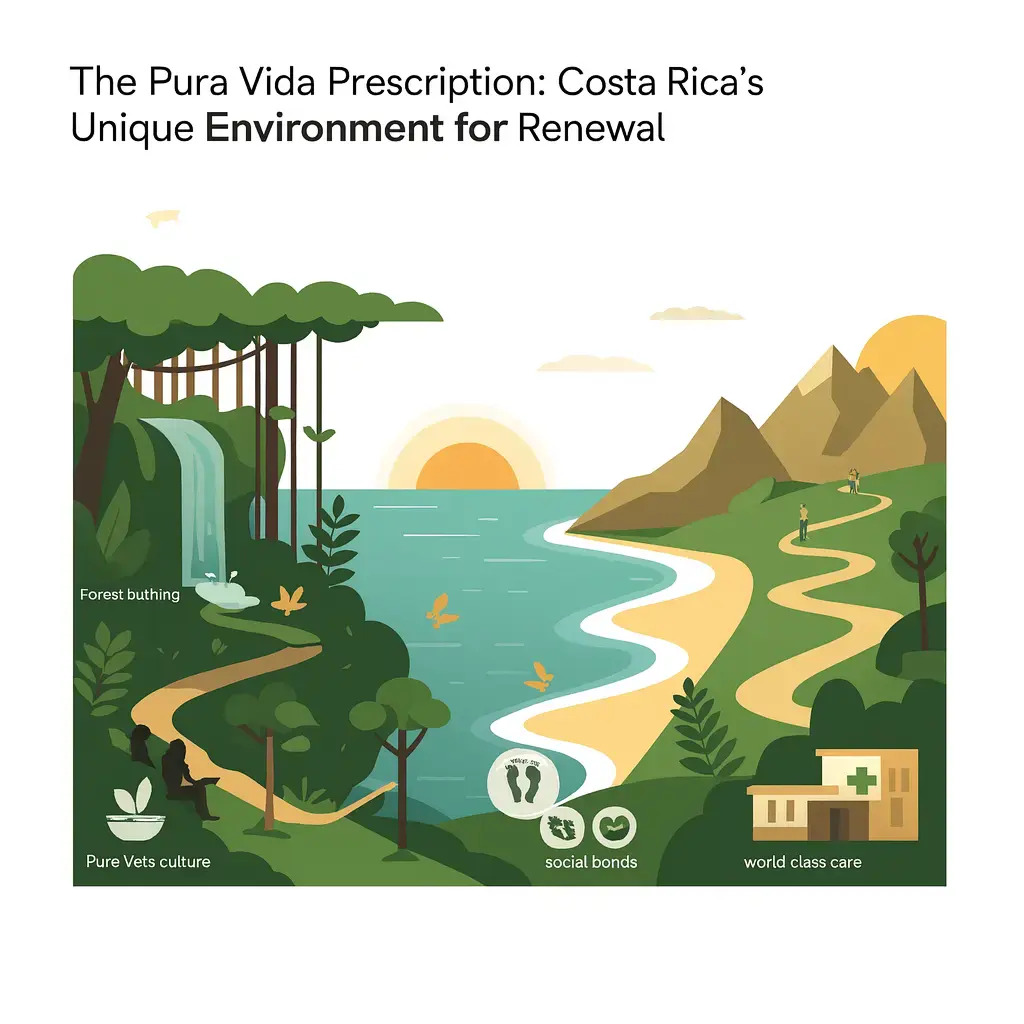
The Pura Vida Prescription: Costa Rica’s Unique Environment for Renewal
When considering treatment abroad, few destinations offer a more compelling and holistic environment for healing than Costa Rica. It is not merely a location but an active partner in the recovery process, a world-renowned wellness destination built on a foundation of medical excellence. The nation’s healthcare system is consistently ranked among the best in Latin America and is globally competitive, often outranking the system in the United States, ensuring that traveling for care does not mean sacrificing quality.
Nature as a Co-Therapist (Ecotherapy)
The healing power of Costa Rica‘s environment is rooted in the science of ecotherapy—the practice of using nature to improve mental and physical well-being. Time spent in nature is scientifically proven to reduce levels of the stress hormone cortisol, boost production of the mood-regulating neurotransmitter serotonin, and increase mindfulness.
Costa Rica is a hyper-biodiverse nation, home to an astonishing array of flora and fauna. This is more than just a scenic backdrop; research shows that environments with greater biodiversity have a stronger and more lasting positive impact on mental health. In practice, this means that therapeutic activities like forest bathing (
shinrin-yoku) in a vibrant rainforest, meditative walks on a pristine beach, or adventure therapy expeditions become powerful tools for managing cravings and building resilience against relapse. In Costa Rica, the environment is not an amenity; it is a clinical modality that operates 24/7, amplifying the effects of formal therapy.
The Cultural Embrace of ‘Pura Vida’
The national philosophy of Pura Vida, or “Pure Life,” is an ambient, cultural therapy that permeates every aspect of daily existence. It is a mindset that champions simplicity over stress, gratitude in the face of challenges, and deep community connection. For someone in recovery, this cultural immersion is transformative. The slower pace of life directly counters the impulsivity of addiction, the focus on community provides a powerful antidote to isolation, and the ingrained attitude of gratitude helps build the emotional resilience essential for long-term sobriety.
The “Blue Zone” Blueprint for Physical Recovery
Adding to its unique therapeutic landscape, Costa Rica’s Nicoya Peninsula is one of only five “Blue Zones” in the world—regions where people live significantly longer, healthier lives. The Blue Zone lifestyle, with its emphasis on a nutrient-dense, plant-forward diet, constant natural movement, and strong social bonds, provides the perfect blueprint for physically healing the body from the damage caused by substance abuse. Choosing to recover in this environment is a strategic decision to place oneself in a setting optimized to accelerate physical and neurological healing, essentially “bio-hacking” the path to recovery.
| Environmental Asset | Primary Mechanism | Impact on Recovery |
| Pura Vida Culture | Fosters social connection, gratitude, and a slower pace | Reduces social anxiety, develops healthy coping skills, builds emotional resilience. |
| Hyper-Biodiverse Nature | Attention Restoration Theory; Stress reduction (lower cortisol) | Improves focus for therapy, reduces cravings, enhances mood. |
| “Blue Zone” Lifestyle | Nutrient-dense diet; Active living; Strong community | Accelerates physical healing, increases energy, fosters a sense of belonging. |
| Year-Round Sunlight | Vitamin D & Serotonin Production | Provides a natural antidepressant effect, improves sleep and mood regulation. |
Designing Your Recovery Journey: Finding a True Partner in Healing
Choosing a treatment center is one of the most important decisions on the path to recovery. An elite international center doesn’t just treat an addiction; it facilitates a complete life transformation.
The Hallmarks of an Elite International Center
When exploring options, look for a center that embodies a few key principles:
- A Holistic, Evidence-Based Philosophy: The program should treat the whole person—mind, body, and spirit—by integrating proven clinical therapies like Cognitive Behavioral Therapy (CBT) with holistic practices such as yoga, meditation, and nutritional healing.
- Integration with Nature: A premier center doesn’t just exist in a beautiful location; it actively incorporates the healing power of the environment into its therapeutic model through ecotherapy, adventure outings, and nature immersion.
- Personalized Care: A high staff-to-patient ratio is critical. It ensures that treatment plans are truly individualized and that each person receives the dedicated attention they need to succeed.
- An Unwavering Commitment to Privacy: The center must demonstrate a clear and robust commitment to confidentiality in every aspect of its operations, from the initial phone call to aftercare planning.
Centers founded on these principles, such as Costa Rica Treatment Center, understand that true recovery requires a sanctuary where clinical excellence meets the healing power of nature. Testimonials from past clients often speak to this unique synergy, highlighting the compassionate staff, the effectiveness of the holistic approach, and the profound sense of safety and security that comes from healing in such a nurturing environment.
The Path to a New Beginning is a Private One
The desire for privacy in recovery is not a sign of shame or weakness. It is a sign of wisdom, self-respect, and a deep understanding of what is required to truly heal. Choosing to travel for confidential treatment is a powerful, strategic decision—an investment in a future free from the shadows of stigma and the triggers of the past.
Your journey to a new beginning deserves to be protected. When you are ready, we invite you to confidentially explore how a sanctuary for healing can help you reclaim your life. All calls and conversations are, and always will be, completely confidential.