If you are reading this, you are likely weighing one of the most important decisions of your life, or the life of someone you love. Amid the emotional turmoil and uncertainty that accompany the search for addiction treatment, a pressing and practical question often rises to the surface: How can I afford this? It is a valid, common concern, and for many, it can feel like the single greatest barrier to getting help. The goal of this guide is not to dismiss this question, but to explore it with honesty, clarity, and a new perspective. The conversation about addiction treatment…
If you are reading this, you are likely weighing one of the most important decisions of your life, or the life of someone you love. Amid the emotional turmoil and uncertainty that accompany the search for addiction treatment, a pressing and practical question often rises to the surface: How can I afford this? It is a valid, common concern, and for many, it can feel like the single greatest barrier to getting help.
The goal of this guide is not to dismiss this question, but to explore it with honesty, clarity, and a new perspective. The conversation about addiction treatment must shift from viewing it as a short-term, prohibitive expense to understanding it as a long-term, life-affirming investment. While professional rehabilitation has a clear price tag, untreated addiction carries a hidden cost that compounds daily, impacting your finances, health, career, and relationships in ways that are far more devastating and expensive over a lifetime.
This article will serve as your comprehensive roadmap. First, we will provide a transparent breakdown of the factors that determine the cost of rehab. Second, we will draw a stark comparison between that one-time investment and the endless, escalating costs of active addiction. Third, we will explore the incredible returns—both tangible and intangible—that recovery yields. Finally, we will outline the practical financial pathways that make this life-saving investment attainable.
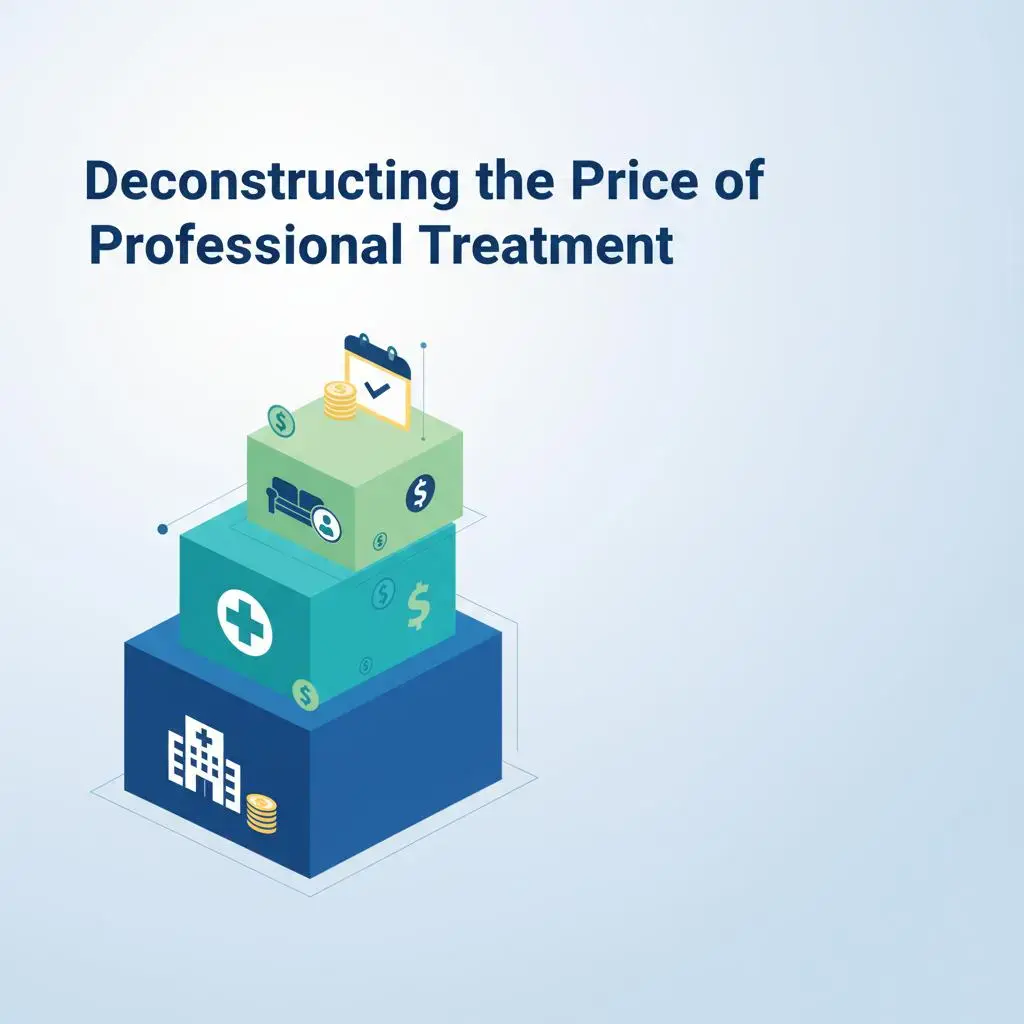
Deconstructing the Price of Professional Treatment
There is no single, fixed price for addiction rehabilitation, because effective treatment is not a one-size-fits-all product. The cost of a program is a direct reflection of a highly personalized plan of care, meticulously designed to address an individual’s unique medical history, psychological needs, and substance use patterns. Understanding the components that make up this cost is the first step toward demystifying the price and finding the right fit for your needs and budget.
Levels of Care: Finding the Right Intensity for Your Needs
The most significant factor influencing cost is the level of care, or the intensity of the treatment environment.
- Medical Detox: For many, this is the critical first step. Medical detoxification is the process of safely managing the physical symptoms of withdrawal under 24/7 medical supervision. The cost varies depending on the substance used and the severity of the withdrawal symptoms, as some substances require more intensive monitoring and medication. Outpatient detox can range from $1,000 to $1,500 for a complete program, while daily costs for more supervised detox can fall between $300 and $800.
- Inpatient/Residential Treatment: This is the most intensive and immersive level of care, where clients live on-site at the treatment facility. The higher cost is because the price includes not only a full schedule of therapeutic services but also housing, meals, 24-hour medical and clinical support, and a highly structured, trigger-free environment. A standard 30-day inpatient program can range from $6,000 to $20,000, while more comprehensive or longer-term programs can cost $60,000 or more.
- Outpatient Programs (OP) and Intensive Outpatient Programs (IOP): These are more flexible and affordable options that allow clients to live at home and continue with work or school responsibilities while attending treatment sessions several times a week. A standard three-month outpatient program might cost around $5,000, while a more demanding Intensive Outpatient Program (IOP) could range from $3,500 to $11,000.
- Partial Hospitalization Programs (PHP): Often considered a step-down from inpatient care, a PHP offers a highly structured treatment schedule during the day (often five days a week for several hours a day) while allowing the client to return home or to a sober living environment at night. The cost for a PHP can range from $7,000 to $20,000 for a full program, or be billed at a daily rate of around $350 to $450.
This wide spectrum of pricing is not arbitrary; it reflects a diverse healthcare landscape designed to meet people exactly where they are. The existence of multiple levels of care means that the first question is not “Can I afford rehab?” but rather, “What level of care do I need, and what are the options in that category?”
Program Duration: The Role of Time in Building a Foundation
The length of a treatment program is directly correlated with its total cost. While a longer stay means a larger initial investment, extensive evidence shows that it often leads to more sustainable long-term recovery, particularly for individuals with severe or long-standing substance use disorders.
Common program lengths are 30, 60, and 90 days. The costs scale accordingly; for instance, if a 30-day program costs $20,000, a 90-day program at the same facility could be in the range of $60,000. This extended time is not simply about prolonged abstinence; it is a crucial period for individuals to deeply engage in therapy, develop and practice new coping skills, address underlying trauma, and fundamentally ingrain the healthy habits and routines necessary to navigate life without substances.
Treatment Philosophy and Specialized Services
The depth and breadth of the therapeutic services offered are also key cost drivers. Effective treatment goes far beyond simply stopping substance use; it addresses the root causes of the addiction.
- Evidence-Based Therapies: The core of any quality program includes proven therapeutic modalities like Cognitive Behavioral Therapy (CBT), Dialectical Behavior Therapy (DBT), and extensive individual and group counseling sessions.
- Dual-Diagnosis Care: Many individuals struggling with addiction also have co-occurring mental health conditions such as depression, anxiety, or PTSD. Treating both simultaneously is critical for lasting recovery. This requires specialized, integrated care from psychiatrists and therapists trained in both fields, which can increase the program’s cost. A 30-day program with dual-diagnosis care can range from $7,000 to $30,000.
- Medication-Assisted Treatment (MAT): For some substance use disorders, particularly those involving opioids or alcohol, medications can be used to manage cravings and reduce the risk of relapse. These medications represent an additional cost factor; for example, a year of methadone maintenance treatment can cost approximately $4,700.
Facility and Location: How Environment Shapes Cost and Experience
Finally, the physical environment and geographic location of a center play a significant role in its price.
- Standard vs. Luxury: It is vital to distinguish between these two categories. Standard facilities focus their budget on providing essential, high-quality clinical care in a safe and functional setting. Luxury facilities, by contrast, add a layer of high-end amenities, which can include private rooms, gourmet meals prepared by chefs, swimming pools, spas, and holistic therapies like equine therapy or acupuncture. These amenities are the primary reason costs can soar to $80,000-$100,000 or more per month. A higher price for luxury does not automatically equate to better core therapy; the quality of the clinical staff and the evidence-based nature of the program remain the most important factors for successful outcomes.
- Geographic Location: The cost of living directly impacts a rehab center’s operational expenses. A facility located in a major urban center in a state like California will inherently have higher costs for staffing, maintenance, and property than a center in a more rural area. This same economic principle opens up a powerful and strategic option for those seeking high-quality care at a more manageable price point.
- The International Advantage: The concept of “medical tourism” has expanded to include addiction treatment, offering a solution to soaring domestic costs. Seeking treatment in a country like Costa Rica, known for its excellent healthcare system and serene natural environment, can provide access to world-class, even premium, care at a cost that is often comparable to or even less than a standard facility in the United States. This is possible due to lower overhead and operational costs, allowing centers to invest heavily in clinical excellence and a high staff-to-patient ratio without passing on an exorbitant price tag to the client.
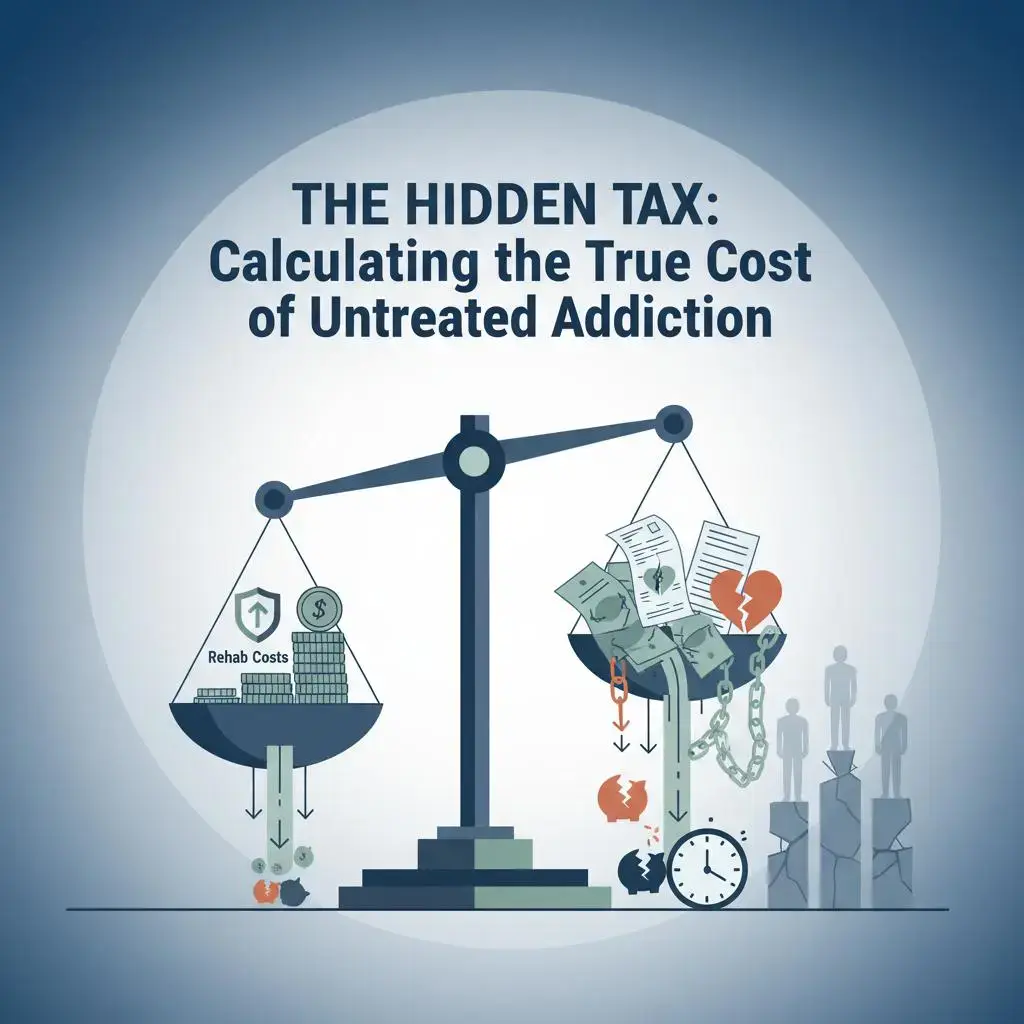
The Hidden Tax: Calculating the True Cost of Untreated Addiction
While the price of rehab is a finite, one-time figure, the cost of untreated addiction is an ongoing, unpredictable, and ever-escalating debt. It functions like a predatory loan taken out against your future, with compounding negative interest that touches every area of your life. To make an informed decision, one must place the cost of treatment on one side of the scale and the true, comprehensive cost of addiction on the other.
The Direct Financial Drain
The most immediate cost is the money spent directly on substances. This figure, often minimized or ignored, can be staggering when calculated over time. An individual with a consistent 12-pack-a-day alcohol habit spends over $3,000 a year on beer alone. For illicit substances, the cost is far higher. With a gram of cocaine averaging $93 and heroin at $152, a daily habit can quickly drain thousands of dollars a month. Studies show that the annual cost for an individual with an opioid addiction can be around $15,000. This relentless financial bleed forces individuals to drain savings, liquidate retirement accounts, sell assets, and borrow from concerned family members, often leading to a deep cycle of debt.
This is frequently compounded by legal consequences. A single DUI can result in thousands of dollars in fines, legal representation, court fees, and mandated programs. Further legal troubles related to substance use add costs for bail, probation monitoring, and other penalties, creating a cascade of financial crises.
The Compounding Cost to Health
Active addiction is a progressive disease that takes a severe toll on the body. The long-term health consequences—such as liver disease, cardiovascular damage, respiratory issues, infectious diseases, and an increased risk of cancer—are not just physically devastating; they are financially ruinous. The costs accumulate through repeated emergency room visits, ambulance fees, hospitalizations, specialist appointments, and a lifetime of managing chronic conditions. On a societal level, the annual medical cost associated with substance use disorder in U.S. hospitals alone exceeds $13 billion.
The Professional and Economic Fallout
Addiction systematically dismantles a person’s career and earning potential. The effects of substance use lead to poor performance, chronic absenteeism, and an increased risk of workplace accidents, frequently resulting in job loss. This creates an immediate income crisis and inflicts long-term damage on one’s financial future. The U.S. economy loses over $120 billion each year in productivity due to substance abuse. For an individual, a history of addiction and potential incarceration can reduce lifetime earning potential by as much as 10 to 40 percent. This leads to a destructive cycle of financial instability, marked by destroyed credit scores, bankruptcy, and even home foreclosure.
The Unquantifiable Price
Beyond the numbers lies a cost that cannot be entered into a spreadsheet: the erosion of human connection and personal well-being. Addiction damages and destroys the most important relationships in a person’s life, replacing trust with suspicion and love with fear and resentment. It places an immense emotional and financial burden on families, who often find themselves paying bills, legal fees, or even for the substances themselves in a desperate attempt to manage the crisis. The individual at the center of it experiences a profound loss of self-esteem, purpose, and joy, as life narrows to a singular focus on the next use. This is the highest cost of all.
The financial burden of addiction is never confined to one person. It radiates outward, first depleting the family’s emotional and financial resources, and then placing a measurable strain on public systems. Seeking treatment is therefore not just an act of self-preservation; it is an act that relieves a heavy burden on one’s family and the entire community.
| An Investment in Recovery vs. The Expense of Addiction |
| Area of Life |
| Finances |
| Health |
| Career |
| Relationships |
| Freedom & Peace of Mind |
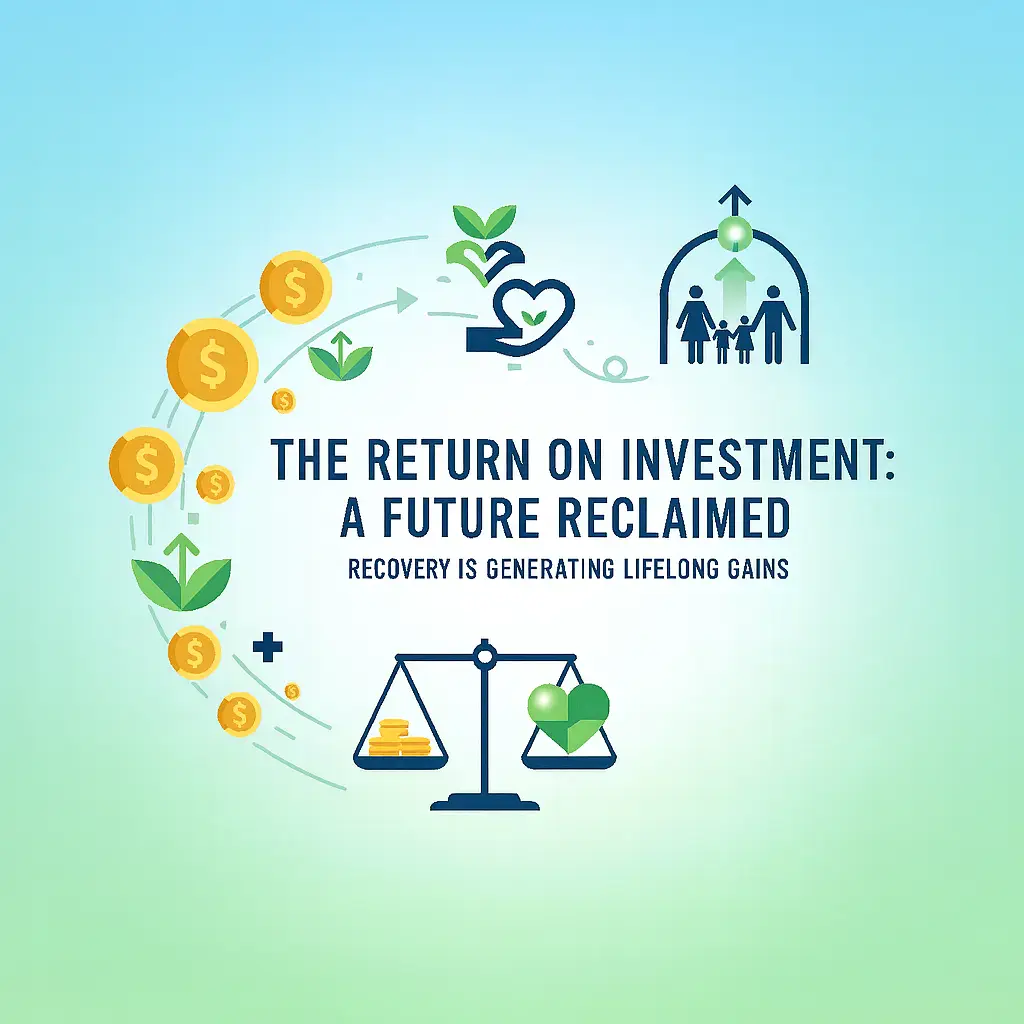
The Return on Investment: A Future Reclaimed
Viewing treatment through the lens of investment naturally leads to the next question: What is the return? The answer is profound. Recovery does not simply stop the financial and personal losses; it generates real, measurable value that compounds positively over a lifetime.
The Proven Economic Benefit
The economic case for addiction treatment is overwhelmingly positive. Numerous studies have demonstrated a significant societal return on investment. Research consistently shows that every dollar invested in substance abuse treatment programs yields substantial savings in other areas. The most cited figures suggest that every $1 spent on treatment saves $4 in healthcare costs and $7 in law enforcement and criminal justice costs. Some analyses of specific recovery programs have found benefit-to-cost ratios as high as 22-to-1.
These savings are driven primarily by two factors: a dramatic reduction in crime associated with substance use and a decreased reliance on expensive emergency medical care. One study found that for individuals who received treatment, the likelihood of being arrested decreased by 16 percent and the likelihood of felony convictions dropped by 34 percent, generating significant savings for the state.
The Dividends of Health and Well-being
The most immediate return is the restoration of health. Sobriety allows the body to begin healing, leading to improved sleep, increased energy, and a reduced risk of developing costly chronic diseases. Mental and emotional health also improve dramatically. Treatment provides the tools to manage co-occurring disorders like anxiety and depression and equips individuals with healthy coping mechanisms, stress management techniques, and emotional regulation skills. This newfound resilience is essential for navigating life’s challenges without returning to substance use. This positive momentum creates a virtuous cycle: a day of sobriety leads to clearer thinking, which improves self-esteem, which strengthens the resolve for another day of sobriety. The initial investment in rehab kick-starts a process that continues to pay dividends for the rest of one’s life.
Rebuilding Financial Security and Human Capital
Recovery is an active process of rebuilding what addiction has taken away, including financial stability. Sobriety allows individuals to secure and maintain stable employment, perform effectively at work, and begin to repair their financial health. Treatment is not a pause from life; it is an intensive period of building human capital. The communication, problem-solving, and decision-making skills learned in therapy are invaluable assets in the workplace and contribute to a renewed and positive career trajectory. A person in recovery is no longer a drain on personal and public resources; they become a productive, contributing member of their family and community once again.
Restoring What Matters Most
Perhaps the most priceless return on the investment in recovery is the restoration of relationships. Addiction erodes the foundations of trust and love, but recovery creates the opportunity to rebuild them. Long-term treatment programs provide the time, space, and therapeutic guidance—often including family therapy—necessary to mend broken bonds and foster healthy, honest communication. This is a return that transcends any financial calculation.
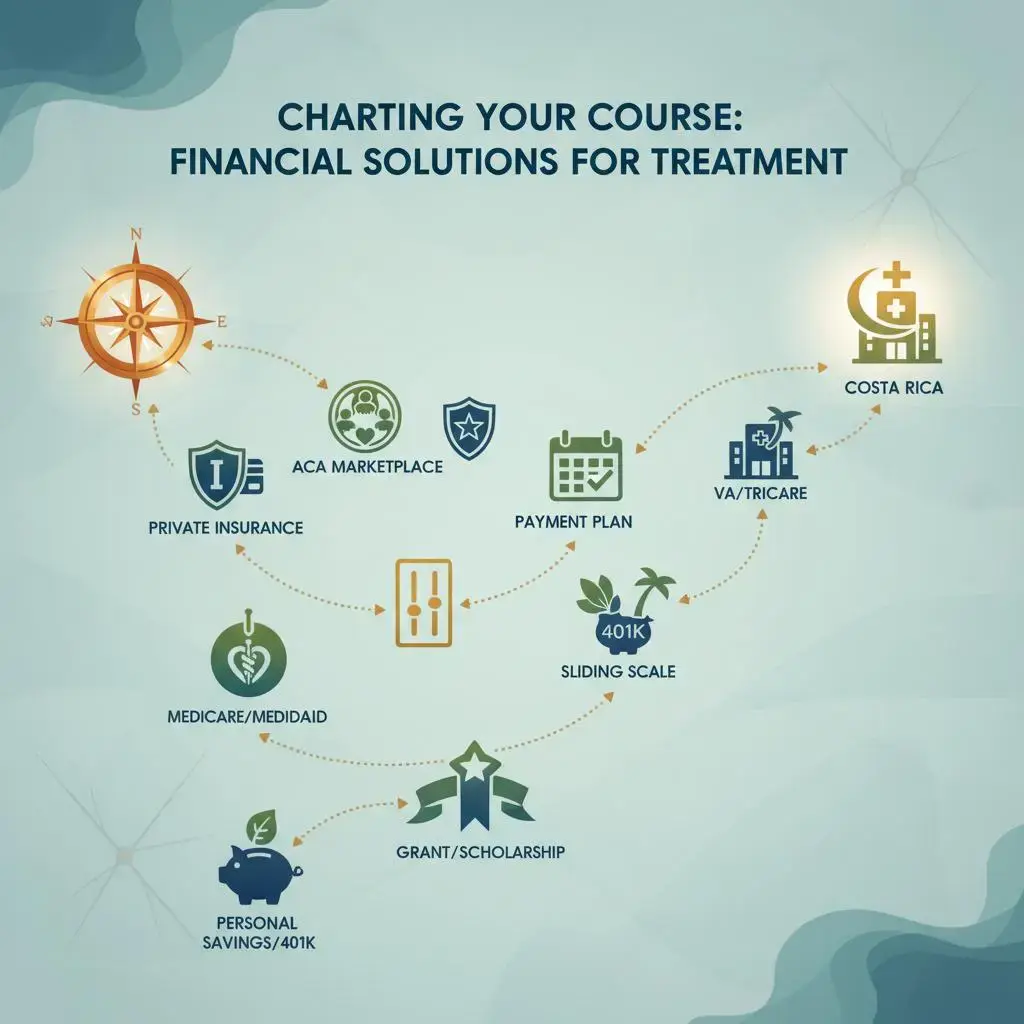
Charting Your Course: Financial Solutions for Treatment
Understanding the immense value of recovery is empowering, but the practical question of how to pay for the initial investment remains. Fortunately, the landscape of healthcare has evolved, and there are more pathways to funding treatment than ever before. A successful financial plan often involves a “mosaic” approach, combining several resources to make treatment possible.
Leveraging Insurance Coverage
- Private Insurance: Thanks to legislation like the Affordable Care Act (ACA), most private health insurance plans are required to provide coverage for substance abuse treatment as an essential health benefit. The amount of coverage for services like detox, inpatient care, and outpatient therapy will vary depending on the specific plan. The best first step is to call the number on the back of your insurance card or ask the admissions team at a potential treatment center to verify your benefits on your behalf.
- Affordable Care Act (ACA) Marketplace: Plans purchased through the ACA marketplace must cover addiction treatment. Under the ACA, addiction can no longer be treated as a pre-existing condition for which coverage can be denied. These plans are often available with income-based subsidies, making them an affordable option for many.
- Medicare and Medicaid: These government-funded programs provide coverage for addiction treatment for eligible individuals, including older adults, people with certain disabilities, and those with low incomes.
- Military Insurance (VA & TRICARE): Veterans and active-duty military personnel can access addiction treatment services through VA benefits and TRICARE. These programs often have specialized tracks designed to address the unique challenges faced by service members.
Exploring Avenues Beyond Insurance
If insurance coverage is limited or unavailable, there are still numerous ways to fund this life-changing investment.
- Financing and Payment Plans: Many treatment centers understand the financial burden on families and offer in-house payment plans or partner with specialized healthcare lenders. This allows the cost of treatment to be spread out over time in manageable monthly installments.
- Sliding Scale Fees: Some non-profit or state-funded facilities offer a sliding fee scale, where the cost of treatment is adjusted based on an individual’s income and ability to pay.
- Grants and Scholarships: Organizations like the Substance Abuse and Mental Health Services Administration (SAMHSA) provide grants to treatment centers to help cover the cost for individuals who cannot afford care.
- Personal Resources: While it can be difficult, utilizing personal assets is a direct investment in one’s future. This can include using funds from savings, taking a loan from a 401(k) or IRA, securing a home equity loan, or asking for financial support from family members. Crowdfunding platforms have also become a popular way for communities to rally support for a loved one’s treatment.
A World of Opportunity: The Strategic Value of Seeking Treatment Abroad
The rise of high domestic healthcare costs has created a powerful, market-driven solution: international medical tourism. Choosing a treatment center in a destination like Costa Rica is not an “alternative” choice; it is a savvy, strategic decision to receive the best possible value for your investment in recovery. Traveling for treatment offers a unique combination of benefits:
- Privacy and a Fresh Start: Leaving your home environment provides a level of confidentiality that can be difficult to achieve locally. It removes you from the fear of stigma or gossip and allows you to focus entirely on your healing without external pressures or judgment.
- A Clean Break from Triggers: One of the most powerful advantages is creating physical distance from the people, places, and daily stressors that trigger substance use. This clean break provides a safe and neutral space to build a new foundation for sobriety.
- Exceptional Care at an Accessible Cost: This is the most compelling factor. Internationally accredited centers in Costa Rica offer a standard of care that is on par with, and often exceeds, that of many U.S. facilities. Because of the lower cost of living and operations, these centers can offer comprehensive, evidence-based programs with highly qualified, multidisciplinary teams in a beautiful, therapeutic setting for a fraction of the domestic price. For example, a 30-day residential program in Costa Rica may cost between $7,750 and $11,350—a price point that makes world-class care attainable.
Your Investment in a New Life Begins Today
When you weigh the finite, one-time investment in rehab against the infinite, compounding cost of addiction, the choice becomes clear. The cost of inaction is, and always will be, the greatest expense of all. An investment in recovery is the single most valuable financial and personal decision you can make, yielding a lifetime of returns in the form of health, stability, and reclaimed relationships.
At the Costa Rica Treatment Center, we were founded on the principle that world-class, compassionate care should be accessible. We understand the balance between the investment required for treatment and the life-altering returns of recovery. Our serene, trigger-free environment provides a natural sanctuary for healing, far removed from the stressors of daily life. We maintain a high staff-to-patient ratio, ensuring that every client receives the personalized, attentive care they deserve from our multidisciplinary team of licensed doctors, psychiatrists, psychologists, and nurses. Our holistic, evidence-based approach is designed to heal the whole person—mind, body, and spirit.
We have made it our mission to deliver this exceptional standard of care at an accessible price point, embodying the strategic value that seeking treatment abroad can offer.
The journey to a new life begins with a single step. That step doesn’t have to be a leap of faith into a financial abyss. It can be a calm, informed decision to invest in yourself. It can begin today with a simple, confidential conversation. Contact our admissions team to explore your personal path to recovery and learn how an investment in yourself can yield a lifetime of priceless returns.