TL;DR The persistent anxiety, fatigue, and cravings you feel in recovery are often driven by chronic inflammation and an imbalanced gut-the hidden physiological fallout of addiction. This guide offers a clear, science-backed nutritional blueprint to calm your system, repair your brain, and build a resilient foundation for the vibrant, sober life you deserve. By focusing on anti-inflammatory foods, you can actively dismantle a core biological driver of relapse and empower your long-term healing. Why Am I So Anxious and Tired in Sobriety? Unmasking the Role of Inflammation If you’re in recovery, you might be wondering why you still feel so…
TL;DR
The persistent anxiety, fatigue, and cravings you feel in recovery are often driven by chronic inflammation and an imbalanced gut-the hidden physiological fallout of addiction. This guide offers a clear, science-backed nutritional blueprint to calm your system, repair your brain, and build a resilient foundation for the vibrant, sober life you deserve. By focusing on anti-inflammatory foods, you can actively dismantle a core biological driver of relapse and empower your long-term healing.
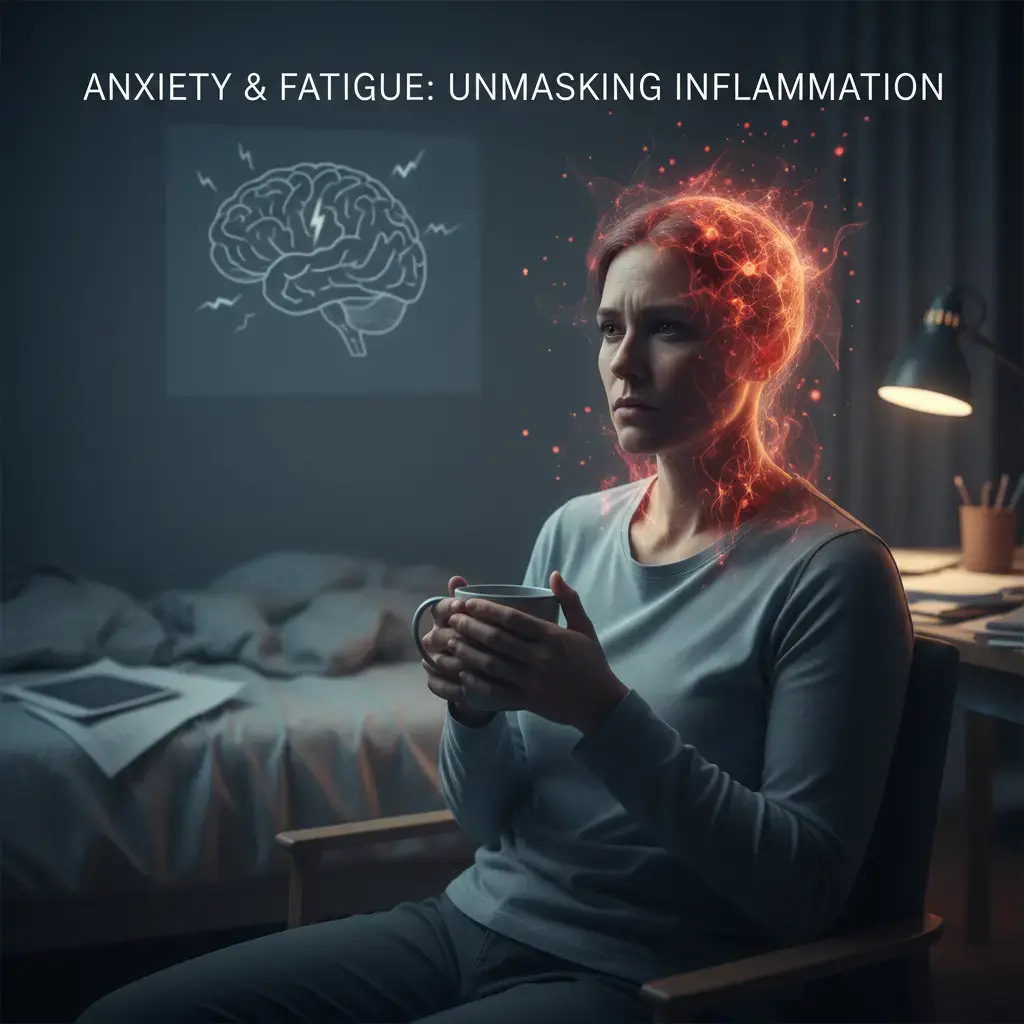
Why Am I So Anxious and Tired in Sobriety? Unmasking the Role of Inflammation
If you’re in recovery, you might be wondering why you still feel so off. Even with the substance gone, you may be wrestling with a frustrating mix of mood swings, persistent anxiety, crushing fatigue, and a mental fog that makes it hard to concentrate. It’s easy to think this is purely a psychological battle, a matter of willpower. But science tells a different, more empowering story. A huge part of what you’re feeling is physiological, and it has a name: chronic neuroinflammation.
Inflammation is your body’s natural response to injury or infection-it’s a crucial part of the healing process. When you get a cut, the area becomes red and swollen as your immune system rushes to repair the damage. The problem is, prolonged substance use puts your body, and especially your brain, into a state of constant, low-grade crisis. Your brain’s specialized immune cells, known as microglia and astrocytes, recognize substances like alcohol, opioids, and stimulants as foreign threats. In response, they launch a sustained defense, releasing a flood of pro-inflammatory molecules called cytokines, including interleukin-1β (
IL−1β), interleukin-6 (IL−6), and tumor necrosis factor-α (TNF−α).
In the short term, this is protective. But over months or years of substance use, this defense mechanism never shuts off. It becomes chronic neuroinflammation, a state where the brain is essentially simmering in its own inflammatory soup. This has devastating consequences. This constant inflammation damages neurons, disrupts the delicate communication pathways between brain cells, and throws crucial mood-regulating neurotransmitters like serotonin and dopamine out of balance. The direct results are the very symptoms that make early recovery so challenging: impaired memory, poor decision-making, and weakened impulse control-the exact skills you need to maintain your sobriety.
This isn’t just a leftover symptom of past use; it’s an active threat to your future recovery. The process creates a destructive feedback loop. Substance use triggers neuroinflammation. This inflammation, in turn, disrupts the brain’s reward system and weakens the cognitive control centers in your prefrontal cortex. An inflamed brain is more susceptible to stress, has a harder time managing cravings, and is more prone to impulsive behavior. This heightened vulnerability significantly increases the risk of relapse. If a relapse occurs, it adds more fuel to the inflammatory fire, perpetuating the cycle. Understanding this connection is incredibly empowering. It means that by taking active steps to reduce inflammation, you’re not just managing your symptoms-you are dismantling one of the core biological engines of addiction and building a powerful defense against relapse.
The anxiety and brain fog you’re feeling in sobriety aren’t just in your head; they are real physiological symptoms driven by brain inflammation, which you can begin to heal with the right foods.
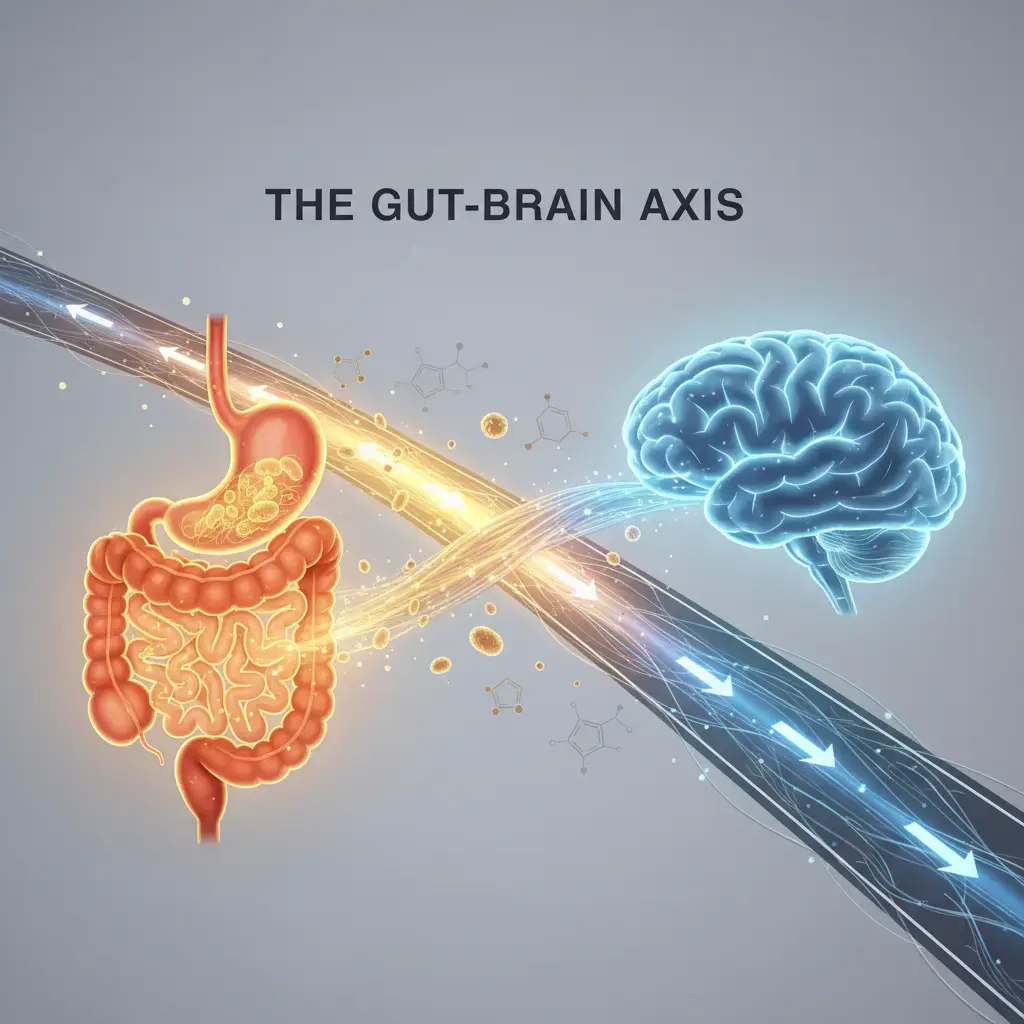
The Gut-Brain Axis: How Your “Second Brain” Dictates Your Recovery Journey
To understand how to fight brain inflammation, we first need to look at where much of it begins: your gut. You may have heard the gut referred to as the “second brain,” and for good reason. Your gut and brain are in constant communication through a complex network of nerves, hormones, and chemical messengers known as the gut-brain axis. This bidirectional highway means that a happy gut helps create a happy mind, and an unhealthy gut can directly contribute to anxiety, depression, and cravings.
Substance use is catastrophic for gut health. Alcohol, opioids, and other drugs profoundly disrupt the delicate balance of the trillions of microbes living in your digestive tract, known as the gut microbiome. This leads to a condition called dysbiosis, where harmful, pro-inflammatory bacteria begin to outnumber the beneficial, anti-inflammatory ones. Research has shown that substances like opioids, for instance, can significantly alter the composition of gut microbiota, often leading to an increase in inflammatory bacteria like
Enterococcus and a decrease in beneficial strains.
This imbalance does more than just cause digestive upset. It damages the lining of your intestines, making them more permeable. This condition, often called “leaky gut,” allows bacterial toxins and inflammatory molecules to escape from the gut and enter the bloodstream. Once in circulation, these inflammatory compounds can travel throughout the body and, critically, can cross the blood-brain barrier, directly triggering the neuroinflammation we discussed earlier.
Furthermore, your gut microbes are tiny chemical factories, responsible for producing hundreds of neurochemicals that your brain uses to regulate mood. In fact, an estimated 95% of your body’s serotonin-the key neurotransmitter for feelings of well-being and happiness-is produced in your gut. When your gut microbiome is damaged by substance use, your production of these essential “feel-good” chemicals plummets, creating a neurochemical deficit that can manifest as depression and anxiety.
This reveals a crucial truth about healing in recovery. The gut is not just another organ affected by addiction; it is the primary gatekeeper of neuroinflammation. While the brain is the site of the symptoms, the gut is often the source of the problem. You cannot effectively calm an inflamed brain without first healing the compromised gut that is continuously sending inflammatory signals up the highway. This gives you a clear and powerful place to start your healing journey: with the food you put on your plate.
Healing your gut is one of the most powerful actions you can take to calm your mind, as a healthy gut stops inflammation at its source and restores the production of mood-stabilizing brain chemicals.
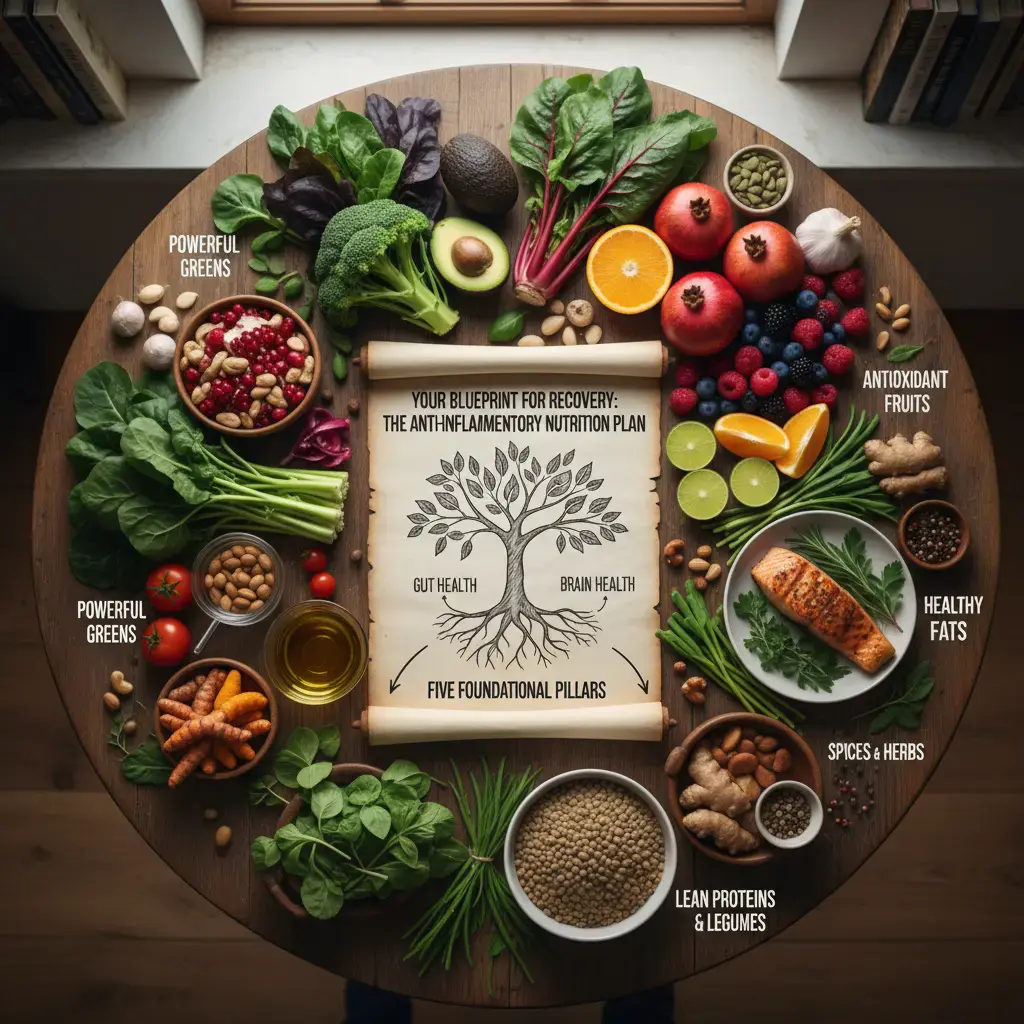
Your Blueprint for Recovery: The Anti-Inflammatory Nutrition Plan
Now that you understand the science, let’s get practical. Shifting to an anti-inflammatory diet is not about restriction or deprivation; it’s about abundance. It’s about flooding your body with the nutrients it needs to extinguish inflammation, heal your gut, and rebuild your brain. This plan is built on five foundational pillars.
The 5 Pillars of an Anti-Inflammatory Diet for Sobriety
- Fuel with Anti-Inflammatory Fats (Especially Omega-3s): Healthy fats are the cornerstone of brain health. Your brain is nearly 60% fat, and omega-3 fatty acids are the literal building blocks for healthy brain cells. They are also potent anti-inflammatory agents. The two most important types are EPA (eicosapentaenoic acid), which is crucial for reducing inflammation and supporting mood, and DHA (docosahexaenoic acid), which is a primary structural component of the brain. Research has shown that high-dose omega-3 supplementation can be particularly effective for improving depression in individuals with high levels of inflammation-a state common among those in recovery.
- Feed Your Gut Microbiome (Probiotics & Prebiotics): To heal your gut, you need a two-pronged approach. First, you need to reintroduce beneficial bacteria with probiotics. These are live microorganisms found in fermented foods. Sources include kefir, plain yogurt, kimchi, sauerkraut, and miso. Second, you need to feed these good bacteria with
prebiotics. Prebiotics are specific types of fiber that your beneficial microbes love to eat. Great sources include garlic, onions, bananas, oats, and asparagus. - Load Up on Antioxidants: Substance use creates a state of high oxidative stress in the brain, a process where unstable molecules called free radicals damage cells.
Antioxidants are powerful compounds found in colorful plant foods that neutralize these free radicals, protecting your brain cells from further damage. Think of them as your brain’s cellular repair crew. Load your plate with antioxidant-rich foods like blueberries, strawberries, spinach, kale, and other deeply colored fruits and vegetables. - Rebuild with Quality Protein: Addiction depletes your brain’s supply of neurotransmitters. Protein is made up of amino acids, which are the essential precursors your brain needs to rebuild these chemical messengers. Two amino acids are particularly important in recovery:
tyrosine, which is a building block for dopamine (essential for motivation, focus, and pleasure), and tryptophan, which is needed to produce serotonin (for mood, calm, and sleep). Focus on lean protein sources like fish, chicken, turkey, eggs, beans, and lentils. - Stabilize with Complex Carbs & Fiber: It’s crucial to differentiate complex carbohydrates from the refined, sugary kind. Complex carbohydrates, found in foods like sweet potatoes, quinoa, brown rice, and whole-grain oats, are packed with fiber. This fiber slows down digestion, providing a steady supply of glucose to your brain and preventing the sharp blood sugar spikes and crashes that can mimic and trigger intense cravings. This fiber also serves as a primary prebiotic food source for your healthy gut bacteria, making it a win-win for both brain stability and gut health.
Foods to Reduce or Avoid
Just as important as adding healing foods is reducing the ones that fuel the inflammatory fire. The primary culprits are:
- Added Sugars and Refined Carbohydrates: Foods like candy, soda, pastries, white bread, and white pasta cause rapid spikes in blood sugar and are highly inflammatory.
- Processed Meats: Items like bacon, sausage, and deli meats are often high in preservatives and unhealthy fats that promote inflammation.
- Unhealthy Fats: Trans fats (found in many fried and packaged foods) and an overabundance of refined seed oils (like soybean, corn, and sunflower oil) can disrupt the balance of fatty acids in your body and promote inflammation.
To make this simple and actionable, here is a grocery list you can use as your guide.
| Food Category | Examples | Why It Helps in Recovery |
| Omega-3 Powerhouses | Salmon, mackerel, sardines, chia seeds, walnuts, flaxseeds |
Reduces neuroinflammation, builds healthy brain cells, supports mood stability. |
| Probiotic Gut Healers | Plain yogurt, kefir, sauerkraut, kimchi, miso, tempeh |
Repopulates the gut with beneficial bacteria, heals “leaky gut,” boosts serotonin production. |
| Prebiotic Fiber | Garlic, onions, bananas, oats, asparagus, artichokes |
Feeds healthy gut bacteria, promotes a balanced microbiome, stabilizes blood sugar. |
| Antioxidant-Rich Produce | Blueberries, strawberries, spinach, kale, broccoli, sweet potatoes |
Fights oxidative stress, protects brain cells from damage, reduces systemic inflammation. |
| Neurotransmitter-Building Proteins | Chicken, turkey, eggs, lentils, chickpeas, tofu, pumpkin seeds |
Provides amino acids (tyrosine, tryptophan) needed to rebuild dopamine and serotonin. |
| GABA-Boosting Foods | Spinach, broccoli, sweet potatoes, kimchi, nuts, brown rice |
Supports the production of GABA, the brain’s primary calming neurotransmitter, to reduce anxiety. |
By systematically adding these healing foods to your diet while reducing inflammatory ones, you are giving your body and brain the exact tools they need to repair, rebalance, and build resilience.
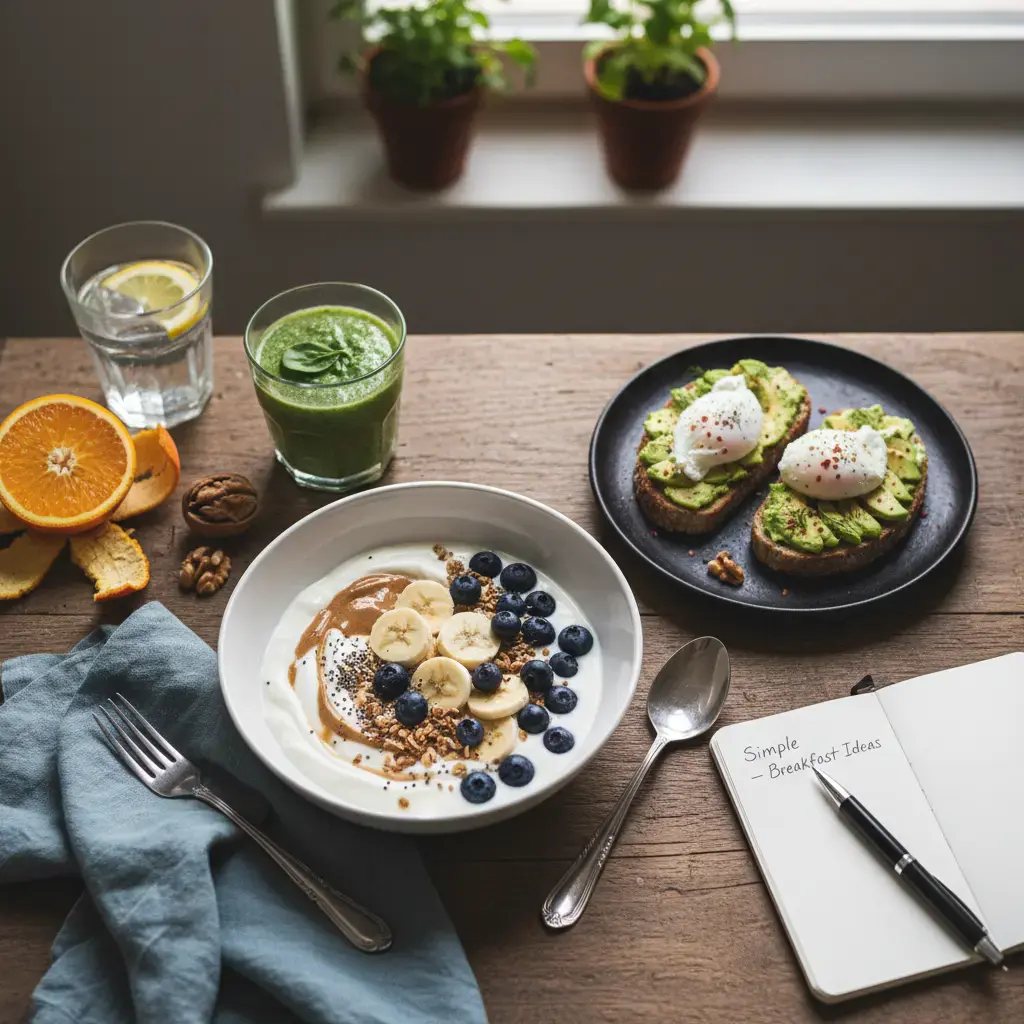
Making It Real: Simple, Nourishing Meals for a Calmer Mind
Knowing what to eat is one thing; actually preparing it when you’re feeling tired and unmotivated is another. The key to success in early recovery is to keep it simple. Focus on easy-to-assemble meals and repeatable templates rather than complex recipes.
Energizing Breakfasts to Stabilize Your Mood
Starting your day with a meal balanced in protein, healthy fat, and fiber is non-negotiable for preventing mood swings and cravings.
- Overnight Oats: This is the ultimate prep-ahead breakfast. In a jar, combine 1/2 cup rolled oats, 1/2 cup almond milk, 1 tablespoon of chia seeds, and a scoop of Greek yogurt. Shake and refrigerate overnight. In the morning, top with berries and walnuts.
- The Master Smoothie: Smoothies are a fantastic way to pack in nutrients. Blend 1 cup of a liquid base (almond milk, water), 1 scoop of protein powder or 1/2 cup Greek yogurt, 1 tablespoon of healthy fat (almond butter, flax seeds), a large handful of spinach (you won’t taste it), and 1/2 cup of frozen berries.
- Veggie Scramble: Quickly sauté some spinach and mushrooms in a pan, then add two whisked eggs. Serve with a slice of whole-grain toast topped with avocado for a meal that will keep you full and focused for hours.
Simple Lunches to Prevent the Afternoon Crash
Avoid the temptation of quick, refined carbs that will lead to an energy slump.
- Power Bowls: These are endlessly customizable. Start with a base of a complex carb like quinoa or brown rice. Top it with a lean protein (canned tuna, leftover chicken, chickpeas), as many non-starchy vegetables as you like (cucumber, bell peppers, greens), and a simple dressing of olive oil and lemon juice.
- Embrace Leftovers: Don’t underestimate the power of cooking once and eating twice. Always make a little extra dinner to have for a quick and easy lunch the next day.
Restorative Dinners to Promote Better Sleep
Focus on meals that are nutrient-dense but not overly heavy, allowing your body to focus on rest and repair overnight.
- Sheet-Pan Dinners: This is the definition of simple cooking. On a single baking sheet, place a salmon fillet, broccoli florets, and cubed sweet potatoes. Drizzle everything with olive oil, lemon juice, garlic powder, salt, and pepper. Bake at 400°F (200°C) for about 15-20 minutes, until the salmon is cooked through and the vegetables are tender. Minimal effort, minimal cleanup.
To see how this all comes together, here is a sample 3-day plan.
| Meal | Day 1 | Day 2 | Day 3 |
| Breakfast |
Overnight Oats with berries, chia seeds, and walnuts. |
Green Smoothie with spinach, banana, almond butter, and protein powder. |
Veggie Scramble with 2 eggs, spinach, and mushrooms; side of avocado toast. |
| Lunch | Leftover Baked Salmon and roasted vegetables from last night’s dinner. |
Quinoa Salad with chickpeas, cucumber, tomatoes, and a lemon-tahini dressing. |
Large salad with mixed greens, grilled chicken, bell peppers, and olive oil vinaigrette. |
| Dinner |
Sheet-Pan Baked Salmon with roasted broccoli and sweet potato wedges. |
Turkey Chili loaded with beans and vegetables (using lean ground turkey). | Chicken and Veggie Stir-fry with brown rice (using broccoli, bell peppers, onions). |
| Snack | An apple with 2 tbsp of almond butter. | A cup of plain Greek yogurt with a handful of blueberries. | A small handful of walnuts and a piece of dark chocolate. |
You don’t need to be a chef to nourish your recovery; focusing on simple, repeatable meal templates can make healthy eating a sustainable part of your new life.
Healing the Whole Person at Costa Rica Treatment Center
Understanding the science of nutrition and recovery is a powerful first step. But putting that knowledge into practice day after day, especially when you’re navigating the challenges of early sobriety, is where true, lasting healing begins. This is where knowledge meets support.
At Costa Rica Treatment Center, our entire philosophy is built on a holistic, evidence-based approach that heals the whole person-mind, body, and spirit. We know that addiction is not just a disease of the mind; it is a disease that affects every system in the body. That’s why we don’t just treat the symptoms of addiction; we work to heal the underlying physiological damage, including the chronic inflammation and gut dysbiosis that can keep you trapped in a cycle of anxiety and cravings.
The nutritional strategies you’ve just read about are not an afterthought in our program; they are a core component of our treatment model. Our on-site chef specializes in creating delicious, nourishing meals designed to reduce inflammation, restore depleted nutrients, and support brain repair. We integrate nutritional education and practice into our “4 Phases 1 experience” model, ensuring that when you leave our care, you are equipped not just with psychological coping skills, but with the practical life skills needed to nourish your body for a lifetime of wellness. From Phase 2 (Treatment & Self Discovery) through Phase 4 (Clean Living Experience), you will learn how to make food a powerful ally in your recovery.
If you’re ready to stop just surviving in sobriety and start thriving, we’re here to help you heal your whole self.
Contact us today to learn how our holistic approach can be the foundation for your lasting recovery.
Frequently Asked Questions (FAQs)
Q: Can diet really help reduce cravings for alcohol or drugs? A: Absolutely. A diet rich in protein and complex carbohydrates stabilizes blood sugar, preventing the crashes that often trigger cravings for sugar or alcohol. Furthermore, providing your brain with the amino acid building blocks for neurotransmitters like dopamine can help restore your natural reward system, reducing the perceived “need” for a substance.
Q: What are the top 3 gut-healthy foods I should start with? A: To start simply, focus on: 1) Kefir or Plain Yogurt for a powerful dose of probiotics , 2)
Sauerkraut or Kimchi (unpasteurized) to add different probiotic strains and enzymes , and 3)
Bananas or Oats, which are excellent prebiotic fibers to feed your new healthy gut bacteria.
Q: How is sugar linked to relapse risk? A: Sugar is highly inflammatory, exacerbating the brain inflammation that drives anxiety and poor impulse control. It also causes sharp spikes and crashes in blood sugar, leading to mood swings and intense cravings. Finally, it activates the same dopamine reward pathways in the brain as many drugs, which can reinforce addictive patterns of behavior.
Q: What vitamins are most important for brain repair after addiction? A: Chronic substance use often depletes key nutrients. The most critical for brain repair are B vitamins (especially B1, B6, B12, and folate) for energy and neurotransmitter function, Magnesium to calm the nervous system and reduce anxiety, and Zinc for cognitive function and emotional resilience.
Q: I’m too tired to cook. What’s the easiest way to start eating better? A: Start with assembly, not cooking. Make a daily smoothie your non-negotiable-you can pack it with spinach, protein, and healthy fats with minimal effort. Stock up on easy-to-grab snacks like apples, nuts, and individual Greek yogurts. For meals, buy a pre-cooked rotisserie chicken and bags of pre-washed salad greens to assemble quick, healthy meals.
Q: How long does it take to feel a difference from changing my diet in recovery? A: While every body is different, many people report feeling small improvements in energy and mood stability within the first week from balancing their blood sugar. More profound changes related to reduced inflammation and improved gut health can take several weeks to a few months of consistent effort. Patience is key; you are rebuilding your body from the inside out.
Q: Are there specific foods that help with anxiety and sleep? A: Yes. To reduce anxiety, focus on foods that support the production of GABA, your brain’s main calming neurotransmitter. These include spinach, broccoli, kimchi, and nuts. For better sleep, include magnesium-rich foods like almonds and dark chocolate, and have a small snack with complex carbohydrates like a slice of whole-grain toast before bed to support serotonin production.