The Search for a Deeper Healing The journey that leads a person to search for addiction treatment is rarely a simple one. It is often a path marked by fear, desperation, and a profound sense of isolation. For many, it begins in the quiet, late-night hours, with a vow that “tomorrow will be different,” only to find that tomorrow brings the same struggle. It is a journey that can leave an individual feeling broken, disconnected, and stripped of their own identity, reduced to a label they never wanted. For the families watching a loved one disappear into the grips of…
The Search for a Deeper Healing
The journey that leads a person to search for addiction treatment is rarely a simple one. It is often a path marked by fear, desperation, and a profound sense of isolation. For many, it begins in the quiet, late-night hours, with a vow that “tomorrow will be different,” only to find that tomorrow brings the same struggle. It is a journey that can leave an individual feeling broken, disconnected, and stripped of their own identity, reduced to a label they never wanted. For the families watching a loved one disappear into the grips of a substance use disorder, it is a journey of sleepless nights, constant worry, and a feeling of utter helplessness.
When you or someone you love finally makes the courageous decision to seek help, you are not just looking for a clinic or a program; you are searching for hope. You are looking for a path back to the person you once were, or perhaps, the person you have always wanted to be. But the landscape of addiction treatment can be confusing, filled with clinical terms and trendy buzzwords. One of the most common, and perhaps most misunderstood, of these terms is “holistic.”
For many, “holistic” might conjure images of purely alternative, non-medical practices. But in the context of modern, effective addiction treatment, its meaning is far deeper and more comprehensive. Holistic addiction treatment is not a buzzword. It is a powerful, evidence-informed philosophy built on a fundamental truth: addiction is a disease that ravages the whole person—mind, body, and spirit. Therefore, to achieve true, lasting recovery, the healing must also be whole. The goal is not simply to force abstinence, but to help an individual build a life so rich, so connected, and so fulfilling that substances no longer have a place in it. This is the story of what “holistic addiction treatment” really means.
The Philosophy of Whole-Person Recovery
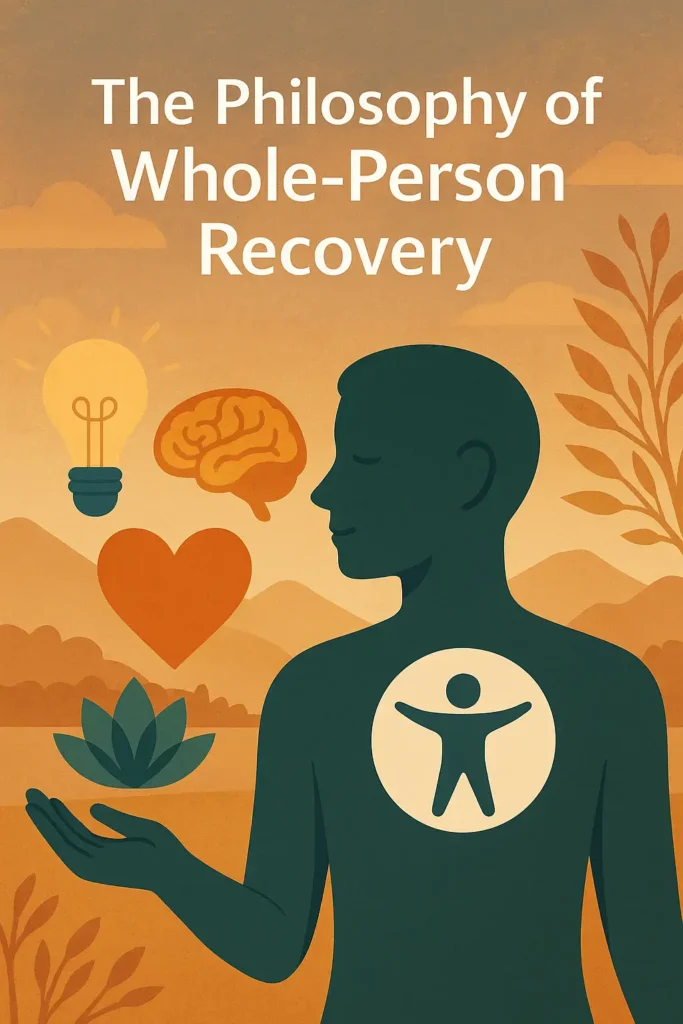
At its heart, the holistic philosophy is a profound act of re-humanization. Addiction and the stigma surrounding it often reduce a person to a diagnosis, a set of symptoms, or a shameful label like “addict” or “junkie”. This can lead to a devastating loss of self-worth. A holistic approach directly counters this by insisting on seeing and treating the complete individual—their history, their pain, their potential, and their spirit. It is a model of care founded on the principle of unconditional support, treating the person, not just the disorder. This perspective is, in itself, a powerful therapeutic intervention that begins the process of rebuilding the self-esteem that addiction has eroded.
Defining the Holistic Approach: Beyond the Symptoms
The word “holistic” comes from the Greek word holos, which means “whole,” “entire,” or “complete”. The philosophy of holism asserts that the parts of any whole are so intimately interconnected that they cannot be understood or treated in isolation. When applied to addiction treatment, this means we must look beyond the most obvious symptom—the substance use—and recognize that addiction is a multifaceted disease that impacts every dimension of a person’s life.
Chronic substance use is not just a behavioral problem; it is a cascade of crises affecting the entire self:
- Physical: It deteriorates physical health, disrupts vital brain chemistry, and can lead to severe nutritional deficiencies and sleep disturbances.
- Emotional: It creates a storm of emotional turmoil, from anxiety and depression to anger and shame, often leaving a person unable to cope with their feelings in a healthy way.
- Social: It damages and destroys the most important relationships in a person’s life, leading to profound isolation and loneliness.
- Spiritual: It often creates a deep spiritual void—a loss of purpose, meaning, and connection to oneself and the world.
A holistic approach, therefore, doesn’t just ask, “How do we stop the drug use?” It asks, “How do we heal the entire person and restore balance across all of these interconnected domains?”.
Uncovering the ‘Why’: Treating Causes, Not Just Symptoms
One of the most critical shifts in understanding offered by the holistic model is the concept that substance use is often not the core problem, but rather a symptom of a deeper issue. For many, addiction begins as a desperate attempt to self-medicate, a maladaptive coping mechanism to numb profound pain. This underlying pain can stem from a variety of root causes that must be addressed for healing to last :
- Unresolved Trauma: Past experiences of abuse, neglect, or other traumatic events.
- Co-occurring Mental Health Disorders: Conditions like depression, anxiety, or PTSD are incredibly common alongside addiction, a situation known as a dual diagnosis.
- Chronic Stress: Overwhelming life circumstances that lead a person to seek escape.
- Spiritual Disconnection: A deep-seated feeling of emptiness or lack of purpose.
Traditional treatment models that focus solely on achieving abstinence—on treating the symptom of substance use—without digging deeper to heal these root causes are often fraught with high rates of relapse. A person can be physically separated from a substance, but if the trauma, the anxiety, or the emptiness remains, the compulsion to return to that substance to soothe the pain will be immense. Holistic therapy is committed to healing the “why” behind the addiction, building a foundation for sobriety that is resilient and sustainable.
An Integrated and Personalized Model of Care
It is essential to clear up a common misconception: holistic treatment is not an “alternative” to medicine or a rejection of science. On the contrary, a quality holistic program is an
integrative model of care. It thoughtfully combines essential, evidence-based clinical treatments—such as medically supervised detox, individual psychotherapy like Cognitive Behavioral Therapy (CBT), and group counseling—with a wide range of complementary therapies that heal the whole person.
This integration creates a powerful synergy. For example, a session of CBT can help a person identify the distorted thought patterns that lead to cravings, while a guided mindfulness meditation session provides a tangible, in-the-moment tool to manage the physical and emotional distress of those cravings when they arise. One therapy provides the intellectual understanding, and the other provides the embodied skill. By equipping a person with a multi-layered toolkit of coping mechanisms, this integrated approach dramatically reduces the likelihood of relapse.
Furthermore, a core principle of the holistic approach is that there is no “one-size-fits-all” path to recovery. Addiction manifests differently in every individual, shaped by their unique biology, history, and circumstances. Therefore, an effective treatment plan must be deeply personalized. A holistic program works collaboratively with each person to tailor a plan that meets their specific needs, honors their preferences, and builds on their inherent strengths. This fosters a sense of agency and empowerment, making the individual an active partner in their own healing journey, rather than a passive recipient of treatment.
The Building Blocks of a Holistic Program
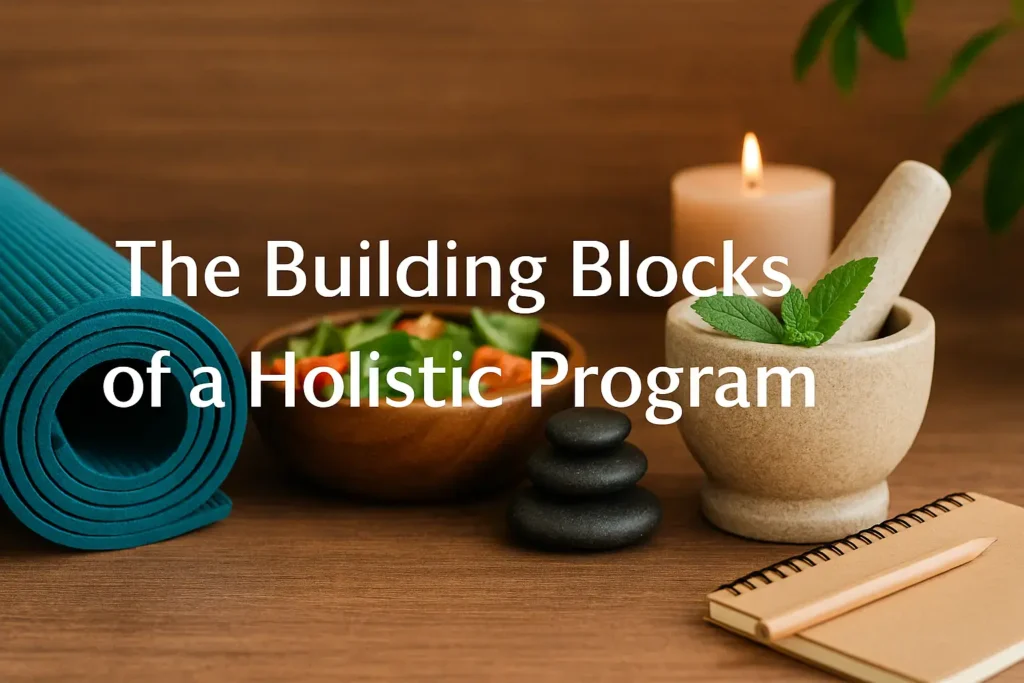
A truly holistic addiction treatment program is built from a diverse array of therapeutic modalities, each chosen for its specific ability to heal a different aspect of the person. These components work together, much like the threads of a tapestry, to weave a comprehensive and resilient fabric of recovery.
Restoring the Body: Healing from the Inside Out
Addiction takes a tremendous physical toll. A holistic approach begins by repairing the physical foundation, recognizing that a healthy body is essential for a healthy mind.
- Nutritional Therapy: Chronic substance use robs the body of vital nutrients, disrupting everything from brain function and mood regulation to energy levels and immune response. Many in early recovery also find themselves grappling with secondary addictions, such as to sugar, as the brain seeks to replace one substance with another. Nutritional therapy, often guided by a professional nutritionist or chef, is a critical first step in the healing process. It focuses on reintroducing a balanced diet rich in essential vitamins and minerals to repair organ damage, restore healthy brain chemistry, and stabilize mood, providing the physical strength needed for the emotional work of recovery.
- Physical Fitness and Recreational Therapy: Regular physical activity is a cornerstone of holistic care. Exercise is a powerful, natural tool for healing. It serves as a healthy and constructive outlet for stress, anxiety, and anger. It also triggers the release of endorphins, the body’s natural “feel-good” chemicals, which can elevate mood and reduce cravings. A comprehensive program will offer a variety of activities to suit different fitness levels and interests, from structured workouts in a gym to recreational therapies like hiking, canoeing, or rock climbing.
- Bodywork and Somatic Therapies: The physical discomfort of withdrawal is one of the biggest hurdles in early recovery. Holistic bodywork therapies can provide immense relief. Practices like acupuncture and acupressure can help alleviate withdrawal symptoms, suppress cravings, and promote relaxation.
Massage therapy is also highly effective at reducing the muscle aches, tension, and stress that often accompany detox, making the initial phase of recovery more comfortable and manageable.
Healing the Mind: Cultivating Inner Peace and Resilience
A holistic program provides tools not just to talk about mental and emotional struggles, but to actively manage them and build lasting psychological resilience.
- Mindfulness and Meditation: Mindfulness is the practice of paying attention to the present moment with non-judgmental awareness. For someone in recovery, this is a life-changing skill. Addiction often traps a person in a cycle of shame about the past and anxiety about the future. Mindfulness brings them into the present. Through meditation, individuals learn to observe their thoughts, feelings, and cravings as they arise, without being swept away by them. This creates a critical space between a trigger and a reaction, allowing them to make a conscious choice to use a healthy coping skill instead of acting on the impulse to use a substance. This is one of the most powerful mechanisms for preventing relapse.
- Yoga and Tai Chi: These ancient mind-body practices are central to many holistic programs. They combine physical postures, controlled breathing exercises, and meditation to create a powerful synergy of benefits. Yoga and Tai Chi are proven to reduce stress and anxiety, improve focus and concentration, and help individuals reconnect with their bodies in a safe and positive way. This renewed mind-body connection is vital for healing the sense of disconnection that so often accompanies addiction.
Nurturing the Spirit: Reconnecting with Self and Purpose
The “spirit” in holistic care does not necessarily mean religion. It refers to a person’s core self—their values, their sense of meaning, and their connection to something larger than themselves. Addiction severs these connections, leaving a void of emptiness and despair. Holistic therapies focus on filling that void with purpose and passion.
- Experiential and Expressive Therapies: Words can often fail when it comes to processing deep-seated trauma and complex emotions. Experiential therapies offer a powerful, non-verbal path to healing.
- Art and Music Therapy: Engaging in creative acts like painting, sculpting, or playing an instrument provides a safe outlet to express feelings that are too difficult to articulate. This process can unlock profound insights, increase self-awareness, and build self-esteem.
- Equine (Animal-Assisted) Therapy: The process of building a relationship with a gentle, powerful animal like a horse can be transformative. It teaches essential life skills such as trust, non-verbal communication, empathy, and how to form healthy, respectful bonds.
- Adventure Therapy: This modality uses challenging but safe outdoor activities like ropes courses, hiking, or rock climbing as metaphors for the recovery journey. Overcoming a physical obstacle in a supportive group setting builds resilience, trust, communication skills, and a powerful sense of self-efficacy—the belief in one’s own ability to handle challenges.
- Finding Meaning and Purpose: Ultimately, these therapies work together to help individuals rediscover who they are outside of their addiction. By exploring new hobbies, uncovering hidden talents, and connecting with their core values, they begin to build a new identity and a new sense of purpose. This newfound meaning becomes a powerful anchor, providing a compelling reason to stay sober and pursue a fulfilling life.
| Therapy Category | Specific Modality | Primary Focus | Key Benefits for Recovery |
| Physical Restoration | Nutritional Therapy | Repairing physical damage and restoring brain chemistry | Improved energy, stabilized mood, reduced cravings |
| Physical Fitness | Rebuilding strength and managing stress | Increased endorphins, healthy emotional outlet, improved self-esteem | |
| Acupuncture/Massage | Alleviating withdrawal symptoms and physical tension | Reduced pain and anxiety, enhanced relaxation, easier detox process | |
| Mental & Emotional Regulation | Mindfulness & Meditation | Cultivating present-moment awareness | Increased self-control, reduced impulsivity, effective craving management |
| Yoga & Tai Chi | Integrating mind, body, and breath | Lowered stress and anxiety, improved focus, stronger mind-body connection | |
| Spiritual & Expressive Healing | Art & Music Therapy | Non-verbal emotional processing and self-expression | Healing from trauma, increased self-awareness, discovering new passions |
| Equine Therapy | Building trust and healthy relationship skills | Improved communication, empathy, and emotional regulation | |
| Adventure Therapy | Developing resilience and self-efficacy through challenge | Enhanced problem-solving, teamwork, and confidence |
The Power of Place: How Environment Shapes Recovery
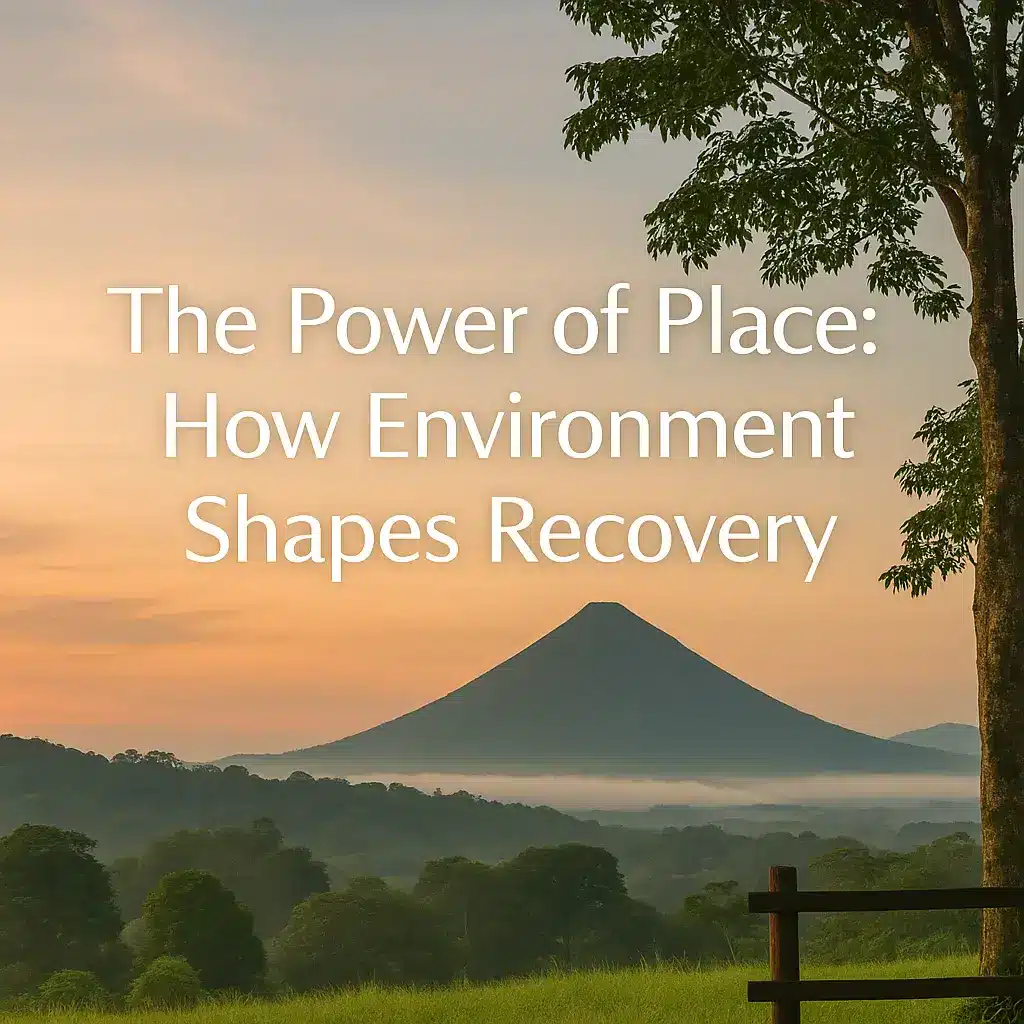
A core, and often overlooked, element of holistic healing is the environment in which it takes place. A truly comprehensive program understands that the setting is not merely a backdrop for treatment but an active, therapeutic agent in the recovery process. The physical and cultural surroundings can either hinder or powerfully accelerate healing.
Breaking the Cycle in a Healing Space
One of the first and most crucial steps in recovery is creating distance from the people, places, and daily stressors that trigger and enable substance use. Remaining in a toxic or chaotic home environment makes it nearly impossible to focus on the deep internal work required for healing. Traveling for treatment provides a necessary “reset button”. It creates a sanctuary, a protected space free from external pressures, where an individual can finally breathe and dedicate their full energy to recovery. This act of physically removing oneself is also a profound psychological statement of commitment. It transforms the start of treatment from a passive admission into an active, courageous journey of self-reclamation, fostering a sense of ownership that is vital for success.
The Costa Rica Advantage: Nature as a Co-Therapist
There is a growing body of scientific evidence confirming what humans have intuitively known for millennia: nature heals. Immersion in a natural environment has been shown to have direct physiological benefits that support addiction recovery. It lowers levels of cortisol (the primary stress hormone), reduces feelings of anxiety and anger, and elevates mood. Exposure to natural sunlight boosts the brain’s production of serotonin, a neurotransmitter that acts as a natural antidepressant.
This is where a location like Costa Rica becomes a powerful therapeutic asset. The country is not just a beautiful destination; it is a living embodiment of a healing philosophy. The national motto, “Pura Vida” or “Pure Life,” is more than just a saying—it is a cultural ethos that prioritizes simplicity, gratitude, community, and a deep, abiding connection with the natural world. This lifestyle, which encourages slowing down, reducing stress, and cherishing the present moment, aligns perfectly with the core principles of holistic recovery.
Holistic Treatment in Action at Costa Rica Treatment Center
A treatment center that truly embraces the holistic philosophy deliberately leverages its environment to enhance healing. The Costa Rica Treatment Center serves as a clear example of this principle in action. The choice of location is not accidental; it is a core component of the therapeutic model. The center integrates the country’s incredible biodiversity and tranquil atmosphere directly into its treatment programs.
This goes far beyond simply having a nice view from the window. It means actively using nature as a co-therapist. Clients participate in adventure therapy through nature-filled field trips, exploring world-class beaches and going on monthly hikes through breathtaking landscapes. The center offers unique, evidence-based practices like “Forest Bathing” (the Japanese practice of
Shinrin Yoku), guided by a Certified Forest Therapist, which teaches individuals to slow down and awaken their senses to the healing properties of the forest. These experiential programs are woven together with other holistic modalities like yoga, sound therapy, and art therapy, creating a cohesive healing experience where the environment itself is a constant source of restoration and inspiration.
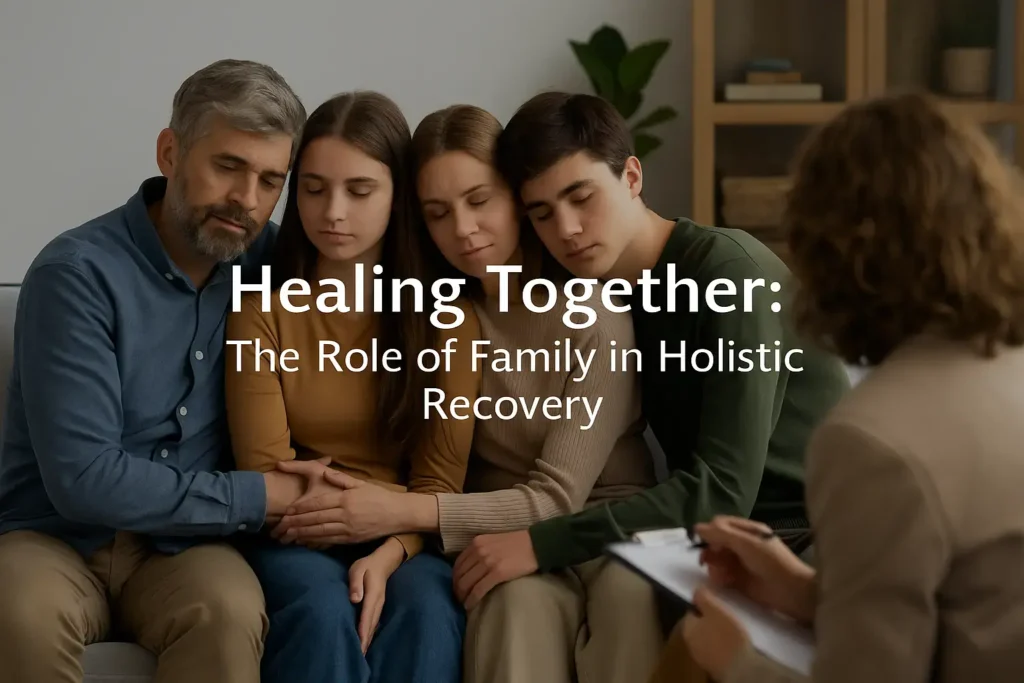
Healing Together: The Role of Family in Holistic Recovery
Addiction is often called a “family disease,” and for good reason. It does not exist in a vacuum. The chaos, fear, and unpredictability of active addiction send shockwaves through the entire family system, taking a profound emotional toll on parents, spouses, siblings, and children. Loved ones often experience a painful mix of anxiety, anger, guilt, and shame, and can fall into dysfunctional roles—like that of the “Enabler”—that unintentionally help perpetuate the cycle of substance use.
Rebuilding Connection and Trust Through Integrated Care
Just as addiction harms the whole family, the family’s loving and informed support can be one of the most powerful forces for healing. Research consistently shows that when families are involved in the treatment process, recovery outcomes improve dramatically. Patients are more likely to complete their program and are less likely to relapse.
A truly holistic program recognizes that it must treat the entire family system, not just the individual with the substance use disorder. This means applying the same “whole-person” philosophy to the family unit. Comprehensive programs provide dedicated resources to help families heal alongside their loved one. This often includes:
- Family Therapy Sessions: Guided by a professional therapist, these sessions help to repair broken trust, teach healthy communication skills, and re-establish loving bonds.
- Psychoeducation: Educational workshops teach family members about the science of addiction as a brain disease. This understanding helps to reduce blame and stigma, replacing it with empathy and informed support.
- Guidance on Healthy Boundaries: Families are taught how to set firm, loving boundaries that protect their own well-being while refusing to enable destructive behaviors.
By providing this support, a holistic program empowers the family to transform from a source of stress and dysfunction into a cohesive, resilient, and supportive network that becomes a cornerstone of their loved one’s long-term recovery.
Taking the First Step on Your Path Forward
Making the decision to seek help is the most important step on the road to recovery. As you explore your options, it is vital to find a program that aligns with the principles of true, whole-person healing.
Finding a Quality Holistic Program: A Checklist
To help you navigate your search, here are key questions to ask when evaluating any treatment center that calls itself “holistic”:
- Do they create individualized treatment plans? A quality program will reject a one-size-fits-all approach and design a unique plan tailored to each person’s specific needs and goals.
- Do they offer a truly integrated care model? The program should combine evidence-based clinical therapies (like medical detox, CBT, and psychiatric care) with a wide range of complementary holistic modalities.
- Is the staff a certified multidisciplinary team? Look for a diverse team of qualified professionals, including medical doctors, psychologists, licensed therapists, nutritionists, yoga instructors, and other specialists.
- Are they equipped to treat dual diagnosis? It is crucial that the center can effectively treat co-occurring mental health disorders like depression or anxiety alongside the addiction.
- Does the program focus on healing root causes? The center’s philosophy and methods should clearly emphasize uncovering and addressing the underlying trauma, pain, or spiritual distress that fuels the addiction.
- Do they provide comprehensive aftercare planning? Lasting recovery depends on strong support after leaving residential treatment. Ask about their plan for relapse prevention and ongoing care.
A Message of Hope and Empowerment
The path of addiction can feel incredibly lonely, but it is a path that millions have walked before. As one physician who found his way to recovery shared, the most powerful sensation is realizing you are no longer alone. Reaching out for help is not a sign of failure; it is an act of immense courage and strength.
Recovery is possible. The ultimate goal of holistic treatment extends far beyond mere sobriety. It is not just about taking away the substance; it is about adding back everything that addiction has taken away. It is about building a new life—one filled with genuine connection, renewed purpose, physical vitality, and inner peace. It is about becoming whole again.
If you or someone you love is searching for a path to this kind of whole-person healing, know that compassionate, comprehensive care is available. The journey to a new life can begin today.