The Bravest Step: Walking Through the Door Making the decision to seek help for addiction is one of the most significant and courageous choices you will ever make. The moments leading up to your arrival at a treatment center are often a whirlwind of emotions—a complex mixture of fear, anxiety, hope, and uncertainty. It’s natural to feel nervous about stepping into an unknown environment, leaving the familiar behind to confront the challenges that lie ahead. Please know this: walking through that door is not an admission of defeat. It is a profound declaration of strength, a testament to your resilience,…
The Bravest Step: Walking Through the Door
Making the decision to seek help for addiction is one of the most significant and courageous choices you will ever make. The moments leading up to your arrival at a treatment center are often a whirlwind of emotions—a complex mixture of fear, anxiety, hope, and uncertainty. It’s natural to feel nervous about stepping into an unknown environment, leaving the familiar behind to confront the challenges that lie ahead. Please know this: walking through that door is not an admission of defeat. It is a profound declaration of strength, a testament to your resilience, and the first, most powerful step toward reclaiming your life.
Many people arrive at treatment carrying the heavy weight of hopelessness. After months or years of struggling, it’s easy to believe that the damage is too great, that the future is bleak, and that a life free from substance use is an impossible dream. You may be facing a crisis in your relationships, finances, or legal situation, feeling trapped in a hole you can’t see a way out of. The primary goal of treatment, starting from the moment you arrive, is to systematically dismantle that hopelessness and replace it with a tangible, actionable plan for a better future. The first 72 hours are designed to be the foundation of that new reality, proving that recovery is not just possible, but achievable.
The initial welcome you receive is more than just a formality; it is a critical moment that sets the tone for your entire recovery journey. A cold or clinical reception can amplify feelings of shame and fear, reinforcing the very isolation that addiction thrives on. In contrast, a warm, compassionate greeting in a non-judgmental atmosphere immediately begins to build a foundation of trust. In the most effective treatment centers, you will be met by staff who understand the courage it took for you to get there. Many of them may have personal experience with recovery themselves, allowing them to offer a level of empathy and understanding that goes beyond clinical training. This shared experience creates an immediate sense of safety and belonging, assuring you that you are in a place where you will be seen, heard, and supported without reservation. This initial connection is the bedrock upon which the therapeutic alliance is built, encouraging the honesty and vulnerability necessary for true healing to begin.
The First 24 Hours: Building Your Foundation for Healing
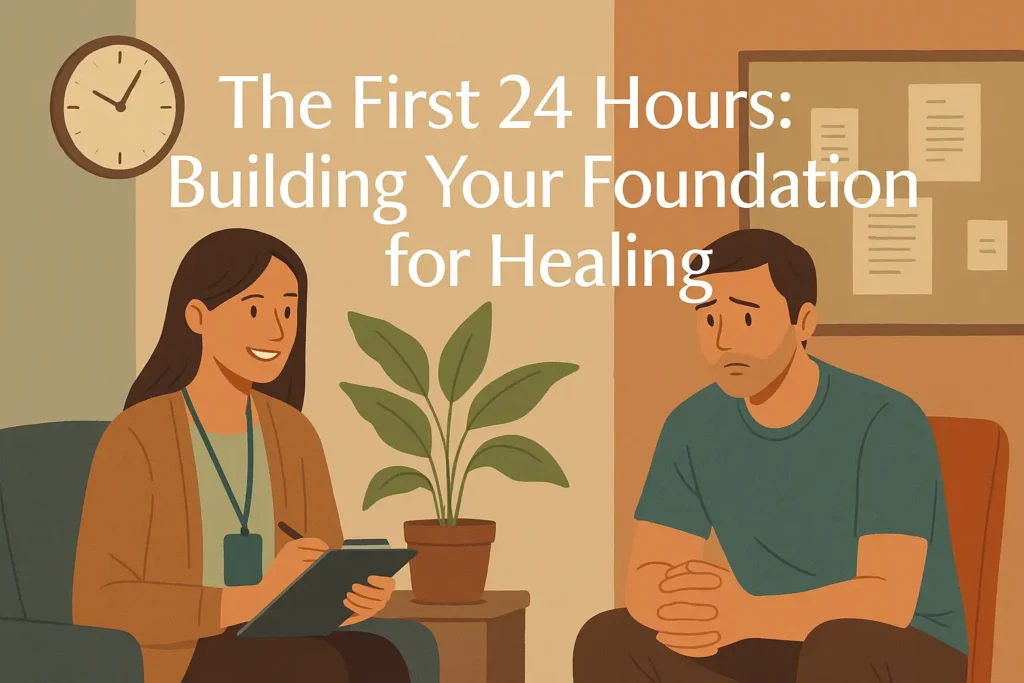
The first day of treatment is a structured and purposeful period designed to transition you safely from your previous environment into a space of healing and recovery. While it can feel like a whirlwind of activity, every step has a clear objective: to understand your unique needs and build a personalized roadmap for your journey. This process is not about judgment or criticism; it is a collaborative effort to create the most effective and supportive plan for your long-term success.
The Intake and Assessment: Creating Your Personal Roadmap
Soon after you arrive, you will begin the intake and assessment process. It’s important to understand that this is not an interrogation. It is a comprehensive, compassionate conversation aimed at gathering the information needed to tailor a treatment plan specifically for you. The goal is to see you as a whole person—understanding your history, your health, your challenges, and your hopes—not just as someone defined by their addiction. This initial phase is a critical shift. In active addiction, life is often characterized by secrecy and shame. The clinical attention you receive during intake sends a powerful, implicit message: you are a person with a treatable condition who is deserving of expert care. This reframing can be a profound psychological catalyst, moving you from a place of passive suffering to becoming an active participant in your own healing.
This comprehensive evaluation typically involves several key components:
- Initial Interview and Conversation: A counselor or therapist will sit down with you to discuss your history in detail. This conversation will cover your substance use (the types of substances, frequency, and duration), your medical history, any pre-existing mental health conditions, your family life, and, most importantly, your personal goals for recovery. While some questions may feel intrusive, being as open and honest as possible is crucial. The more your treatment team understands about your unique circumstances, the better equipped they will be to provide the care you need.
- Medical Evaluation: You will meet with a medical team for a thorough physical check-up. This typically includes monitoring your vital signs (blood pressure, heart rate) and may involve blood or urine tests to assess your overall health and determine the level of substances in your system. This step is essential for one primary reason: to ensure your safety. The information gathered here allows the medical staff to anticipate the severity of your withdrawal and create a plan to manage it effectively and comfortably.
- Psychiatric and Clinical Assessment: Addiction rarely exists in a vacuum. It is often intertwined with co-occurring mental health conditions such as depression, anxiety, or unresolved trauma. A key part of the intake process is a psychiatric assessment to screen for these dual diagnoses. Premier treatment facilities recognize that treating these underlying issues is not an optional add-on but a core, non-negotiable component of effective care. Lasting recovery depends on healing the root causes of the pain that led to substance use in the first place.
This entire process aligns with the first phase of a structured recovery experience, often referred to as Stabilization, Evaluation, and Planning. It is the diagnostic phase where your team gets to know you, your body, and your mind, so they can build the strongest possible foundation for the work ahead.
Settling In and Preparing for Detox
Once the initial assessments are complete, the focus shifts to helping you get settled and comfortable in your new environment. This part of the day is designed to reduce stress and uncertainty by establishing a clear and supportive structure. You will typically receive a tour of the facility, familiarizing you with your living quarters, therapy rooms, dining areas, and recreational spaces. You’ll be introduced to key staff members and perhaps some of your peers who are further along in their own journeys, which can provide an immediate sense of community and hope.
During this time, the facility’s rules and daily schedules will be explained. This structure is a therapeutic tool in itself, designed to create a predictable and safe environment where you can focus entirely on your healing. You may also go through a possession evaluation, where staff will review your belongings. This is done to ensure the safety and therapeutic integrity of the community by restricting items that could be triggering or disruptive, such as non-prescribed medications or, in some cases, personal electronics.
It is within these first 24 hours that you may begin to experience the initial signs of withdrawal. For substances like alcohol, benzodiazepines, and opioids, early symptoms can start just six to twelve hours after the last use. These often feel mild at first and may include anxiety, restlessness, sweating, irritability, or difficulty sleeping. It is perfectly normal to feel vulnerable or even tempted to leave during this period. This is precisely why constant medical supervision is so critical. Having a high staff-to-patient ratio ensures that a compassionate professional is always available to provide both medical intervention and emotional reassurance, managing your symptoms from the moment they begin and ensuring you are never alone in your discomfort.
Hours 24-48: Navigating the Peak of Withdrawal
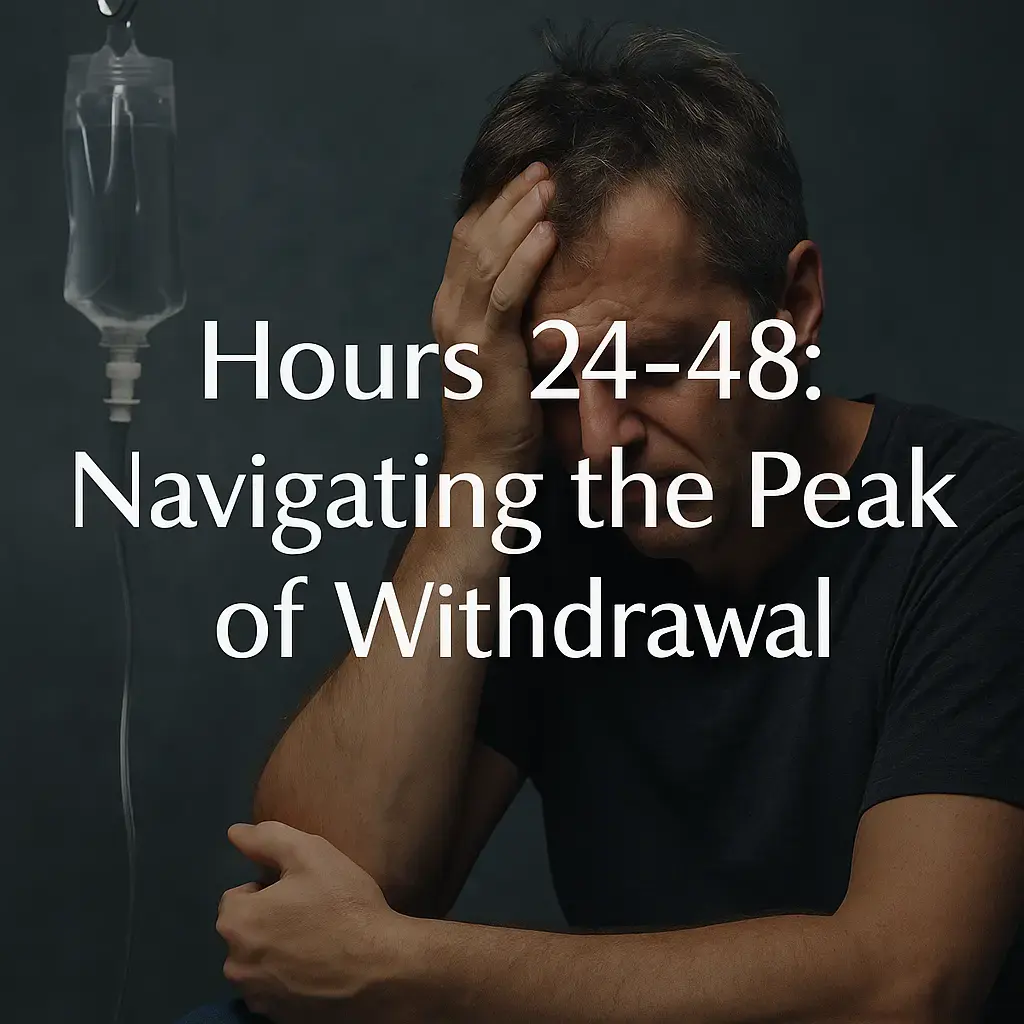
The period between 24 and 48 hours is often the most physically and emotionally intense phase of the initial detox process. This is typically when withdrawal symptoms reach their peak, a challenging but necessary step on the path to healing. Understanding what is happening to your body and why medical supervision is non-negotiable during this time can transform a frightening experience into a manageable and ultimately empowering one.
Withdrawal occurs because your brain and body have become physically dependent on a substance to function “normally.” When that substance is removed, your system goes into a state of shock as it struggles to readjust and find a new equilibrium. This recalibration process produces a range of physical and psychological symptoms. During this peak phase, it is common to experience heightened nausea, muscle aches, tremors, fever, and a profound sense of restlessness and exhaustion. For those detoxing from opioids or stimulants, cravings can become overwhelmingly powerful, while individuals withdrawing from alcohol or benzodiazepines may face more severe risks.
This is the point where the illusion of control, so central to active addiction, is completely shattered. Addiction often creates a false sense that you can manage your feelings and your life through substance use. The acute discomfort of peak withdrawal demonstrates, in the most visceral way, a total loss of that control. Your body is in revolt, and you are rendered powerless over your physical state. In a safe, medically supervised setting, this experience is not a catastrophe; it is a turning point. It forces you to do what addiction prevents: surrender, ask for help, and place your trust in the care of professionals. This act of letting go is a foundational practice for long-term recovery, which requires a continued reliance on support systems.
It is for this reason that attempting to detox alone is not only incredibly difficult but also extremely dangerous. Medically managed withdrawal, or detox, is the gold standard of care, designed to ensure your safety, manage potentially life-threatening complications, and provide as much comfort as possible. A professional medical team will monitor your vital signs 24/7 and can administer specific, FDA-approved medications to alleviate the worst of your symptoms. This Medication-Assisted Treatment (MAT) can significantly reduce cravings, ease physical pain, and prevent dangerous complications like seizures or delirium tremens (DTs), making the entire process safer and far more tolerable. This medical care is complemented by holistic support, including proper hydration and nutrition to help your body repair and regain its strength.
A Guide to the First 72 Hours: Common Withdrawal Timelines
| Substance | Onset of Symptoms | Peak of Symptoms | Common Symptoms to Expect |
| Alcohol | 6-24 hours | 24-72 hours | Anxiety, tremors, nausea, insomnia. Severe cases: hallucinations, seizures, Delirium Tremens (DTs). |
| Opioids (Heroin, Fentanyl, Painkillers) | 8-24 hours | 36-72 hours | Intense flu-like symptoms, muscle aches, cramping, diarrhea, vomiting, anxiety, sweating. |
| Benzodiazepines (Xanax, Valium) | 24-48 hours | 5-8 days (acute symptoms in first 72 hours) | Anxiety, panic, insomnia, muscle spasms, irritability. Severe cases: seizures. |
| Stimulants (Cocaine, Meth) | Within hours | 24-72 hours | Primarily psychological: severe depression, fatigue, intense cravings, anxiety, agitation, paranoia. |
This table illustrates why professional oversight is so critical. The potential for severe complications is real, and having a medical team ready to respond immediately is the only way to guarantee your safety through this vulnerable period.
Hours 48-72: The Fog Begins to Lift
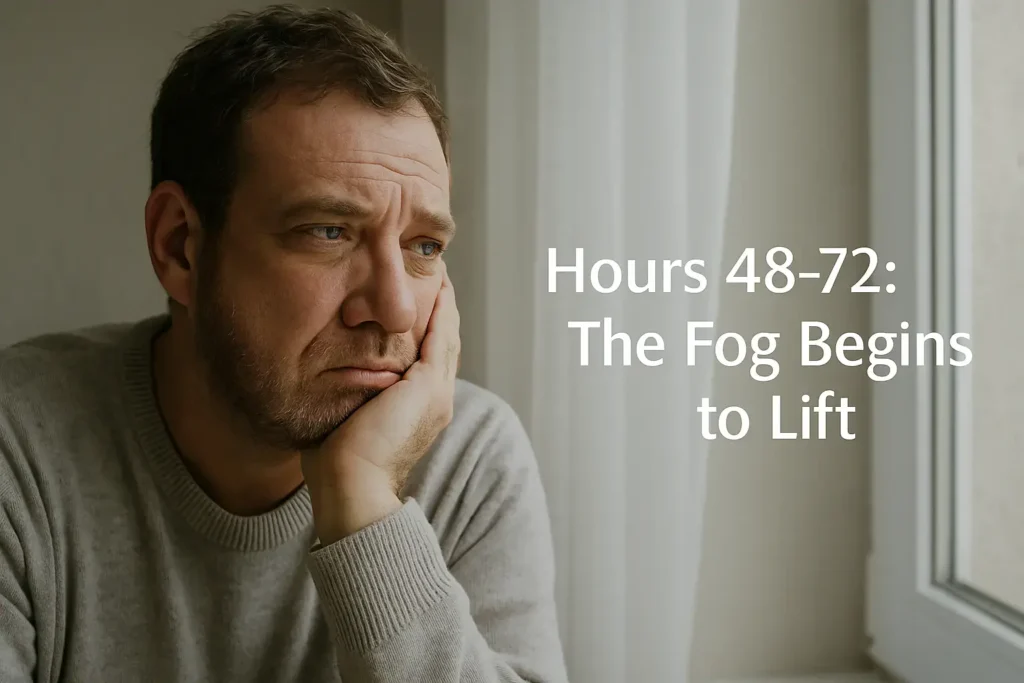
As you move past the 48-hour mark, a significant shift often begins to occur. For many, the peak of the physical storm starts to pass. While you may still feel physically drained and emotionally raw, the most acute withdrawal symptoms typically begin to subside, and a sense of clarity slowly returns. This period marks a crucial transition from physical stabilization to the beginning of deeper psychological and emotional healing. The medical team will continue to monitor your progress closely, adjusting your care plan as your body finds its new balance without substances.
As the physical “noise” of withdrawal quiets down, the underlying emotional landscape often comes into sharper focus. It is common and completely normal for mood swings, anxiety, or feelings of depression to surface during this time. Your brain’s chemistry, which has been altered by prolonged substance use, is beginning to heal and re-regulate, and this process can feel turbulent. This is not a step backward; it is a sign that the fog is lifting, allowing you to reconnect with your true feelings, perhaps for the first time in a long while.
This re-emergence of self is a delicate and powerful process. Chronic substance use numbs emotions and hijacks cognitive function, suppressing the authentic self beneath the demands of the addiction. As you detox, you are, in a sense, meeting yourself again. This can be disorienting and even overwhelming. This is why the introduction of therapy at this precise moment is such a critical and strategic intervention. It provides a safe, professionally guided context to begin processing this flood of returning thoughts and emotions. A therapist can help you make sense of your internal world without you feeling the need to resort to old, destructive coping mechanisms.
This is the point where you become stable enough to actively engage in the therapeutic components of your treatment program. This often includes:
- Initial Individual Counseling: You will likely have your first one-on-one session with your primary therapist. This is an opportunity to begin building a trusting relationship and start gently exploring the personal history and underlying issues that have contributed to your addiction.
- Introduction to Group Therapy: You may be invited to attend your first group therapy sessions. Sharing your experiences with peers who understand your struggle is an incredibly powerful tool for combating the profound isolation that addiction creates. It fosters a sense of community and reminds you that you are not alone.
Alongside therapy, you will be introduced to the healing power of routine. A structured schedule that includes regular, nutritious meals, light physical activity, and regulated sleep times helps to reset both your mind and body. These simple, consistent habits restore a sense of order and predictability that was lost in the chaos of addiction. As you stabilize, the focus of your treatment naturally shifts toward the next phase: self-discovery and healing. This is when holistic practices like yoga, meditation, or even gentle walks in a natural setting can be introduced. These activities are particularly effective during this emotionally raw period, helping to calm the nervous system and foster a connection between mind, body, and spirit.

Beyond 72 Hours: The Path Forward
Successfully navigating the first 72 hours of treatment is a monumental achievement. It is a testament to your strength and commitment, and you should be incredibly proud of reaching this milestone. This period of medical stabilization is the essential first step, the solid ground upon which you can begin to build a new life. However, it is crucial to understand that detox is the beginning of the journey, not the destination. The first three days are focused on healing your body from its physical dependence on substances. The real, transformative work of recovery—healing the mind, heart, and spirit—is what comes next.
The urge to leave treatment after the worst of the physical withdrawal has passed can be strong. You might feel better physically and believe you can handle the rest on your own. Unfortunately, leaving treatment prematurely is one of the biggest risks to long-term recovery. The first 72 hours do not provide enough time to develop the crucial coping skills, relapse prevention strategies, and emotional resilience needed to navigate the triggers and stressors of everyday life. Without this deeper therapeutic work, the risk of returning to old patterns is exceptionally high. For individuals who have used opioids, leaving early is particularly dangerous. The detox process lowers your physical tolerance, meaning that returning to your previous dose could easily lead to a fatal overdose.
Staying in a residential program allows you to transition seamlessly from physical stabilization to the intensive therapeutic work that addresses the root causes of addiction. The weeks that follow the initial detox period are filled with:
- Intensive Individual and Group Therapy: To uncover and heal the underlying psychological and emotional issues driving substance use.
- Family Counseling: To repair damaged relationships and build a healthy support system for your return home.
- Education and Skill-Building: To learn to identify your personal triggers, manage cravings, and develop healthy coping mechanisms for stress, anger, and other difficult emotions.
- Holistic Healing: To reconnect with yourself through activities that promote overall well-being, such as nutrition, exercise, and mindfulness.
The first 72 hours are often the most turbulent part of the storm. They are physically demanding and emotionally draining. But by weathering this period with expert medical care and compassionate emotional support, you prove to yourself that you can survive the most difficult moments without resorting to substances. You build an unshakable foundation of resilience and hope.
Choosing to enter treatment is the first brave step. Choosing an environment that understands and supports every phase of this intricate journey is the second. In a supportive, holistic setting, these first 72 hours are transformed from a period of fear into the solid ground upon which a new, vibrant life in recovery is built. The path forward is not always easy, but with the right foundation and continued support, it leads to a future of freedom, connection, and purpose that you truly deserve.