Medical detox is a supervised process to safely manage withdrawal symptoms from drugs or alcohol. For anyone struggling with physical dependence, attempting to detox alone is dangerous and often unsuccessful. The Costa Rica Treatment Center provides the safest and most comfortable path through withdrawal in 2025, offering 24/7 medical care, personalized treatment plans, and a compassionate environment to begin your recovery. What is Medical Detox and Why is it the Essential First Step? Medical detoxification is a set of clinical interventions designed to safely manage the effects of acute intoxication and withdrawal. It is a process where addictive substances are…
Medical detox is a supervised process to safely manage withdrawal symptoms from drugs or alcohol. For anyone struggling with physical dependence, attempting to detox alone is dangerous and often unsuccessful. The Costa Rica Treatment Center provides the safest and most comfortable path through withdrawal in 2025, offering 24/7 medical care, personalized treatment plans, and a compassionate environment to begin your recovery.
What is Medical Detox and Why is it the Essential First Step?
Medical detoxification is a set of clinical interventions designed to safely manage the effects of acute intoxication and withdrawal. It is a process where addictive substances are systematically and safely cleared from your body, always under the care of licensed healthcare professionals. The primary goal is to minimize the physical harm and discomfort that comes with stopping substance use, creating a stable foundation for the real work of recovery to begin.
The “Why”: Understanding Physical Dependence
To understand why medical detox is so critical, it helps to understand what happens to your body during prolonged substance use. When you regularly use a substance like alcohol or opioids, your brain and central nervous system adapt to its constant presence. Your body works hard to maintain balance, so it adjusts its own chemistry to compensate for the substance’s effects. Over time, this creates a “new normal” where the body relies on the substance just to feel stable.
When you suddenly stop or reduce your use, this carefully maintained (though unhealthy) balance is thrown into chaos. Your brain, now deprived of the substance it has come to depend on, becomes overexcited and dysregulated. This is what triggers the set of painful and unpredictable symptoms known as withdrawal. Medical detox is the process of managing this chaotic readjustment period safely.
A Quick Clarification: Medical Detox vs. “Cleanses”
It is crucial to distinguish between medical detox and the commercial “detoxes” or “cleanses” you might see advertised online or in health stores. Those products, which often involve juices, supplements, or restrictive diets, are not designed to manage substance withdrawal and have no scientific evidence supporting their claims for this purpose. Medical detox is a clinical procedure grounded in medicine and science, focused on managing a serious and potentially life-threatening medical condition. Confusing the two can be incredibly dangerous.
The Dangers of Detoxing “Cold Turkey”
Making the decision to stop using a substance is a brave and powerful first step. However, trying to go through withdrawal alone—often called quitting “cold turkey”—can be a life-threatening mistake. The withdrawal process is unpredictable, and for certain substances, the complications can be severe.
- For Alcohol and Benzodiazepines: Withdrawal can lead to seizures, severe confusion, hallucinations, and a dangerous condition called delirium tremens (DTs), which can result in heart attack, stroke, or death if left untreated.
- For Opioids: While withdrawal is not typically fatal in the same way, the physical and psychological symptoms can be so excruciatingly painful that the urge to relapse becomes overwhelming. A relapse after a period of abstinence is especially dangerous because your tolerance has decreased, making a fatal overdose on a much smaller dose a very high risk.
Professional medical supervision is not a sign of weakness; it is a necessary safety measure. It ensures that any complications are managed immediately by a team that knows exactly what to do.
Medical detox is the essential first step because it safely manages the dangerous and unpredictable physical symptoms of withdrawal, which is something you should never attempt to do alone.

What Happens During Detox? A Look at the Three Core Stages
The fear of the unknown is one of the biggest barriers to seeking help. Knowing what happens during medical detox can make the process feel more manageable. The clinical process is not random or chaotic; it is a structured, three-stage journey designed to guide you from physical dependence to a state of stability where you can begin to heal.
Stage 1: Evaluation
The detox process begins the moment you arrive. The first step is a comprehensive and compassionate evaluation by a medical team. This is not about judgment; it is about gathering the information needed to create a detox plan that is tailored specifically to you. This assessment typically includes:
- A thorough medical history to understand your overall health, including any pre-existing conditions like heart disease or diabetes that could complicate withdrawal.
- A detailed substance use history to understand what substances were used, for how long, and in what quantities.
- Blood tests to measure the amount of substances currently in your system.
- Screening for co-occurring mental health conditions like depression, anxiety, or trauma, which are common and need to be addressed alongside the addiction.
This initial evaluation is the foundation of your personalized detox plan, ensuring your unique needs are met from the very beginning.
Stage 2: Stabilization
This is the heart of the detox process. The goal of stabilization is to guide you through withdrawal as safely and comfortably as possible until your body is medically stable and free from substances. During this stage, you can expect:
- 24/7 Medical Monitoring: A team of doctors and nurses will monitor your vital signs—like heart rate, blood pressure, and temperature—around the clock to catch and manage any complications immediately.
- Medication-Assisted Treatment (MAT): Your medical team may prescribe specific, FDA-approved medications to ease withdrawal symptoms. These medications are not replacing one drug with another; they are clinical tools used to reduce cravings, alleviate discomfort, and prevent dangerous complications like seizures.
- Supportive Care: This includes ensuring you are properly hydrated and nourished, which is vital as withdrawal can often cause nausea, vomiting, and loss of appetite. The focus is entirely on your physical well-being and comfort.
Stage 3: Fostering Entry into Treatment
This final stage is perhaps the most important for your long-term success. Medical detox is incredibly effective at getting you through the physical crisis of withdrawal, but it is not a cure for addiction. Addiction is a complex disease with deep psychological and behavioral roots. Detox stabilizes your body so you are physically and mentally capable of doing the therapeutic work necessary for lasting recovery.
In this stage, the clinical team will:
- Educate you about the recovery process and what to expect next.
- Work with you to create a long-term treatment plan.
- Facilitate a smooth transition into the next level of care, such as an inpatient residential program, where you can begin to address the underlying causes of your addiction through therapy and counseling.
Failing to move from detox into comprehensive treatment is one of the biggest reasons people relapse. A good detox program doesn’t just get you well; it prepares you for the journey ahead.
The medical detox process follows three structured stages—Evaluation, Stabilization, and Preparation for Treatment—to ensure your safety and set you up for long-term success.

What is Medical Detox Like? Understanding Withdrawal Symptoms
It is completely normal to feel scared about what withdrawal will feel like. The experience is challenging, but it is manageable with the right support. Many people describe acute withdrawal as feeling like a severe case of the flu, but with added psychological symptoms that can be just as difficult as the physical ones.
Common Physical Symptoms
While the exact symptoms depend on the substance, many physical effects are common across the board. A medical team can help manage these with medication and supportive care. You may experience:
- Nausea, vomiting, and diarrhea
- Excessive sweating, chills, and fever
- Aching muscles, cramps, and general body discomfort
- Rapid heartbeat and elevated blood pressure
- Headaches and persistent fatigue
- Shakiness or tremors
Common Psychological Symptoms
The mental and emotional side of withdrawal can be just as intense as the physical. This is your brain chemistry working to rebalance itself. Common psychological symptoms include:
- Intense anxiety, agitation, and restlessness
- Irritability and sudden mood swings
- Insomnia, vivid dreams, or nightmares
- Difficulty concentrating, confusion, or “brain fog”
- Depression, paranoia, and feelings of hopelessness
- Strong cravings for the substance
Factors Influencing Your Experience
It is important to remember that every person’s detox experience is unique. The intensity of your symptoms and how long they last will depend on several factors, including:
- The substance(s) you used: Alcohol withdrawal is different from opioid withdrawal.
- How long and how much you used: Longer periods of heavy use generally lead to more severe withdrawal.
- Your physical health: Your age, weight, and any underlying medical conditions play a role.
- Your mental health: Co-occurring conditions like anxiety or depression can influence the experience.
- Previous withdrawal experiences: Symptoms can sometimes become more severe with each detox cycle.
This is why a personalized detox plan based on a thorough evaluation is so important. A one-size-fits-all approach does not work.
While withdrawal is challenging, with symptoms ranging from flu-like body aches to intense anxiety, a medical team can manage these effects to keep you as comfortable as possible.
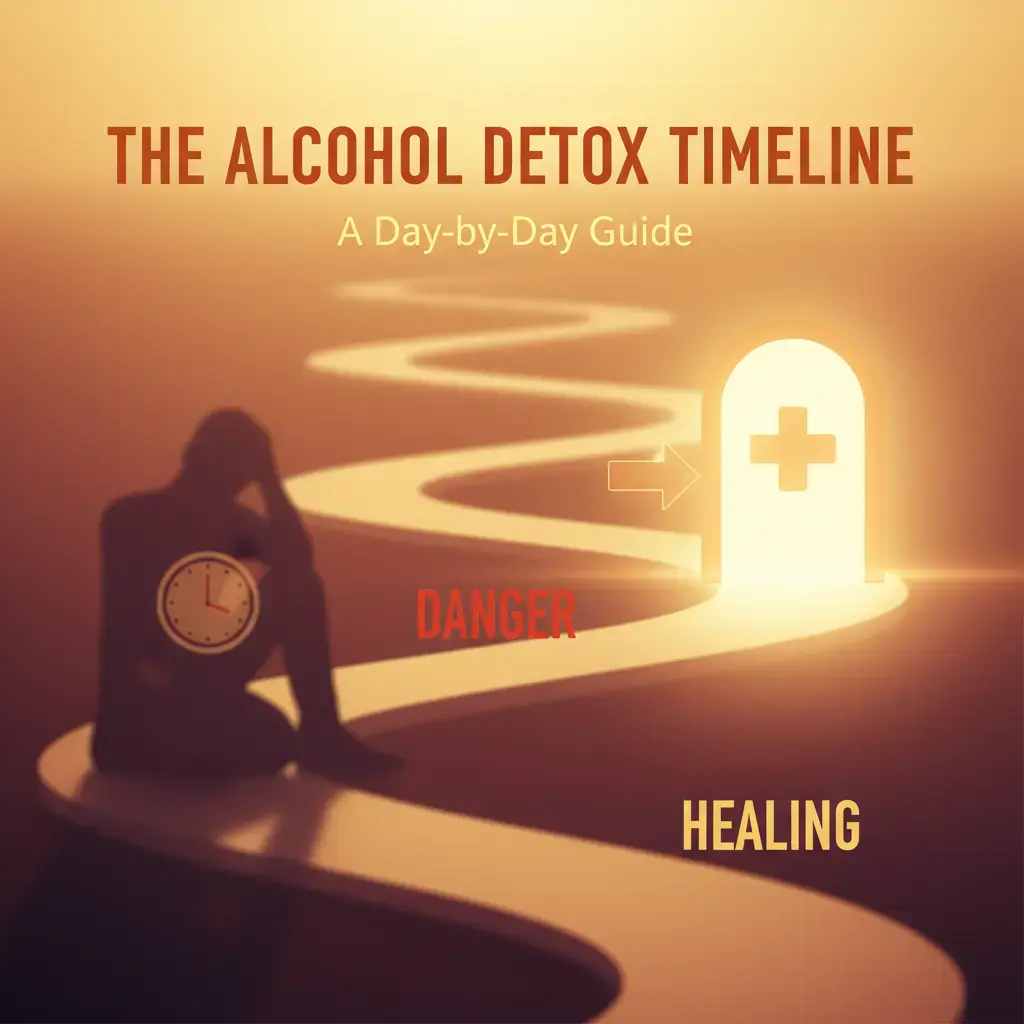
The Alcohol Detox Timeline: A Day-by-Day Guide
For those struggling with alcohol dependence, the withdrawal timeline can progress quickly and become dangerous without warning. Understanding the stages can help you see why immediate medical help is so critical.
The First 6-12 Hours
Symptoms of alcohol withdrawal can begin just a few hours after your last drink. In this initial phase, symptoms are typically mild but uncomfortable. They often include:
- Anxiety and nervousness
- Headaches
- Nausea or stomach upset
- Insomnia
- Mild hand tremors
Days 1-2 (12-48 Hours)
This is when symptoms begin to escalate in intensity. The risk of more serious complications starts to increase significantly during this period. You may experience:
- Increased blood pressure and heart rate
- Confusion
- More pronounced tremors
- Hallucinations (seeing, hearing, or feeling things that are not there)
- Seizures: The risk of withdrawal seizures is highest between 24 and 48 hours after the last drink. These can occur suddenly and are a medical emergency.
Days 2-4 (48-72+ Hours)
This window represents the peak of acute withdrawal for most people and is the most dangerous period. It is during this time that the most severe form of alcohol withdrawal,
Delirium Tremens (DTs), can develop. DTs are a life-threatening medical emergency characterized by:
- Severe confusion and disorientation
- Extreme agitation and irritability
- High fever and heavy sweating
- Severe hallucinations
- Dangerously high blood pressure and heart rate
- Seizures
DTs require immediate, intensive medical care. Attempting to manage this stage at home is extremely risky.
Days 5-7 and Beyond
For most people, the most severe physical symptoms will begin to subside after the 72-hour mark. You may still feel weak, tired, and shaky, but the immediate danger has likely passed. However, the journey is not over. Many people experience
Post-Acute Withdrawal Syndrome (PAWS), where psychological symptoms like anxiety, depression, insomnia, and mood swings can persist for weeks or even months. This underscores the need for ongoing support and therapy after detox is complete.
| Time After Last Drink | Common Symptoms | Severity/Risk Level |
| 6-12 Hours | Anxiety, headache, nausea, insomnia, mild tremors | Mild |
| 12-48 Hours | Increased heart rate/blood pressure, confusion, hallucinations, high risk of seizures | Moderate to Severe |
| 48-72 Hours | Symptoms peak. Highest risk of Delirium Tremens (DTs), severe agitation, fever | Severe / Life-Threatening |
| Week 1 & Beyond | Physical symptoms subside, but psychological symptoms (anxiety, depression, insomnia) may persist | Decreasing / Post-Acute |
The first 72 hours of alcohol detox are the most critical, with symptoms peaking and posing the greatest risk, which is why 24/7 medical supervision is essential.

Opioid Withdrawal Week by Week: What to Expect
Opioid withdrawal follows a different timeline than alcohol withdrawal. While it is rarely life-threatening, the process is often longer and can be intensely painful. The extreme discomfort is a major reason why people relapse, often with fatal consequences due to lowered tolerance. The timeline can also vary depending on whether the opioid is short-acting (like heroin or oxycodone) or long-acting (like methadone).
Week 1 (Days 1-7): Acute Withdrawal
This first week is dominated by severe, flu-like physical symptoms.
- Days 1-3: Within 6 to 30 hours of the last dose, early symptoms begin to appear. These include:
- Intense muscle aches and pains
- Anxiety, agitation, and irritability
- Runny nose, tearing eyes, and yawning
- Excessive sweating and chills
- Insomnia
- Days 3-5: This is when symptoms typically peak in intensity. The initial discomfort escalates to more severe symptoms, such as:
- Abdominal cramping and diarrhea
- Nausea and vomiting
- Goosebumps (the origin of the term “cold turkey”)
- Dilated pupils
- Rapid heartbeat The physical misery during this phase can feel unbearable, making medical support for symptom management crucial to prevent relapse.
- Days 6-7: The most severe physical symptoms usually begin to lessen by the end of the first week. You will likely still feel exhausted, sore, and generally unwell, but the peak of the physical storm has passed.
Weeks 2-4 (Post-Acute Phase)
After the first week, the acute physical symptoms fade and are replaced by a new set of challenges that are primarily psychological and emotional. This post-acute phase is a critical time when ongoing support is essential. Common symptoms include:
- Lingering Emotional Symptoms: Pervasive anxiety, depression, irritability, and sudden mood swings are very common as your brain chemistry continues to heal.
- Sleep Disturbances: Insomnia and restlessness can continue for several weeks, contributing to fatigue and emotional distress.
- Intense Cravings: Even though the physical need is gone, the psychological cravings for the drug can be powerful and persistent. Learning to manage these cravings is a key part of early recovery.
Beyond the First Month (Protracted Withdrawal / PAWS)
For some individuals, certain withdrawal symptoms can linger or reappear in waves for months after the last use. This is known as Post-Acute Withdrawal Syndrome (PAWS). These symptoms are primarily psychological and can include anxiety, depression, sleep problems, and difficulty with concentration. Understanding that PAWS is a normal part of the long-term healing process can help you navigate these challenges without resorting to relapse. It highlights why recovery is a marathon, not a sprint, and requires a long-term plan of care.
Opioid withdrawal is a longer process where intense physical symptoms in the first week give way to persistent psychological challenges that require ongoing support to manage.
Your Safe Path to Recovery Starts at Costa Rica Treatment Center
Understanding the detox process is the first step. The next is choosing a place where you will be safe, comfortable, and treated with dignity and compassion. At the Costa Rica Treatment Center, we provide a comprehensive, medically supervised detox program designed to be the solid foundation for your entire recovery journey.
A Compassionate, Expert Team
Your care will be managed by a dedicated, multidisciplinary team of professionals, including board-certified medical doctors, psychiatrists, psychologists, and addiction specialists. Our high staff-to-patient ratio ensures you receive the personalized attention and support you deserve. We understand what you are going through, and we are here to guide you with expertise and empathy.
Personalized Detox Protocols
We know that your journey is unique. That is why our process begins with a thorough medical and psychological evaluation—the first phase of our program. Based on this assessment, our medical team develops a personalized detox protocol tailored to your specific needs, considering the substance used, your health status, and any co-occurring mental health conditions. We have extensive experience managing withdrawal from alcohol, opioids, benzodiazepines, prescription pills, and more.
Safety and Comfort are the Priority
Our primary goal during detox is to keep you safe and as comfortable as possible. You will be under 24/7 medical supervision in a secure and peaceful environment. We use evidence-based, FDA-approved medications when appropriate to alleviate withdrawal symptoms, manage cravings, and prevent dangerous complications. This medical oversight removes the fear and risk of going through withdrawal alone.
A Holistic Healing Environment
We believe that true healing involves the mind, body, and spirit. Our detox program is integrated into a holistic treatment model that supports your overall well-being. During your stay, you will have access to:
- Proper Nutrition: Our chefs prepare balanced, nutritious meals to help your body heal and regain strength.
- Therapeutic Activities: Gentle practices like guided meditation and yoga are introduced to help manage stress and calm your nervous system.
- A Serene Setting: Our location in Costa Rica provides a tranquil and beautiful environment, far removed from the triggers and stresses of daily life, allowing you to focus completely on your health.
A Seamless Transition to Treatment
Detox is just the beginning. The biggest predictor of long-term success is what comes next. Our unique “4 Phases 1 Experience” model is designed to eliminate the dangerous gap between detox and therapy. As you complete medical stabilization (Phase 1), you will seamlessly transition into Phase 2: Intensive Treatment & Self-Discovery. Here, you will begin working with therapists and counselors to address the underlying issues driving your addiction, ensuring you build the skills and resilience needed for a lasting recovery.
At Costa Rica Treatment Center, we combine expert medical supervision with a compassionate, holistic approach to guide you safely through detox and seamlessly into the comprehensive treatment needed for lasting recovery.
Frequently Asked Questions
Q: How long does medical detox last?
A: The duration of medical detox varies depending on the substance and individual health, but the acute phase typically lasts 5 to 10 days. At Costa Rica Treatment Center, our medical team creates a personalized timeline to ensure you are fully stabilized and comfortable before moving to the next phase of treatment.
Q: Is medical detox safe?
A: Yes, when conducted under professional supervision, medical detox is the safest way to stop using drugs or alcohol. Attempting to detox at home can be dangerous or even fatal. At Costa Rica Treatment Center, your safety is our top priority, with 24/7 medical monitoring and expert care to manage any complications.
Q: What medications are used during detox?
A: Medications are used to reduce withdrawal symptoms and prevent complications. For alcohol, this may include benzodiazepines to prevent seizures. For opioids, medications like buprenorphine can ease cravings and discomfort. Our doctors at Costa Rica Treatment Center prescribe medication based on your specific needs to make the process as comfortable as possible.
Q: Can I detox from drugs or alcohol at home?
A: Detoxing at home is not recommended and can be extremely dangerous, especially with alcohol, opioids, or benzodiazepines. The risk of severe medical complications and relapse is very high. A professional facility like Costa Rica Treatment Center provides the necessary medical supervision to ensure your safety.
Q: What should I pack for a detox center?
A: You should pack comfortable clothing, alcohol-free personal hygiene items, identification, and insurance information. At Costa Rica Treatment Center, we provide a detailed list upon admission, but the focus is on bringing only the essentials to minimize distractions and allow you to focus on your recovery.
Q: What happens after medical detox is complete?
A: Detox is the first step, not the final one. After detox, it is critical to enter a treatment program to address the psychological roots of addiction. At Costa Rica Treatment Center, our integrated 4-phase program ensures a smooth transition from detox directly into therapy, counseling, and holistic wellness activities to build a strong foundation for long-term sobriety.
Q: Does insurance cover medical detox at Costa Rica Treatment Center?
A: Many insurance plans cover medical detox and addiction treatment. The best way to find out about your specific coverage is to contact our admissions team for a free, confidential insurance verification. We are here to help you navigate the financial aspects of getting the care you need.