Completing a rehabilitation program is a monumental achievement. It represents a courageous commitment to yourself, a testament to your strength, and the first major step on the path to a new life. This moment is not a finish line; it is the beginning of your next chapter, a journey of growth, self-discovery, and profound healing. The path ahead is one of building a life so fulfilling that substances no longer have a place in it. However, the transition from the structured environment of rehab back into the complexities of daily life presents its own unique set of challenges. It’s important…
Completing a rehabilitation program is a monumental achievement. It represents a courageous commitment to yourself, a testament to your strength, and the first major step on the path to a new life. This moment is not a finish line; it is the beginning of your next chapter, a journey of growth, self-discovery, and profound healing. The path ahead is one of building a life so fulfilling that substances no longer have a place in it.
However, the transition from the structured environment of rehab back into the complexities of daily life presents its own unique set of challenges. It’s important to understand that substance use disorders are chronic illnesses, much like diabetes or hypertension. In this context, a relapse, or a return to use after a period of abstinence, is not a sign of moral failure but a potential part of the recovery process. Recognizing this destigmatizes setbacks and empowers you to respond with resilience rather than shame.
This guide is designed to be your roadmap for that journey. It provides a practical, evidence-based framework for understanding the post-rehab landscape, building a proactive relapse prevention plan, assembling a powerful support system, and embracing the ongoing process of recovery. The work you have done is incredible; the work you are about to do will be life-changing.
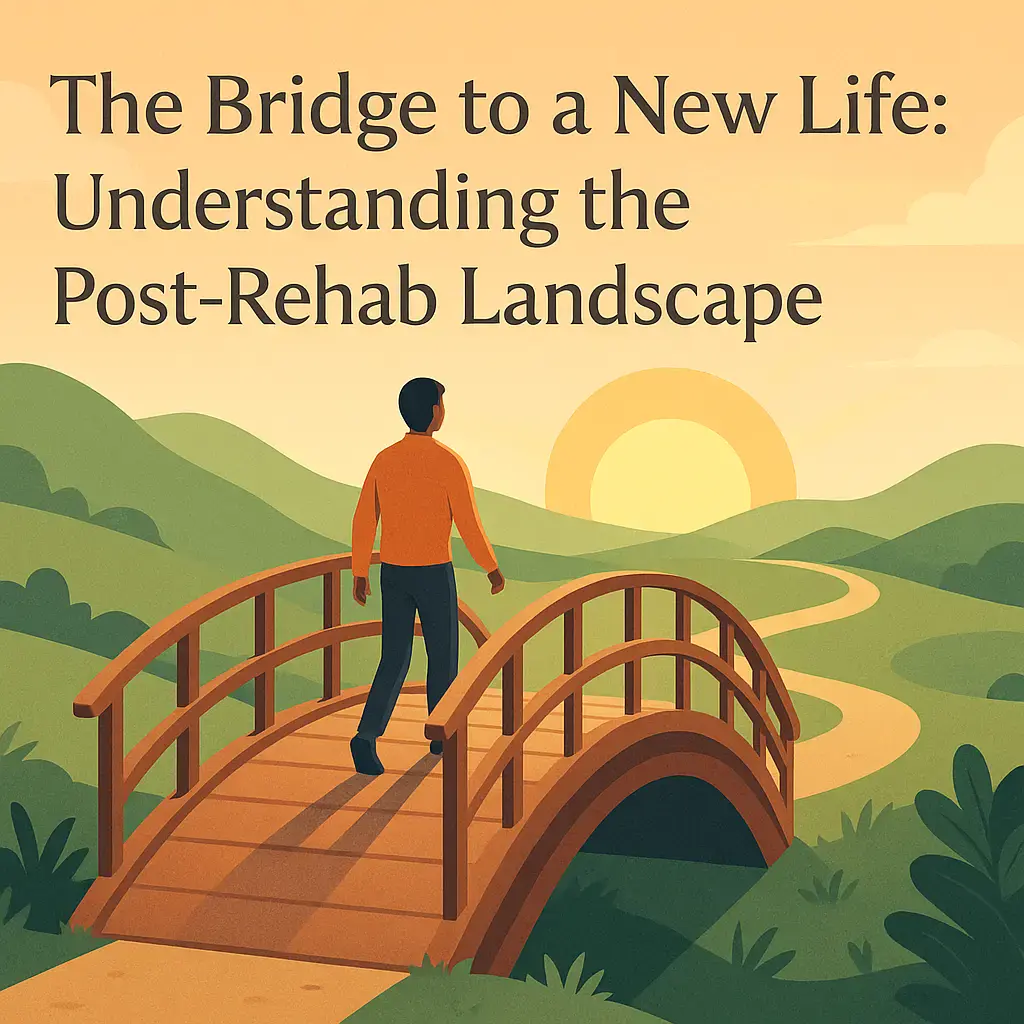
The Bridge to a New Life: Understanding the Post-Rehab Landscape
Leaving the sanctuary of a treatment facility can feel like stepping into a different world. The very structure that supported your initial recovery is gone, replaced by a sudden influx of freedom, responsibility, and unstructured time. Understanding the nature of this transition is the first step in successfully navigating it. The challenge is not simply to avoid substances, but to consciously build a new, purposeful structure for your life that can withstand the pressures of the outside world.
The “Structure Vacuum”
In rehab, your days are meticulously planned. You wake up at a set time, attend therapy sessions, participate in group meetings, exercise, and reflect, all within a safe and supportive community. This highly structured environment removes the burden of decision-making and provides a constant, predictable rhythm that fosters healing.
Upon returning home, this framework disappears, creating what can be called a “structure vacuum.” This void is more than just having free time; it’s the sudden absence of a clear path for your day. This lack of external structure can lead to significant decision fatigue. The mental energy required to plan meals, manage finances, schedule your time, and consistently make healthy choices can be exhausting, lowering your cognitive defenses and making you more vulnerable to old, familiar patterns of coping.
Navigating Newfound Freedom and Responsibilities
The autonomy you regain after rehab is a double-edged sword. While it represents a return to independence, it also brings a rush of responsibilities that can be overwhelming. You may need to find a job, meet financial obligations, rebuild relationships, and manage a household—all while navigating the delicate early stages of sobriety. The pressure to perform in these areas can be a significant source of stress, a well-known trigger for relapse. The stigma surrounding addiction can also create very real barriers to finding work or reconnecting with your community, adding another layer of difficulty to this transition.
Confronting the Emotional Void
For many, substance use was a way to fill time, numb difficult emotions, or cope with underlying feelings of emptiness. In sobriety, you are confronted with these feelings directly, often for the first time. Three powerful emotional challenges frequently emerge in the post-rehab landscape:
- Boredom: Previously, a great deal of time and energy was likely dedicated to obtaining, using, and recovering from substances. Without this, you may find yourself with vast stretches of empty time, leading to a profound sense of boredom that can be a dangerous trigger.
- Loneliness: Early recovery can be an isolating experience. You may have had to distance yourself from old friends or social circles that revolved around substance use, leading to feelings of loneliness and alienation. Building a new, sober social network takes time and effort.
- Lack of Purpose: The transition from a life centered on addiction to one focused on recovery can trigger an identity crisis. In rehab, your identity is clear: you are a person actively working on recovery. Back home, you must redefine your purpose and find new sources of meaning, which can be a daunting task.
The Psychological Shift
Beyond the external changes, the most significant work of early recovery happens internally. Rehab provides the tools to begin addressing the deep-seated issues that often fuel addiction, but the real test is applying those tools in your daily life. You will be challenged to confront trauma, shame, and guilt without the crutch of drugs or alcohol, a process that requires immense bravery and ongoing support. These unresolved psychological wounds and the anxieties associated with your past can interfere with mundane activities, making even simple tasks feel fraught with fear. Recognizing that this internal work is a central part of the journey is crucial for building lasting emotional resilience.
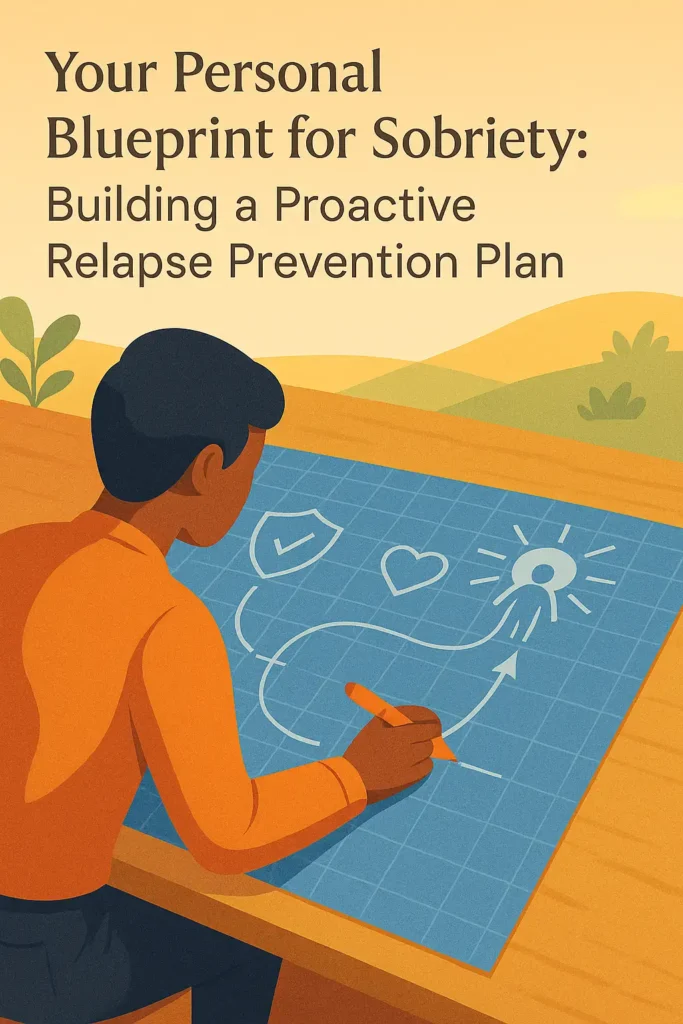
Your Personal Blueprint for Sobriety: Building a Proactive Relapse Prevention Plan
Moving from a reactive state of simply “not using” to a proactive state of building a vibrant, sober life requires a plan. A relapse prevention plan is your personal blueprint for sobriety. It is a dynamic, living document that empowers you to anticipate challenges and respond to them with strength and intention. The most effective plans are not generic; they are built on a deep understanding of your personal triggers and a toolkit of healthy coping mechanisms specifically chosen to replace the function that substances once served in your life.
Understanding and Identifying Your Triggers
The foundation of any effective prevention plan is self-awareness. Triggers are the internal and external cues that can spark a craving or the desire to use. Identifying them allows you to either avoid them or prepare to face them with a strategy in hand. Triggers generally fall into three categories:
- Emotional Triggers: These are internal states that you may have previously managed with substances. Common examples include stress, anger, anxiety, shame, depression, and loneliness.
- Environmental Triggers: These are external cues in your surroundings that your brain associates with past use. They can include specific people, places (like old neighborhoods or bars), objects, or even certain times of day.
- Social Triggers: These involve your interactions with other people. Peer pressure, family conflicts, or attending events where substances are present can all act as powerful social triggers.
To identify your unique triggers, regular self-monitoring is essential. Keeping a journal can be an invaluable tool for this process. By documenting your feelings, situations, and cravings, you can begin to see patterns emerge, giving you the critical information needed to build your plan.
Mastering Healthy Coping Mechanisms: Your Functional Replacement Toolkit
Healthy coping mechanisms are more than just distractions; they are functional replacements for the role that substances played. Addiction is not just a habit; the substance serves a purpose—it may have been a tool for stress relief, social connection, or escape from painful feelings. Therefore, your relapse prevention plan is most powerful when it directly replaces that function. Ask yourself:
What purpose did my substance use serve? Then, select coping skills that fulfill that same need in a healthy, life-affirming way.
This involves building a comprehensive toolkit of strategies that address your mind, body, and spirit:
- For Stress and Emotional Regulation: Instead of turning to a substance to unwind, develop practices that calm your nervous system. Mindfulness, meditation, and deep breathing exercises are scientifically proven methods to manage stress and anxiety. Yoga combines physical movement with mindfulness, making it a particularly powerful tool.
- For Cognitive Control: Cravings are often accompanied by irrational thoughts. Practice cognitive restructuring to challenge and reframe these negative thought patterns. A powerful technique is “Playing the Tape Through,” where you consciously think past the initial momentary relief of using and visualize the full, negative consequences that would follow—the guilt, the health effects, the damage to relationships.
- For Boredom and Purpose: Actively fill the “structure vacuum” with new, healthy hobbies and interests. Activities like gardening, learning a musical instrument, painting, or cooking can provide a sense of accomplishment and joy. Volunteering or helping others can be a profound way to find a new sense of purpose and connect with your community.
- For Physical and Mental Well-being: Your physical health is the foundation of your mental resilience. Prioritizing a routine of regular exercise, a balanced diet, and adequate sleep is non-negotiable. These fundamentals help restore your body’s natural chemistry and significantly improve your mood and ability to handle stress.
- For Processing Emotions: Journaling provides a safe outlet to explore your feelings without judgment. It can help you gain clarity, process difficult experiences, and track your progress over time.
In moments of high stress or intense craving, your ability to think clearly can be compromised. Having a simple, immediate action plan is critical. The table below serves as a quick-reference guide—an emotional first-aid kit to help you respond effectively in the moment.
| When You Feel/Face This Challenge… | Try This Immediate, Healthy Action… |
| Intense Craving | Call your sponsor or support person immediately. Use a grounding technique (name 5 things you see, 4 you feel, 3 you hear, 2 you smell, 1 you taste). “Play the tape through” to the consequences. |
| Stress or Anxiety | Practice 5 minutes of deep, slow breathing. Go for a brisk walk or do some stretching. Listen to a pre-made calming music playlist. |
| Loneliness or Isolation | Go to a support group meeting, either in-person or online. Call a friend or family member who supports your recovery. Engage in a hobby that connects you with others (e.g., a sports league, a book club). |
| Boredom | Work on a pre-planned project or hobby. Listen to an engaging podcast or read a book. Create a gratitude list in your journal. |
| Anger or Frustration | Engage in intense physical exercise like running or lifting weights. Write down your feelings in a journal without judgment. Step away from the situation to cool down before responding. |
| A High-Risk Social Situation | Have an exit strategy planned in advance. Bring your own non-alcoholic drink. Have a support person you can text or call for in-the-moment help. |
Creating Your Emergency Action Plan
Despite your best efforts, you may find yourself in a moment of crisis. Having a clear emergency action plan can be the difference between a momentary struggle and a full-blown relapse. This plan should be written down and easily accessible.
Include an emergency contact list with the names and numbers of your sponsor, therapist, trusted family members or friends, and local or national helplines like SAMHSA’s National Helpline (1−800−662−HELP).
Crucially, your plan should also include immediate steps to take if a relapse occurs. The goal is to interrupt the cycle of shame and get back on the path of recovery as quickly as possible. This involves contacting your support system immediately, being honest about what happened, and reviewing your prevention plan to identify what went wrong and how you can strengthen it for the future.
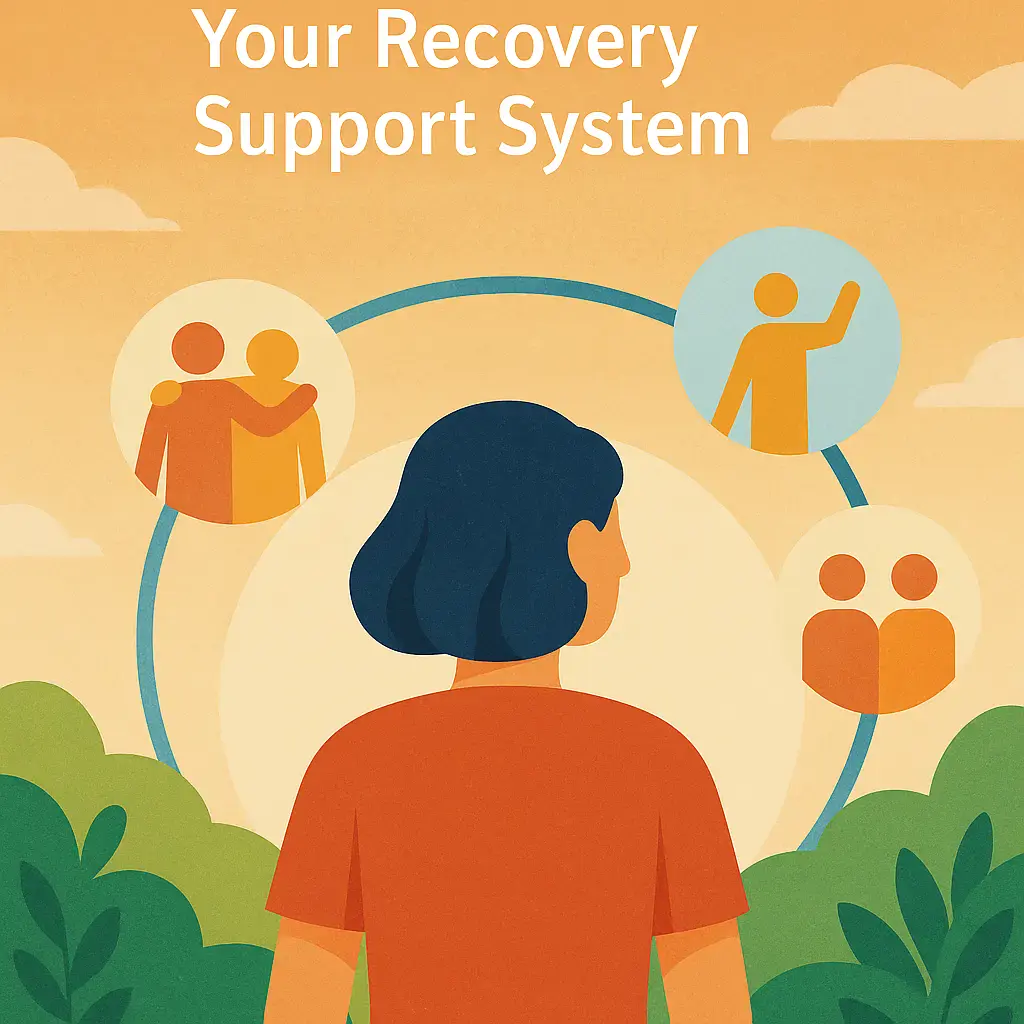
You Are Not Alone: Assembling Your Recovery Support System
Addiction thrives in isolation; recovery flourishes in connection. Building a robust, multi-layered support system is one of the most critical and protective actions you can take for your long-term sobriety. This network provides the emotional encouragement, practical guidance, and vital accountability needed to navigate the challenges of recovery. The process is an active one, involving both the cultivation of new, healthy relationships and the careful management of existing ones.
The Pillars of Your Support Network
A strong support system is not monolithic; it is composed of different pillars, each providing a unique form of strength. A well-rounded network should include:
- Peer Support: Connecting with others who have shared experiences is incredibly powerful. This community provides a judgment-free zone where you can be honest about your struggles and celebrate your victories. This pillar includes 12-Step programs like Alcoholics Anonymous (AA) and Narcotics Anonymous (NA), as well as other mutual-help groups like SMART Recovery. Rehab alumni groups are another excellent resource for maintaining connections with people who understand your journey.
- Professional Support: Your recovery journey should be guided by experts. Continue to work with therapists, counselors, or addiction specialists who can provide evidence-based strategies and help you work through underlying mental health issues like trauma, depression, or anxiety.
- Personal Support: Lean on trusted family members and sober friends who are genuinely supportive of your recovery. It is vital that these individuals are educated about the nature of addiction and understand how to best support you without enabling old behaviors. Family therapy can be an invaluable tool for healing relationships and establishing a healthy home environment.
- Sponsors or Mentors: Within peer support groups, a sponsor is an experienced individual in recovery who provides one-on-one guidance, support, and accountability. This relationship can be a cornerstone of your recovery, offering a direct line to someone who has successfully navigated the path you are on.
The Hard Work of Healthy Relationships: Rebuilding and Setting Boundaries
Building a support system is a dual process of “addition and subtraction.” While you are actively cultivating new, healthy connections, you must also address your existing relationships, which is often the more challenging part of the equation.
Active addiction frequently causes significant damage to relationships with loved ones. Rebuilding that trust is a slow process that requires patience, consistency, and a commitment to making amends. This is not a one-time event but an ongoing effort to demonstrate your dedication to a new way of life.
Simultaneously, you must learn to set and maintain healthy boundaries. This is a critical skill for protecting your sobriety. It means learning to say “no” to people, places, and situations that threaten your recovery. This can be incredibly difficult, especially with long-time friends or family members. It may involve asking people not to use substances around you, declining invitations to high-risk events, or limiting contact with individuals who are unsupportive of your recovery. In some cases, you may have to make the painful but necessary decision to end relationships that are fundamentally toxic to your well-being and sobriety. This act of self-preservation is not selfish; it is an essential part of prioritizing your new life.
Sustaining Your Progress: The Indispensable Role of Aftercare
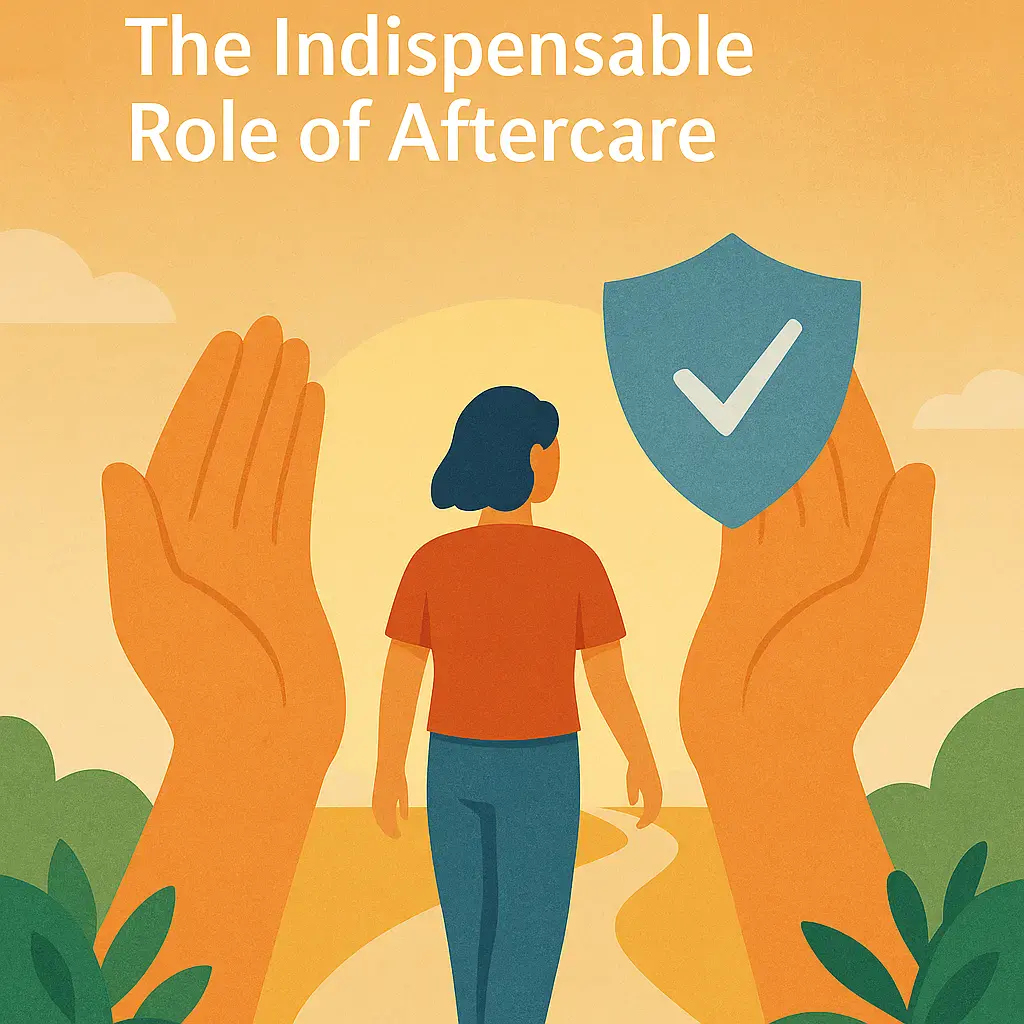
Treatment does not end the day you walk out of a rehab facility. In fact, one of the most critical phases of your recovery is just beginning. Aftercare, also known as continuing care, is not an optional add-on; it is an essential, integrated component of a comprehensive treatment plan designed to manage a chronic condition. The period immediately following residential treatment is when you are most vulnerable, with the risk of relapse being highest in the first few months. Aftercare is the structured, supportive bridge that guides you across this high-risk gap, helping you translate the skills you learned in treatment into the reality of your daily life.
The Bridge from Rehab to Real Life
Aftercare’s primary function is to provide a safety net during the transition from the controlled environment of rehab to the unstructured demands of the outside world. It actively addresses the “structure vacuum” by providing continued accountability, support, and a clear path forward. Programs that view recovery as a long-term process and integrate aftercare planning from day one are setting their clients up for the greatest chance of success.
Leading treatment programs recognize that recovery is a continuous journey, not a single event. This understanding is the foundation of comprehensive care models, such as the “4 Phases 1 Experience” at the Costa Rica Treatment Center. In this holistic, evidence-based approach, later phases focusing on transferring responsibility and clean living are seamlessly integrated into the treatment plan from the beginning. This ensures that aftercare is not an afterthought, but a planned and supported bridge to a new life, reinforcing the skills needed for sustained sobriety at the very moment they are most needed.
Components of a Strong Aftercare Plan
An effective aftercare plan is tailored to your individual needs and may evolve as you progress in your recovery. It typically includes a combination of the following components:
- Ongoing Therapy and Counseling: Continuing with individual, group, or family therapy allows you to keep working on the root causes of addiction, monitor your progress, and develop advanced coping strategies.
- Sober Living Homes: For those who lack a stable, supportive, and substance-free home environment, sober living homes can be a crucial transitional step. These residences provide structure, peer support, and accountability as you gradually reintegrate into the community.
- Alumni Programs: Staying connected with the treatment center and your peers from rehab provides a powerful sense of community and ongoing support. These programs often host sober social events and provide resources to help you stay engaged in your recovery.
- Support Groups: Continued, active participation in mutual-help groups like AA or NA remains a cornerstone of long-term recovery for many. These groups provide a consistent source of peer support, accountability, and inspiration.
Committing to a robust aftercare plan is one of the most powerful investments you can make in your future. It is the framework that supports your new life, solidifies the fragile gains made in treatment, and provides the resources you need to build a lasting, meaningful recovery.
Embracing a Fulfilling Life in Recovery
The journey from active addiction to sustained sobriety is a profound transformation. It is a path that requires courage, commitment, and a willingness to build a new life from the ground up. Lasting recovery is not just about abstaining from substances; it is about creating a life so rich, authentic, and purposeful that you no longer need to escape from it.
As you move forward, remember the four pillars that will support your new foundation:
- Proactively build a new life structure to fill the void left by rehab and addiction.
- Master a personalized toolkit of functional coping mechanisms that serve as healthy replacements for the role substances once played.
- Cultivate a multi-layered support system of peers, professionals, and loved ones who will walk alongside you.
- Commit to aftercare as the vital bridge that connects the safety of treatment to the reality of a long-term, thriving recovery.
This journey is a marathon, not a sprint. There will be challenges, but you now possess the tools and the awareness to meet them. Every day you choose recovery, you are choosing yourself. You are reclaiming your health, your relationships, and your future.
Your journey to a new life is yours to claim. It begins with the courageous decision to seek help and continues with the daily commitment to build a life of purpose and peace. A dedicated, compassionate team that understands every phase of the recovery experience can provide the foundation you need to succeed.