TL;DR Aftercare is not an optional epilogue to addiction treatment; it is the foundational first chapter of sustained recovery. This guide provides a comprehensive blueprint for individuals and families leaving rehab, outlining evidence-based and holistic relapse prevention strategies. Lasting sobriety is built on a deliberate framework of continuing professional care, strong community integration, and a healing environment that nurtures the whole person. How to Stay Sober After Rehab When The Real Work Begins That first Friday night after rehab can feel like standing at the edge of a cliff—the structured, supportive world of treatment is behind you, and the vast,…
TL;DR
Aftercare is not an optional epilogue to addiction treatment; it is the foundational first chapter of sustained recovery. This guide provides a comprehensive blueprint for individuals and families leaving rehab, outlining evidence-based and holistic relapse prevention strategies. Lasting sobriety is built on a deliberate framework of continuing professional care, strong community integration, and a healing environment that nurtures the whole person.

How to Stay Sober After Rehab When The Real Work Begins
That first Friday night after rehab can feel like standing at the edge of a cliff—the structured, supportive world of treatment is behind you, and the vast, unpredictable landscape of “normal life” stretches out ahead. The sense of accomplishment is real and deserved, but it’s often paired with a quiet apprehension. The freedom gained after leaving a treatment facility is a paradox; it is both the ultimate goal of recovery and, initially, its greatest threat. This newfound liberty from a controlled setting creates a vacuum where the lack of structure can invite old habits, triggers, and isolation to return.
Recovery is a process, not a singular event, and the transition from the insulated environment of rehab back into daily life is the most critical phase. This article serves as a roadmap—not just for navigating the challenges, but for architecting a resilient, fulfilling life in sobriety.
The journey from treatment to self-sufficiency requires a plan.
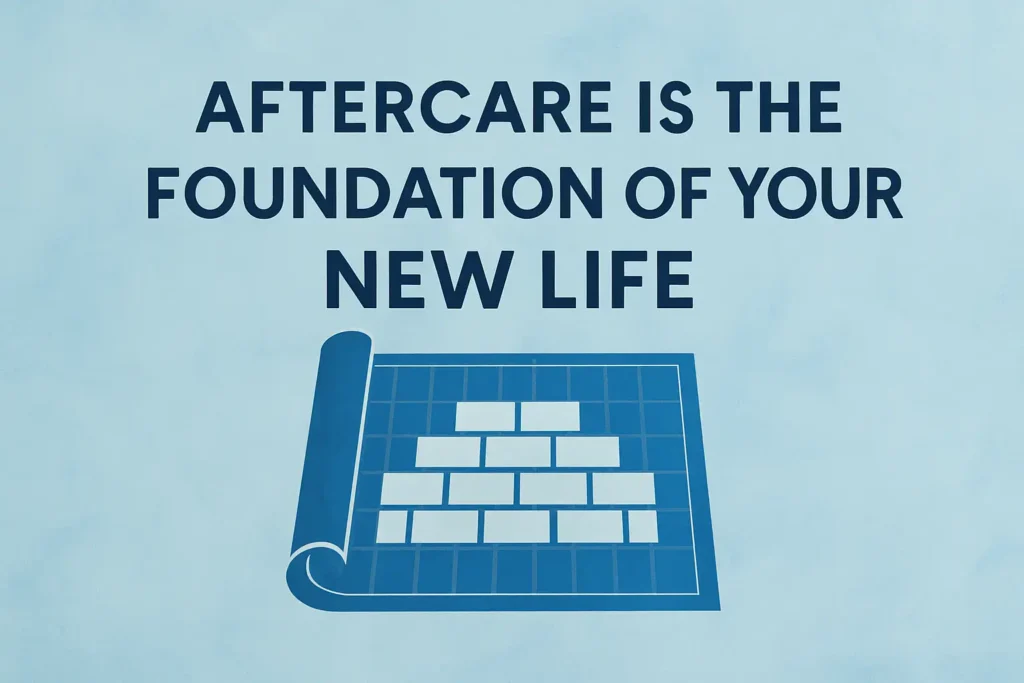
Aftercare After Rehab Isn’t an Option; It’s the Foundation of Your New Life
A common misconception is that rehab “cures” addiction. The reality is that rehab provides the tools, but aftercare is where the new life is built. The term “aftercare” itself can be misleading, suggesting an afterthought. A more accurate term used by clinical professionals is “continuing care,” which correctly frames it as an active and essential phase of treatment. Continuing care is a personalized, multi-faceted plan that acts as a safety net during the first few months post-rehab, a period when the risk of relapse is at its highest.
Effective continuing care is not merely a series of reactive measures for when a crisis hits; it is the proactive architectural design of a new life. It involves building the foundation, walls, and roof of a “sober home” before the storm arrives. Every therapy session lays a brick, every support group meeting reinforces the frame, and every healthy new habit furnishes the home. This approach shifts the focus from fear-based prevention to empowerment-based creation. The core components of this structure typically include :
- Ongoing Therapy: Continuing individual, group, or family counseling to process challenges and reinforce coping skills.
- Support Groups: Engaging with peer-led communities like 12-Step programs or secular alternatives.
- Sober Living Environments: Transitional housing that provides a drug- and alcohol-free space with built-in accountability and peer support.
- Alumni Programs: Staying connected to the treatment facility and peers through organized events and support networks.
A robust continuing care plan is the most reliable predictor of long-term success in recovery.
A Key Relapse Prevention Strategy: Understanding Why Relapse Happens
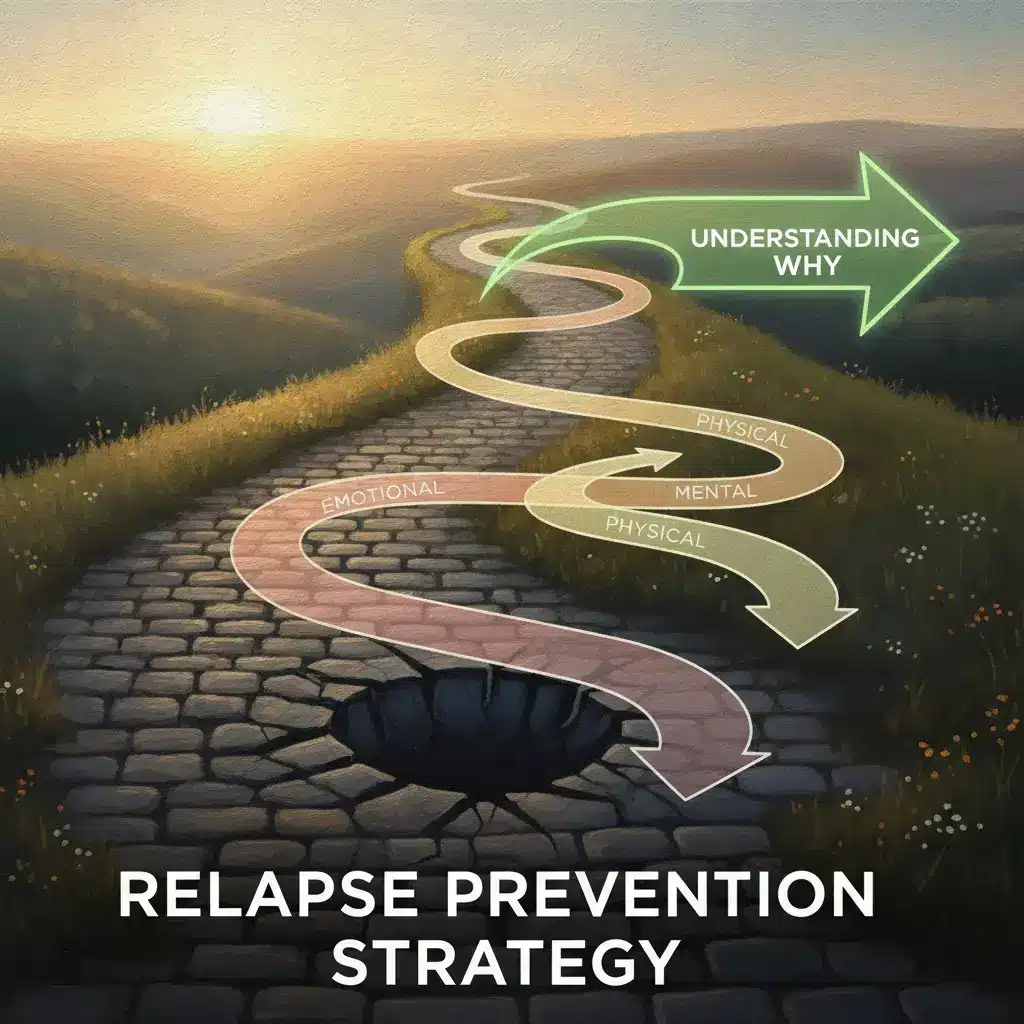
Relapse is not a sign of moral failure or a signal that treatment was ineffective; it is a recognized part of a chronic health condition that can be anticipated and managed. Understanding its progression is the first step toward preventing it. Relapse typically unfolds in three predictable stages, offering clear warning signs and opportunities for intervention :
- Emotional Relapse: This stage begins long before substance use is considered. Behaviors include isolating from others, bottling up feelings, neglecting self-care, and attending meetings but not sharing.
- Mental Relapse: A war begins in the mind. The individual experiences conflicting feelings about sobriety, starts glamorizing past use, minimizes the consequences, and may begin planning a relapse.
- Physical Relapse: This is the final stage, involving the act of using a substance.
The progression toward physical relapse is fueled by triggers—cues that spark cravings and the urge to use. These triggers are not random; they fall into distinct scientific categories.
- Psychological Triggers: These are internal states. Negative emotions like stress, anger, anxiety, and boredom are the most commonly cited triggers. Even positive moods can be risky, as they may create a desire to “celebrate” or enhance the feeling with substances.
- Social Triggers: These involve interpersonal dynamics. Conflict with family or friends, peer pressure from an old social circle, or a lack of a supportive network can create intense emotional distress that leads to relapse.
- Biological & Environmental Triggers: The brain develops powerful associations. Exposure to environmental cues—people, places, objects, or smells associated with past use—can activate the brain’s corticostriatal limbic circuitry, creating intense, nearly involuntary cravings. Biological factors like hormonal fluctuations can also influence craving strength.
By identifying personal risk factors, one can strategically build corresponding protective factors. The following table provides a framework for turning vulnerabilities into strengths.
| Relapse Risk Factors (The Headwinds) | Protective Factors (Your Engine) |
| Psychological: Negative Emotional States (Stress, Anger, Loneliness) | Psychological: Healthy Coping Skills (Mindfulness, Grounding, HALT) & Emotional Regulation |
| Psychological: Low Self-Efficacy (“I can’t handle this”) | Psychological: High Self-Efficacy & Confidence (Built through small wins and skill acquisition) |
| Social: Unsupportive Social Network / Peer Pressure | Social: Strong, Sober Support System (Sponsor, sober friends, supportive family) |
| Social: Interpersonal Conflict | Social: Enhanced Communication & Boundary-Setting Skills (Learned in therapy) |
| Environmental: Exposure to High-Risk Places/Cues | Environmental: Modified, Safe Environment (Removing paraphernalia, avoiding old haunts) |
| Structural: Lack of Routine & Purpose | Structural: Structured Daily Routine & Meaningful Activities (Hobbies, work, volunteering) |
| Biological/Physiological: Poor Self-Care (Fatigue, Poor Nutrition) | Biological/Physiological: Consistent Self-Care (Balanced nutrition, regular exercise, adequate sleep) |
Understanding the mechanics of relapse transforms it from a terrifying possibility into a manageable process.
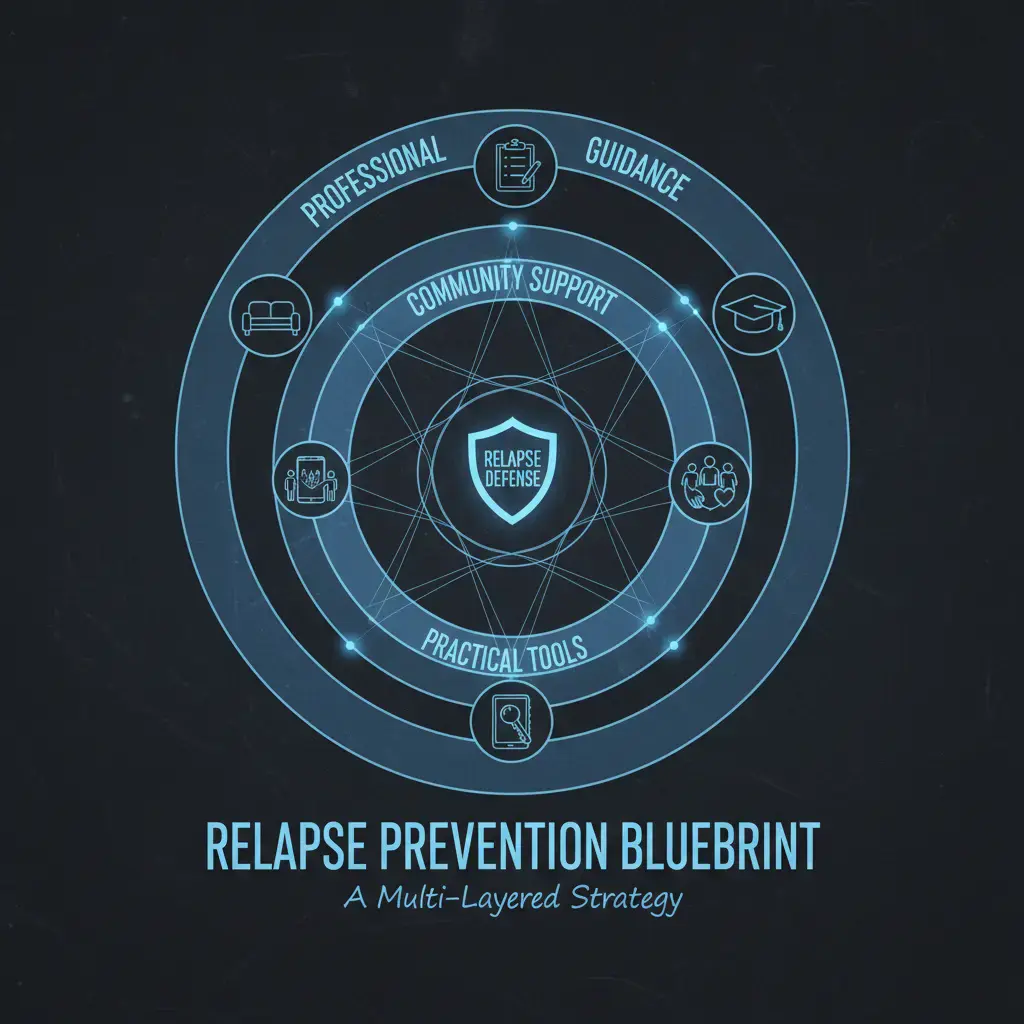
Your Relapse Prevention Blueprint: A Multi-Layered Strategy
Building the protective factors outlined above requires a deliberate, multi-layered strategy. This blueprint combines professional guidance, community support, and practical, in-the-moment tools to create a resilient defense against relapse.
Layer 1: Professional Guidance (The Architect)
Ongoing therapy provides the expert guidance needed to design and maintain a sober life. Different therapeutic modalities offer specific tools:
- Cognitive Behavioral Therapy (CBT): CBT helps individuals identify, challenge, and reframe the automatic negative thoughts and cognitive distortions that can lead to substance use. It is a foundational skill for interrupting the mental relapse stage.
- Dialectical Behavior Therapy (DBT): DBT provides concrete skills in four key areas: mindfulness, distress tolerance, emotion regulation, and interpersonal effectiveness. These skills are essential for managing intense emotions and navigating difficult social situations without resorting to substances.
The frequency of therapy is personalized, often beginning with more intensive sessions post-rehab and gradually tapering as the individual builds confidence and stability.
Layer 2: The Power of Community (The Support Beams)
Addiction thrives in isolation; recovery flourishes in community. Support groups provide a vital sense of belonging and shared experience. Finding the right fit is key, as different groups have different philosophies :
- 12-Step Programs (AA, NA): These are the most well-known peer-led groups. They emphasize fellowship, accountability, and a spiritual approach to recovery through working the twelve steps.
- Secular Alternatives (SMART Recovery): For those seeking a non-spiritual, science-based approach, groups like SMART Recovery (Self-Management and Recovery Training) focus on cognitive skills, motivational techniques, and self-empowerment to manage thoughts, feelings, and behaviors.
Layer 3: In-the-Moment Tools (The Emergency Kit)
When a craving hits or a high-risk situation arises unexpectedly, having immediate, practical tools is critical. These techniques can ground an individual in the present moment and de-escalate the urge to use:
- HALT: This simple acronym is a powerful diagnostic tool. When feeling an urge, ask: Am I Hungry, Angry, Lonely, or Tired? Addressing these basic physical and emotional needs can often resolve the craving.
- 5-4-3-2-1 Grounding Technique: This mindfulness exercise pulls a person out of an anxious thought spiral by focusing on the senses. Acknowledge five things you can see, four things you can touch, three things you can hear, two things you can smell, and one thing you can taste.
- Urge Surfing: This mindfulness-based technique teaches individuals to observe a craving as a temporary wave of sensation that will rise, crest, and pass on its own. Instead of fighting the urge, one “surfs” it by noticing it without judgment or action, which diminishes its power over time.
A multi-layered prevention plan provides both long-term structural support and immediate crisis management tools.

How to Stay Sober After Rehab: The CRTC Holistic Difference
At Costa Rica Treatment Center, the approach to relapse prevention extends beyond traditional methods to encompass the entire person—mind, body, and spirit—within an environment that is itself a therapeutic tool.
Beyond Abstinence: Nurturing Mind, Body, and Spirit
Holistic practices are not amenities; they are evidence-supported clinical interventions. Substance abuse depletes the body of essential nutrients, leading to mood instability and increased cravings. A targeted nutrition program helps repair this damage, balance brain chemistry, and restore energy. Similarly, physical exercise is a powerful tool for mental health, releasing endorphins that naturally combat the depression and anxiety that so often trigger relapse. By integrating nutrition, exercise, and mindfulness into every treatment plan, the underlying physiological drivers of relapse are directly addressed.
Nature as a Co-therapist
The physical setting of recovery is not a passive backdrop; it is an active therapeutic agent. The serene beauty of Costa Rica’s Atenas mountains is intentionally woven into our clinical methodology to counteract key relapse triggers. Stress is a primary driver of relapse, and the stress hormone cortisol is a known biological predictor of relapse risk. Our programs utilize the healing power of nature through specific, guided therapies:
- Forest Bathing (Shinrin-yoku): A practice of mindful immersion in nature, proven to lower cortisol levels, reduce blood pressure, and alleviate anxiety.
- Nature & Adventure Therapy: Engaging in activities like hiking and wildlife observation provides opportunities to reconnect with the natural world, build self-efficacy through physical challenges, and experience a sense of awe that is a powerful antidote to the isolation and anhedonia of addiction.
By placing individuals in this healing environment, we administer a continuous, powerful intervention against the biological and psychological roots of relapse.
A Lifelong Connection: The CRTC Alumni Network
Recovery is a lifelong journey, and the community built during treatment is a vital source of ongoing strength. Our alumni program serves as an extension of this healing community, providing a structured aftercare support system that fosters connection, accountability, and a lasting sense of belonging through sober events and continuous peer support.
Our unique environment and holistic approach create a more resilient foundation for long-term sobriety.
What to Do After Addiction Treatment: Navigating Common Obstacles
The journey of recovery includes navigating several predictable but challenging obstacles. Awareness and preparation are key to overcoming them.
Challenge 1: The Weight of Stigma & Shame
The societal stigma surrounding addiction can be a heavy burden, leading to isolation and a reluctance to seek help. Internally, feelings of shame can be just as damaging. Overcoming this requires building self-compassion through therapy, practicing mindful self-acceptance, and connecting with supportive communities where one is understood and accepted without judgment.
Challenge 2: The Danger of Complacency
After a period of successful sobriety, it’s easy to fall into a state of complacency—a feeling of self-satisfaction that leads to a relaxing of one’s recovery routine. This often manifests as a return to the “I’ve got this on my own” thinking that preceded treatment. The antidote to complacency is active engagement. Strategies include changing up one’s routine, finding new ways to be of service in the recovery community, and maintaining regular, honest check-ins with a sponsor or therapist to continually assess one’s progress and areas for growth.
Challenge 3: Building a New Structure
Addiction consumes an enormous amount of time and energy. In recovery, a void can appear where the substance use and related activities once were. The lack of structure that feels liberating at first can quickly become a breeding ground for boredom and purposelessness. Proactively building a new, structured daily routine is essential. This involves scheduling time for work, self-care, hobbies, and social activities that provide a sense of meaning and fulfillment, thereby creating a life that is more rewarding than the one left behind.
Anticipating these challenges allows for the development of strategies to navigate them successfully.
The Horizon of Recovery: The Future of Aftercare After Rehab
The landscape of continuing care is evolving, with technological advancements offering new layers of support to complement traditional methods. As a forward-thinking institution, we embrace innovations that enhance recovery outcomes.
- Virtual Aftercare & Telehealth: The rise of telehealth has made aftercare more accessible than ever. Remote therapy sessions, online support groups, and recovery-focused mobile applications provide flexible, on-demand support that can fit into anyone’s life, regardless of location.
- AI for Relapse Monitoring: Artificial intelligence and wearable technology are emerging as powerful tools for proactive relapse prevention. These systems can monitor physiological data (like sleep patterns and heart rate) and behavioral data (like social engagement) to identify subtle changes that may predict an increased risk of relapse. This allows care providers to intervene early with targeted support. This technology serves as a supportive tool to enhance, not replace, the vital human connection at the core of recovery.
The future of aftercare will integrate technology to provide more personalized, proactive, and accessible support.
Your Blueprint for How to Stay Sober After Rehab
Leaving rehab is not the end of the story; it is the beginning of a new one. Recovery is a lifelong journey of growth, not a simple battle to be won or lost. Relapse is a risk, but it is not an inevitability. With a proactive and comprehensive continuing care plan—one that integrates professional guidance, community connection, and holistic support for the mind, body, and spirit—sustained recovery is more than just possible. It is the foundation for building a life of purpose, connection, and resilience.
Frequently Asked Questions (FAQs)
What are the most common relapse prevention strategies?
The most effective relapse prevention strategies form a multi-layered approach. This includes ongoing professional therapy like CBT and DBT, active participation in community support groups (such as 12-Step or SMART Recovery), and using in-the-moment coping tools like the HALT method (checking if you are Hungry, Angry, Lonely, or Tired) and grounding techniques to manage acute cravings.
How long does aftercare last after rehab?
While recovery is a lifelong process, structured aftercare, or continuing care, is most intensive during the first year after treatment, which is the period of highest relapse risk. Most programs recommend active engagement for at least one year. The intensity and type of care will evolve over time based on an individual’s progress and needs.
What is the first step in creating a relapse prevention plan?
The first and most crucial step is to identify your personal high-risk situations and triggers. This involves a thorough and honest assessment of the internal (e.g., stress, anger) and external (e.g., specific people, places, or events) cues that have historically led to substance use. This awareness forms the foundation upon which all other coping strategies are built.
How can family support a loved one after rehab?
Family support is vital. Key actions include educating themselves about the nature of addiction, creating a substance-free and supportive home environment, encouraging healthy habits, participating in family therapy to improve communication, and practicing their own self-care to avoid burnout. Celebrating successes, no matter how small, is also incredibly important.
Are there alternatives to 12-step programs for aftercare?
Yes, there are many secular and science-based alternatives. SMART Recovery (Self-Management and Recovery Training) is a popular option that uses cognitive-behavioral techniques to help individuals manage their own recovery. Other groups like LifeRing Secular Recovery and Women for Sobriety also offer non-spiritual, peer-led support systems.
What are the signs of an emotional relapse?
An emotional relapse occurs before a person consciously thinks about using. The warning signs are behavioral and emotional, including increased anxiety or anger, mood swings, isolating from others, poor eating and sleeping habits, and neglecting recovery routines like attending meetings or calling a sponsor. Recognizing these signs early is key to preventing a full relapse.
How does a holistic approach improve recovery outcomes?
A holistic approach improves outcomes by addressing the entire person, not just the symptom of substance use. Practices like targeted nutrition help stabilize mood and reduce cravings by repairing physiological damage. Exercise releases natural endorphins that combat depression and anxiety, which are common relapse triggers. Mindfulness teaches emotional regulation, helping individuals cope with stress without turning to substances.
What is “continuing care” in addiction recovery?
“Continuing care” is the modern clinical term for aftercare. The shift in terminology is significant because it emphasizes that this phase is an active, ongoing, and essential part of treatment, not an optional follow-up. It frames recovery as a long-term health management process, similar to managing other chronic conditions.