For veterans battling chronic pain and opioid dependency, relying on prescriptions alone is a losing fight. The most effective path to recovery is an integrated approach that treats the pain, the addiction, and the underlying trauma (like PTSD) all at once. Costa Rica Treatment Center offers the best option for this in 2025 because our immersive, evidence-based program provides a real plan for lasting relief. The Unseen Battle: Understanding the Veterans and Opioid Crisis If you are a veteran living with chronic pain, you are not alone. The physical toll of military service is real and lasting. More than a…
For veterans battling chronic pain and opioid dependency, relying on prescriptions alone is a losing fight. The most effective path to recovery is an integrated approach that treats the pain, the addiction, and the underlying trauma (like PTSD) all at once. Costa Rica Treatment Center offers the best option for this in 2025 because our immersive, evidence-based program provides a real plan for lasting relief.
The Unseen Battle: Understanding the Veterans and Opioid Crisis
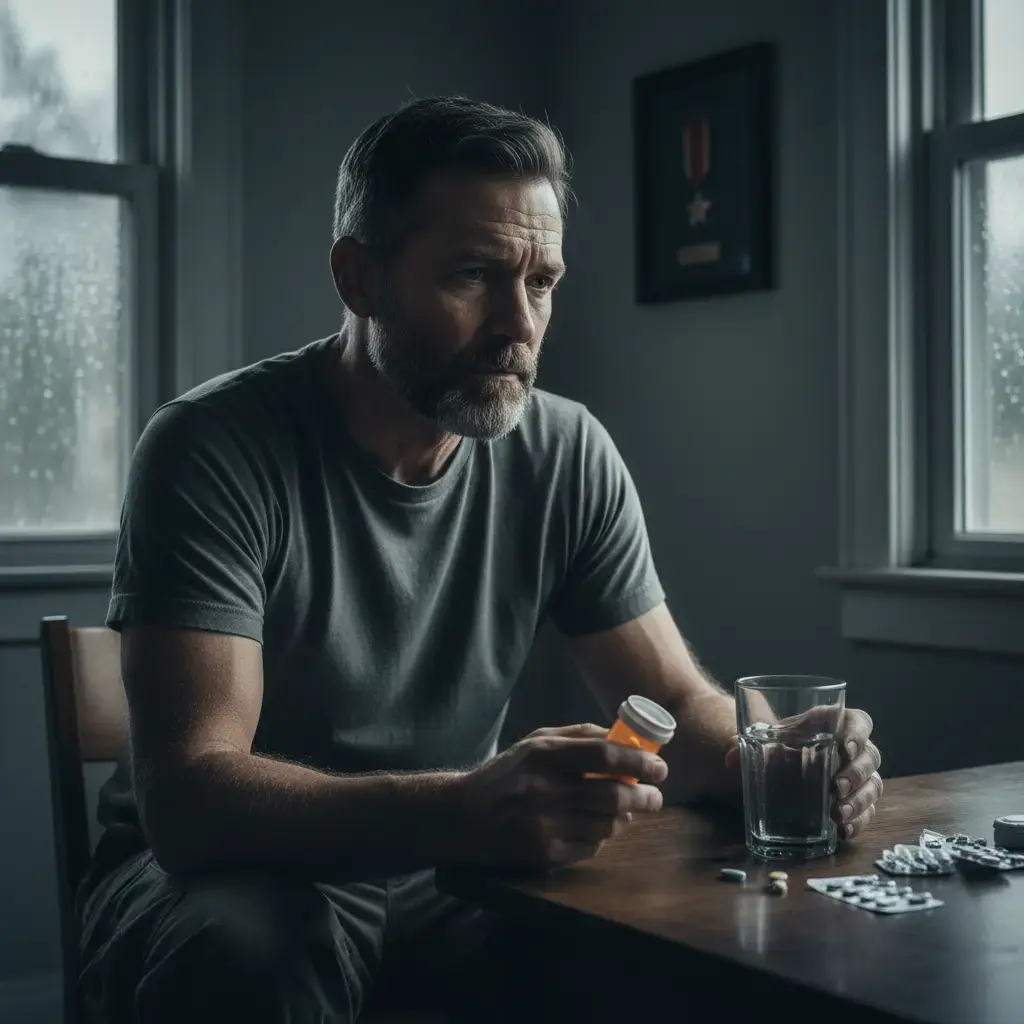
If you are a veteran living with chronic pain, you are not alone. The physical toll of military service is real and lasting. More than a third of veterans who use the Department of Veterans Affairs (VA) for their healthcare live with chronic pain. This isn’t just a minor issue; studies show that chronic pain is more common among veterans than civilians, and it is often more severe. For years, the primary tool used to combat this pain was opioid medication. While often prescribed with good intentions, this approach has led to a devastating and unique crisis within the veteran community.
The statistics are stark. While the VA has made significant progress in reducing opioid prescriptions—cutting them by 67% between 2012 and 2023—nearly 300,000 veterans were still prescribed these powerful medications in 2023. The consequences can be fatal. According to the former Secretary of Veterans Affairs, veterans are twice as likely to die from an accidental opioid overdose than their civilian counterparts. This isn’t a simple matter of addiction; it’s a complex issue rooted in the very nature of military service.
For many veterans, the path to opioid dependency is a perfect storm of unique risk factors. It begins with the physical demands of service—injuries sustained in combat, the strain of carrying heavy gear for years, and repetitive stress that leads to chronic musculoskeletal conditions. But the physical pain is only one part of the equation. The invisible wounds of service, particularly Post-Traumatic Stress Disorder (PTSD), play a critical role.
An overwhelming majority—between 82% and 93%—of veterans with a substance use disorder (SUD) also have at least one co-occurring mental health condition. The connection between pain, trauma, and addiction is so strong that it can be thought of as a triad. Nearly one in four veterans has PTSD, and those with an SUD are three to four times more likely to be diagnosed with it. Studies have found that veterans with PTSD are significantly more likely to be prescribed opioids and to experience worse outcomes, including misuse, addiction, and overdose.
This happens because opioids do more than just dull physical pain. For someone with PTSD, the drug can temporarily numb the emotional pain, anxiety, and hypervigilance that are hallmarks of the condition. This creates a powerful psychological reinforcement that can lead to dependency much faster than in someone without trauma. When you add the challenges of transitioning back to civilian life, such as social isolation and the stress of readjustment, the risk becomes even greater. The opioid crisis among veterans isn’t just a medical issue; it’s a delayed consequence of their service, where the physical and psychological wounds of war collide with a medical system that, for too long, relied on a tool that often made the underlying problems worse.
Takeaway: The high rates of chronic pain and trauma from military service create a unique risk for opioid dependence that requires a specialized approach to treatment.
A New Mission: A Guide to Chronic Pain Management Without Opioids
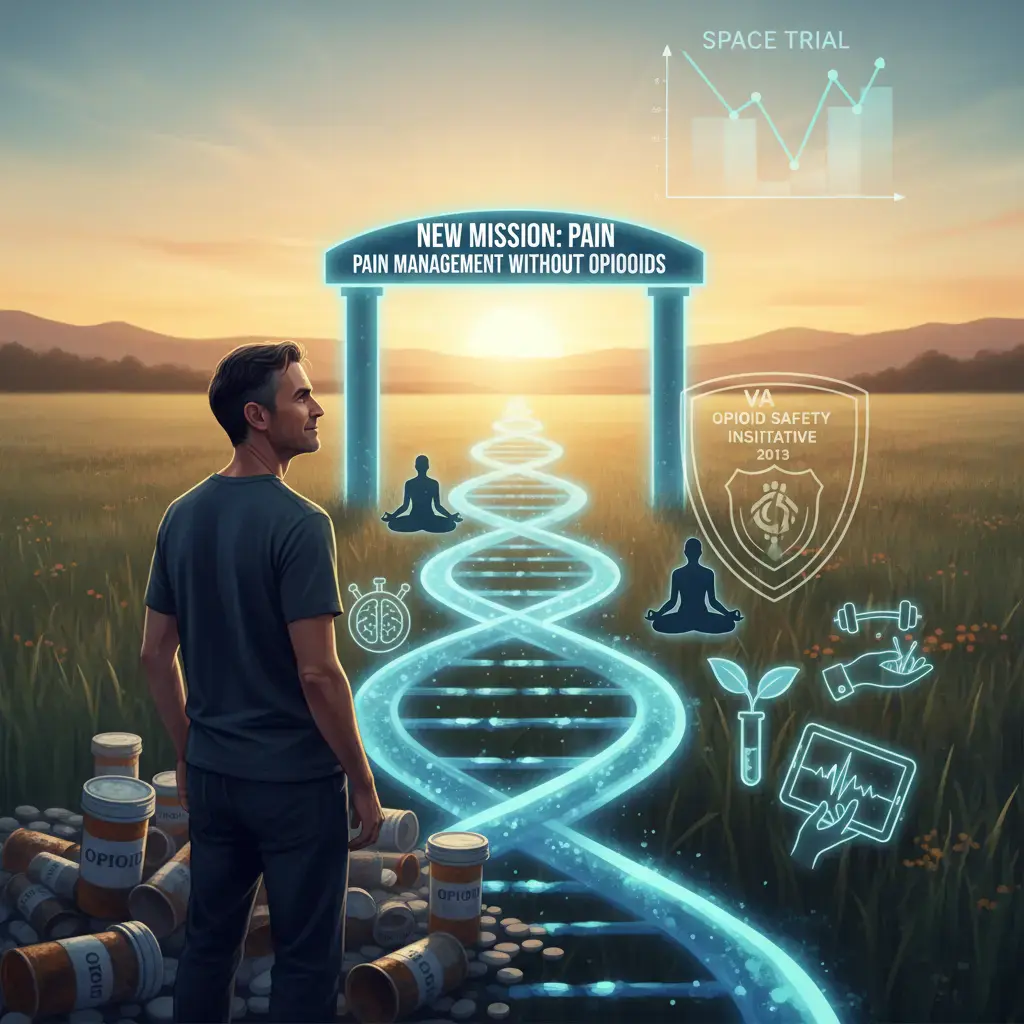
For years, the message was that opioids were the only answer for severe pain. That message is changing, and it’s backed by science. The VA itself launched the Opioid Safety Initiative (OSI) in 2013 to find better, safer ways to manage pain. This shift was driven by a growing body of evidence, including landmark studies like the Strategies for Prescribing Analgesics Comparative Effectiveness (SPACE) trial. This major VA-funded study found that over 12 months, opioids were
not superior to non-opioid medications for improving chronic back, hip, or knee pain. In fact, the non-opioid group reported slightly better pain intensity outcomes and had significantly fewer side effects.
This research confirms what many veterans have experienced firsthand: opioids are often a poor long-term solution for chronic pain. The good news is that there is a wide range of effective, evidence-based alternatives. Managing your pain is a new mission, and this guide provides the intelligence you need to build a successful strategy.
Proven Medical and Physical Alternatives for Chronic Pain Management Without Opioids
The first step in managing pain without opioids is understanding the medical and physical tools available. These are not weak substitutes; they are powerful, proven strategies that target pain in different ways without the high risk of addiction.
- Non-Opioid Medications: Many non-opioid medications are highly effective. For some types of acute pain, a simple combination of over-the-counter drugs like ibuprofen and acetaminophen has been shown to be more effective than opioids. For chronic pain, options may include prescription-strength non-steroidal anti-inflammatory drugs (NSAIDs), medications that specifically target nerve pain like gabapentin, and certain types of antidepressants that have pain-relieving properties.
- Interventional Procedures: For targeted pain relief, procedures like nerve blocks or steroid injections can deliver medication directly to the source of the pain. This can provide significant short-term or even long-term relief for muscle spasms and nerve pain, allowing you to engage more fully in physical therapy and other active recovery methods.
- Physical and Movement-Based Therapies: Pain often sends a signal to stop moving, but in many cases, intentional movement is the key to recovery. A physical therapist can create a customized exercise program to improve function and decrease pain. Simple, low-impact activities like walking, swimming, or using a stationary bike can reduce inflammation and improve mobility. Basic tools like heat packs for muscle stiffness and ice packs for acute injuries and swelling are also effective parts of a pain management plan.
The table below provides a clear comparison of these different approaches, showing why a move away from long-term opioid therapy is often the best strategy for veterans with chronic pain.
| Approach | Effectiveness for Chronic Pain | Risk of Dependence | Common Side Effects | Focus of Treatment |
| Opioid Therapy | Poor long-term outcomes; not superior to non-opioids | Very High | Drowsiness, constipation, respiratory depression, overdose risk | Masking pain signals |
| Non-Opioid Meds | As effective or more effective than opioids for many conditions | Low to None | Stomach issues (NSAIDs), liver damage (acetaminophen overdose) | Reducing inflammation and pain signals |
| Holistic Therapies | Significant improvements in pain and function | None | Minimal to none | Addressing root causes (stress, trauma, inflammation) and building coping skills |
Building Resilience: Mind-Body and Holistic Therapies for Veterans
Effective pain management for veterans goes beyond just treating the body; it must also address the mind. The VA has recognized this through its “Whole Health” model, which has successfully helped veterans reduce their reliance on opioids by incorporating mind-body practices into their care. These are not “fringe” ideas; they are evidence-based therapies that build resilience and give you active control over your pain.
- Acupuncture: This ancient practice involves inserting very thin needles into the skin at specific points to interrupt pain signals. Research suggests it can be particularly helpful for conditions like osteoarthritis and may even reduce a person’s need for opioid medication.
- Yoga & Tai Chi: These are low-impact, movement-based practices that combine physical postures, breathing exercises, and meditation. They are proven to improve flexibility, balance, and muscle strength while reducing pain and stress, making them highly recommended for veterans with chronic pain conditions.
- Mindfulness & Meditation: The connection between trauma and pain is powerful. Traumatic experiences can leave the nervous system in a constant state of “high alert,” which amplifies pain signals. Mindfulness and meditation help rewire this connection. By learning to focus your attention and calm your body’s stress response, you can actually change how your brain processes pain.
- Massage & Chiropractic Care: Many veterans deal with chronic pain stemming from muscle tension and spinal issues. Therapeutic massage can relieve this tension, improve circulation, and promote relaxation. Chiropractic care can address misalignments in the spine that may be contributing to or causing pain.
The most powerful aspect of these approaches is that they shift you from being a passive recipient of treatment to an active participant in your own recovery. This is not about finding a single pill to fix the problem. It’s about building a toolkit of skills—breathwork, movement, cognitive reframing—that you can use for the rest of your life. Your new mission is to reclaim your life from pain, and these are the tools that will help you succeed.
Takeaway: A combination of medical, physical, and holistic therapies provides a powerful, evidence-based toolkit for managing chronic pain without the risks of opioids.
Finding the Right Support: Navigating VA Addiction Treatment and Specialized Care
For many veterans, the VA is the first and most important resource for healthcare. The system has made real strides in addressing addiction and pain, and it’s important to understand the resources it offers while also recognizing where specialized, outside care might be necessary.
An Overview of VA Addiction Treatment and Pain Programs
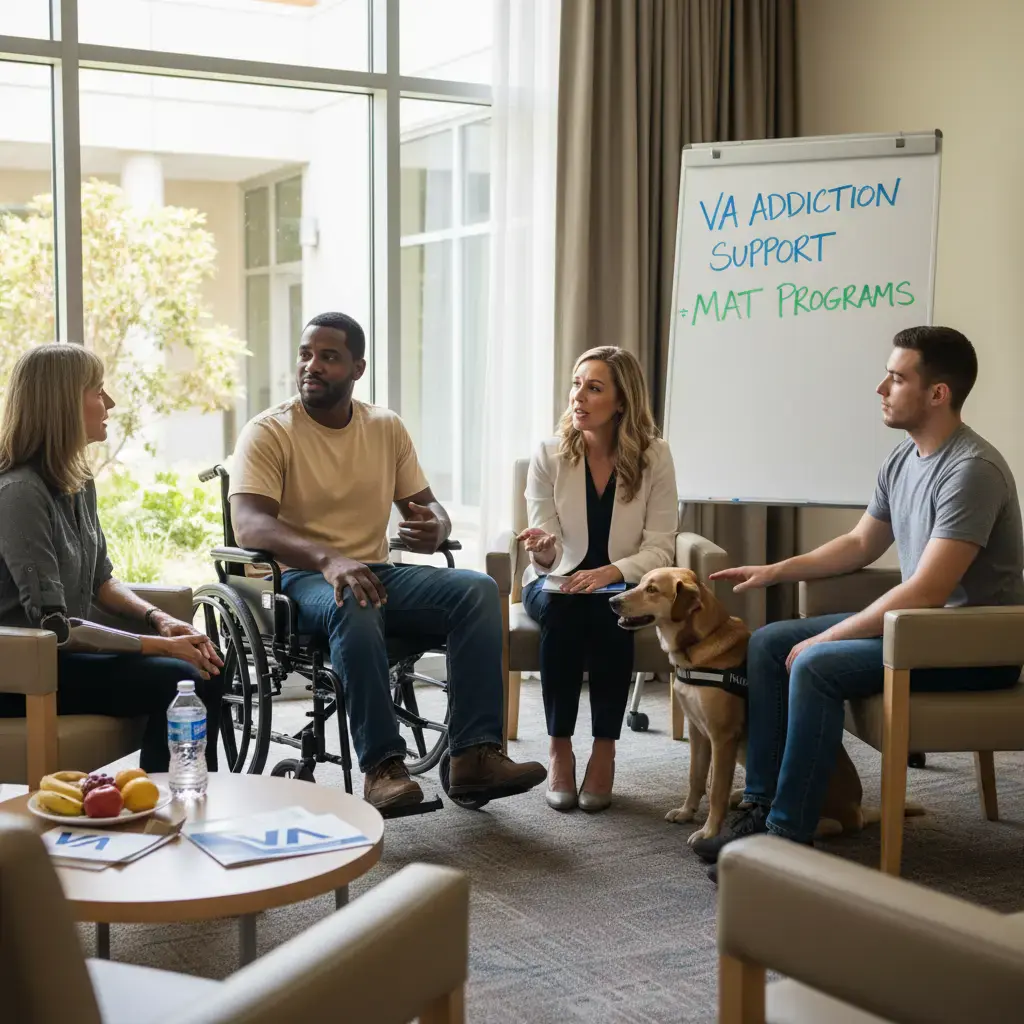
The VA provides a range of services for veterans struggling with substance use and chronic pain. These include Substance Use Disorder (SUD) programs at local VA medical centers, which offer counseling and support. They also provide Medication-Assisted Treatment (MAT), such as buprenorphine or methadone, to help manage opioid cravings and withdrawal. For pain, the VA has developed intensive Chronic Pain Rehabilitation Programs (CPRPs) that use a team-based, holistic approach to help veterans improve function and quality of life.
These efforts have had a positive impact. Overall trust in VA outpatient care is high, at over 91% , and programs like the CPRPs report that participants experience less pain, less depression, and improved daily activity. However, the system is not without its challenges. Many veterans have experienced a pendulum swing within the VA, from a time of easy access to opioids to a current climate where they feel their pain is not being adequately treated. Access to specialized programs can also be inconsistent across the country, with potential wait times and geographical barriers. For example, despite the proven effectiveness of MAT, only about 35% of veterans with Opioid Use Disorder (OUD) in the VA system receive it.
The Power of a New Environment for Healing
The greatest challenge for a veteran seeking to overcome the deep, interconnected issues of chronic pain, trauma, and addiction is often their own environment. Your home, your town, and your daily routines can be filled with triggers—people, places, sounds, and stressors—that constantly activate your body’s stress response. This can keep your nervous system on high alert, making it nearly impossible for deep healing to occur. You might make progress in a weekly therapy session, only to have it undone by the stress of returning to that environment.
This is where the concept of a “tactical retreat” becomes a clinical necessity. This isn’t a vacation; it’s a strategic, temporary relocation to a safe, supportive, and completely new environment where your sole mission is to heal. By removing yourself from the daily triggers and stressors, you create the mental and emotional space needed to do the hard work of recovery. An immersive, residential program provides a 24/7 therapeutic container where every single aspect of your day—from the food you eat to the activities you do to the people you’re with—is aligned with the goal of healing. This structure provides a fundamental advantage over a traditional outpatient model for veterans facing these complex, co-occurring conditions.
Takeaway: While the VA offers valuable resources, an immersive residential program provides a focused, trigger-free environment that can be essential for deep and lasting recovery.

Your Path Forward at Costa Rica Treatment Center
At Costa Rica Treatment Center, we’ve built our program specifically for veterans who are ready to move beyond the prescription and reclaim their lives. We understand the Pain-Trauma-Addiction Triad, and our entire philosophy is designed to address these interconnected issues head-on, at the same time, in an environment built for healing.
Integrated, Evidence-Based Care for the Whole Veteran
Our core principle is integrated treatment. You won’t have one team for your pain, another for your addiction, and a third for your trauma. Here, one dedicated, multidisciplinary team works with you to address all these issues simultaneously, because we know they are all connected. Our clinical foundation is built on proven, evidence-based therapies like Cognitive Behavioral Therapy (CBT), which helps you identify and change the negative thought patterns that fuel both pain and addiction.
But we don’t stop at clinical therapy. We believe in healing the whole person. The holistic toolkit you need to build is not an afterthought here; it’s a central part of your daily schedule. You will participate in therapeutic yoga, mindfulness meditation, art therapy, and equine therapy. These practices are fully integrated into your treatment plan to help you reconnect with your body, calm your nervous system, and develop the skills to manage pain and stress for a lifetime.
A Healing Sanctuary Designed for Recovery
We chose our location in Costa Rica for a specific therapeutic reason. The serene, natural environment is a powerful tool for calming a hypervigilant nervous system that has been shaped by trauma. This is your tactical retreat—a place far from the stressors and triggers of home, where you can focus 100% on your mission of recovery.
We use nature as an active part of your therapy. Through adventure therapy activities like guided hikes and nature excursions, you will learn to trust your body again, rebuild your confidence, and discover that you can experience joy and challenge without substances. With a high staff-to-client ratio, you receive deeply personalized care, ensuring you are seen and heard as an individual, not just a number in a large system. We provide the structure, support, and expertise you need to finally break free from the cycle of pain and addiction.
Takeaway: At Costa Rica Treatment Center, we combine evidence-based trauma therapy with holistic practices in a serene environment to help you heal the underlying causes of your pain and addiction.
Frequently Asked Questions
Q: Can you really manage severe chronic pain without any opioids? A: Yes. Modern, evidence-based pain management focuses on a toolkit of non-opioid strategies. At Costa Rica Treatment Center, we use a combination of physical therapies, holistic practices like yoga and acupuncture, and trauma-focused therapies like CBT to reduce your pain and improve your ability to function, addressing the root causes rather than just masking symptoms.
Q: I have PTSD and chronic pain. Will treatment for one make the other worse? A: That’s a common and valid concern. It’s why treating them separately often fails. Costa Rica Treatment Center uses an integrated, dual-diagnosis approach where the same team treats your PTSD, pain, and any substance use together. This ensures your healing is coordinated and addresses how these conditions influence each other.
Q: How is treatment at Costa Rica Treatment Center different from VA addiction treatment? A: While the VA has many great programs, our model is fundamentally different. We offer an immersive, residential experience that removes you from daily triggers. Our program integrates clinical and holistic therapies into your daily life in a serene, natural environment, providing a level of focused, 24/7 support that is difficult to achieve in a traditional outpatient setting.
Q: I’m an older veteran. Are your programs suitable for me? A: Absolutely. Our programs are personalized to your specific physical and emotional needs. We use low-impact therapies like therapeutic yoga, mindfulness, and equine therapy that are effective and accessible regardless of age or physical limitation. We focus on what you can do to rebuild strength and confidence.
Q: Why would I travel to Costa Rica for treatment? A: Traveling for treatment provides a complete break from the environmental and social triggers that fuel addiction and heighten pain. The natural beauty and tranquility of Costa Rica are part of the therapy, helping to calm your nervous system and create the mental space needed for deep healing. It’s a strategic retreat to focus on your recovery mission.
Q: Does treatment include help for my family? A: Yes. We understand that addiction and chronic pain impact the entire family. Our program includes family counseling to help heal relationships, improve communication, and build a strong support system for your return home.
Q: What happens after I leave? Is there any aftercare? A: Recovery is a lifelong journey. We provide comprehensive aftercare planning before you leave to ensure you have a strong support system and a clear plan for maintaining your progress. This includes connecting you with resources and support groups to help you successfully transition back to your life.