The Blurring Line Between Habit and Harm It often starts subtly. A glass of wine to unwind after a stressful day. A few beers with friends to celebrate the end of the week. For many, alcohol is a socially accepted part of life, a ritual of relaxation or connection. But sometimes, over weeks, months, or even years, the line begins to blur. The one glass becomes a bottle. The weekend drinking starts to spill into the week. The desire for a drink transforms from a simple “want” into a pressing, persistent “need.” A person may find themselves planning their day…
The Blurring Line Between Habit and Harm
It often starts subtly. A glass of wine to unwind after a stressful day. A few beers with friends to celebrate the end of the week. For many, alcohol is a socially accepted part of life, a ritual of relaxation or connection. But sometimes, over weeks, months, or even years, the line begins to blur. The one glass becomes a bottle. The weekend drinking starts to spill into the week. The desire for a drink transforms from a simple “want” into a pressing, persistent “need.” A person may find themselves planning their day around alcohol, hiding the amount they drink, or feeling irritable and anxious when they can’t have it.

If this internal monologue of questioning and doubt sounds familiar, it is important to know that these concerns are valid and shared by millions. A significant majority of adults report drinking alcohol at some point in their lives, making this a common starting point for many who begin to question their relationship with it. When drinking stops being a choice and starts feeling like a compulsion, when it begins to cause problems in one’s health, relationships, or responsibilities, it may be a sign of a treatable medical condition.
In the clinical world, this condition is known as Alcohol Use Disorder (AUD). This term has intentionally replaced older, more stigmatizing labels like “alcoholism” or “alcohol dependence”. The shift in language is critical because it reframes the issue from a moral failing or a lack of willpower to what it truly is: a chronic, relapsing brain disorder that requires compassionate, evidence-based medical care. This article serves as a comprehensive and non-judgmental guide to understanding this condition. It will delve into the official signs used for diagnosis, explain how the severity of the disorder is determined, explore its wide-ranging impact on a person’s life, and illuminate the hopeful and achievable path to recovery.

What is Alcohol Use Disorder? A Medical Perspective
To understand the signs of AUD, it is first essential to grasp its medical definition. The National Institute on Alcohol Abuse and Alcoholism (NIAAA) defines AUD as an “impaired ability to stop or control alcohol use despite adverse social, occupational, or health consequences”. This definition highlights the two core features of the disorder: a loss of control over drinking and the continuation of that drinking even when it is clearly causing harm.
Fundamentally, AUD is understood by medical experts not as a character flaw, but as a chronic brain disorder. Its development is complex, arising from an intricate interplay of genetic predispositions, psychosocial factors like stress or trauma, and environmental influences such as the accessibility of alcohol. This scientific understanding is crucial because it helps to dismantle the pervasive and harmful myth that a person with AUD could simply “stop if they really wanted to.” The changes in brain structure and function caused by prolonged alcohol use make it incredibly difficult to abstain through willpower alone.
This clinical perspective has driven a significant evolution in the language used to discuss the condition. Terms like “alcoholic” are increasingly viewed as negative and unhelpful labels that can foster shame and create barriers to seeking help. “Alcohol Use Disorder,” in contrast, is a clinical diagnosis. It describes a health condition a person
has, not what a person is. This “person-first” approach separates the individual from their illness, promoting dignity and reinforcing the reality that AUD is a manageable health issue, much like diabetes or hypertension, from which people can and do recover.
Distinguishing AUD from Risky Drinking Patterns
It is also important to differentiate AUD from other patterns of alcohol consumption that, while risky, do not necessarily meet the criteria for a clinical diagnosis. Health authorities have established clear guidelines for lower-risk drinking:
- Moderate Drinking: Defined by the NIAAA as limiting intake to 2 drinks or less in a day for men and 1 drink or less in a day for women.
- Binge Drinking: A pattern of drinking that brings the blood alcohol concentration (BAC) to 0.08% or higher. This typically occurs after a woman consumes 4 or more drinks, or a man consumes 5 or more drinks, within about two hours.
- Heavy Drinking: Defined as consuming 15 or more drinks per week for men, or 8 or more drinks per week for women.
While not everyone who binge drinks or drinks heavily has AUD, these behaviors significantly increase the risk of developing the disorder. The definitive feature of AUD is the pattern of impaired control and continued use despite negative consequences, which goes beyond the quantity or frequency of alcohol consumed.
The Scope of the Problem
Concerns about alcohol use are far from uncommon. In the United States, data shows that approximately 11% of adults aged 18 and over had AUD in the past year. The rate is even higher among young adults aged 18-25, at 15%. The disorder’s impact ripples outward, affecting families and communities; an estimated one in ten children in the U.S. lives with a parent who has AUD. These statistics underscore that if you are worried about your own drinking or that of a loved one, you are not alone.

The Clinical Benchmark: Unpacking the 11 Signs of AUD
To provide a consistent and reliable method for diagnosis, clinicians rely on a standardized set of 11 criteria outlined in the Diagnostic and Statistical Manual of Mental Disorders, Fifth Edition (DSM-5). Meeting at least two of these criteria within a 12-month period indicates the presence of an Alcohol Use Disorder. This transparent framework demystifies the diagnostic process, moving it from a subjective judgment to an objective clinical assessment.
The criteria themselves have evolved based on a more sophisticated, neurobiological understanding of addiction. The most recent version of the manual, the DSM-5, made a crucial change from its predecessor by eliminating “recurrent legal problems” as a criterion and adding “craving”. This shift is significant. Legal issues are an external consequence that can be influenced by factors like socioeconomic status or luck, making them an inconsistent indicator of the disorder’s core nature. Craving, on the other hand, is a powerful, internal experience that speaks directly to the changes in the brain’s reward circuitry. It reflects the “strong internal drive” or “compulsion” that defines the loss of control at the heart of addiction. This focus on the internal, subjective experience highlights that AUD is a disease of the brain, characterized by internal compulsions, not just a series of bad choices with external consequences.
To make these criteria more accessible, they can be grouped into themes and framed as self-reflective questions. Consider if any of the following have been true for you or a loved one over the past year.
Category 1: Impaired Control (The Loss of Choice)
This category focuses on the inability to stick to self-imposed limits on drinking.
- Drinking More or Longer Than Intended: “Have you often ended up drinking more, or for a longer period, than you planned?”
- Unsuccessful Efforts to Cut Down: “Have you wanted to cut down or stop drinking, or tried to, but found you couldn’t?”
Category 2: The Centrality of Alcohol (Life Revolving Around Drinking)
This group of symptoms describes how alcohol can take over a person’s thoughts and time.
- Time Spent on Alcohol-Related Activities: “Do you spend a lot of your time drinking, being sick from drinking, or recovering from its effects?”
- Craving: “Have you experienced a strong need, craving, or urge to drink—so powerful you couldn’t think of anything else?”
Category 3: Social & Functional Impairment (When Drinking Causes Problems)
These criteria address the negative consequences of drinking on a person’s responsibilities and relationships.
- Failure to Fulfill Major Obligations: “Has drinking—or being sick from drinking—often interfered with your responsibilities at home, work, or school?”
- Continued Use Despite Interpersonal Problems: “Have you continued to drink even though it was causing trouble with your family or friends?”
- Giving Up Important Activities: “Have you given up or cut back on activities that were important or interesting to you in order to drink?”
Category 4: Risky & Harmful Use (Ignoring the Danger Signs)
This category involves using alcohol in ways that are physically dangerous or continuing to drink despite knowing it is causing harm.
- Recurrent Use in Hazardous Situations: “Have you repeatedly gotten into situations while or after drinking that increased your chances of getting hurt, such as driving, swimming, using machinery, or having unsafe sex?”
- Continued Use Despite Physical or Psychological Harm: “Have you kept drinking even though it was making you feel depressed or anxious, or adding to another health problem?”
Category 5: Physical Dependence (The Body’s Adaptation)
These final two criteria, tolerance and withdrawal, are classic physiological signs of dependence.
- Tolerance: “Have you found that you needed to drink much more than you once did to get the effect you want? Or found that your usual number of drinks had much less effect?”
- Withdrawal: “When the effects of alcohol were wearing off, have you had withdrawal symptoms, such as trouble sleeping, shakiness, restlessness, nausea, sweating, a racing heart, or anxiety? Or, in severe cases, a fever, seizures, or seeing things that weren’t there (hallucinations)?”
Table 1: The DSM-5 Diagnostic Checklist for Alcohol Use Disorder (AUD)
This checklist is a tool for self-reflection based on experiences over the past 12 months. It is not a substitute for a professional diagnosis but can help clarify the extent of the concern.
| Diagnostic Criterion (Simplified) | Yes / No |
| 1. Drank more or longer than intended? | ☐ |
| 2. Tried to cut down or stop but couldn’t? | ☐ |
| 3. Spent a lot of time drinking or recovering? | ☐ |
| 4. Experienced strong cravings for alcohol? | ☐ |
| 5. Drinking interfered with work, school, or home life? | ☐ |
| 6. Continued drinking despite relationship problems? | ☐ |
| 7. Gave up important activities to drink? | ☐ |
| 8. Drank in physically hazardous situations? | ☐ |
| 9. Continued drinking despite health/psychological problems? | ☐ |
| 10. Developed a tolerance to alcohol? | ☐ |
| 11. Experienced withdrawal symptoms when not drinking? | ☐ |
A Spectrum of Concern: Understanding AUD Severity
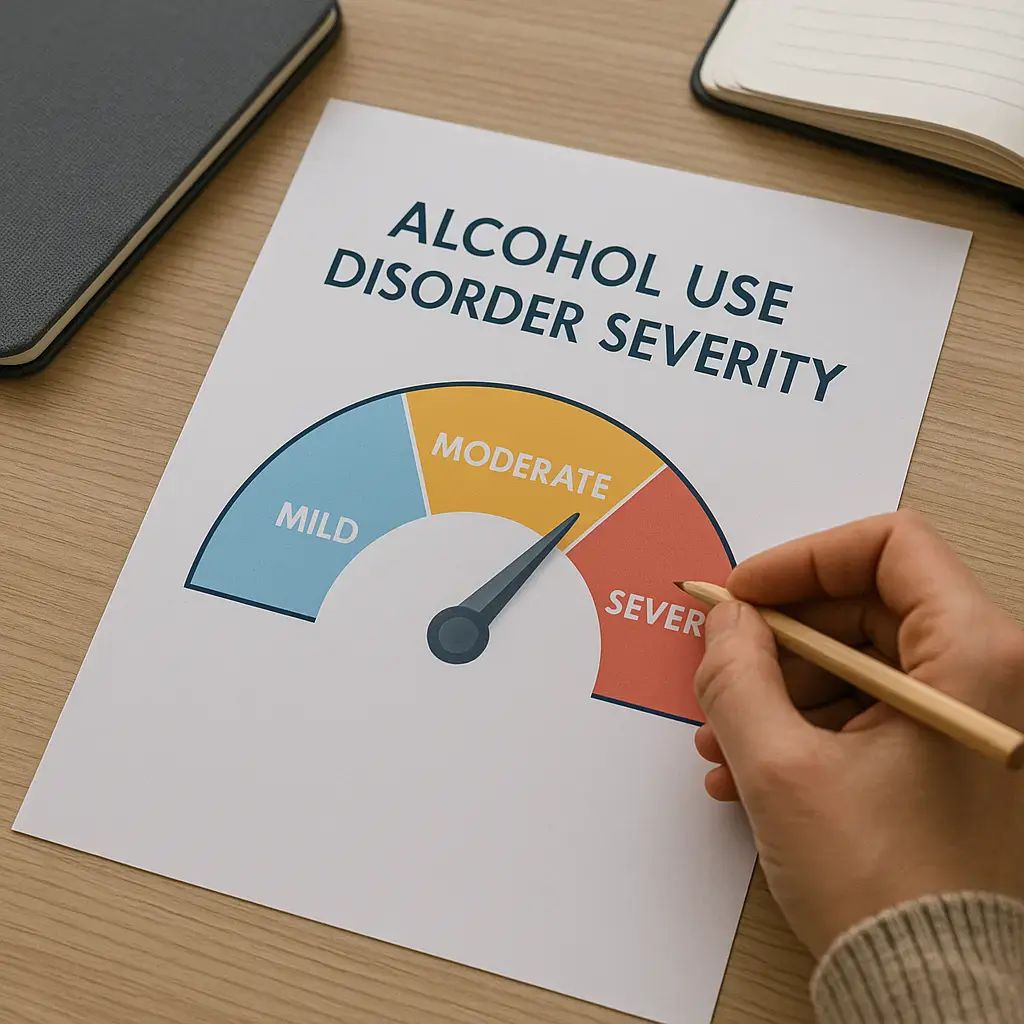
Alcohol Use Disorder is not a simple “yes or no” diagnosis. It exists on a spectrum of severity, which is determined by the total number of diagnostic criteria a person meets from the list above. Understanding where one might fall on this spectrum is a crucial step in recognizing the level of concern and the need for intervention.
The clinical levels of severity are defined as follows:
- Mild AUD: The presence of 2 to 3 symptoms.
- Moderate AUD: The presence of 4 to 5 symptoms.
- Severe AUD: The presence of 6 or more symptoms.
(Source for all levels: )
It is vital to understand that even a “mild” diagnosis is a significant clinical finding. Because AUD is often a progressive disease, a mild disorder can escalate into a moderate or severe one over time if left unaddressed, leading to more serious and entrenched problems. Early recognition and treatment offer the best opportunity to prevent this progression and restore health and well-being.
Alcohol Use Disorder Severity Levels
After reflecting on the 11 criteria in the checklist, this table can help translate that number into a clinical context.
| Severity Level | Number of Symptoms Present (in the last 12 months) |
| Mild | 2-3 symptoms |
| Moderate | 4-5 symptoms |
| Severe | 6 or more symptoms |
This spectrum-based approach reveals a deeper clinical truth about how AUD is understood and treated. In medical coding and practice, AUD is seen as the chronic, underlying disorder from which other acute alcohol-related issues stem. For instance, when a person is treated for alcohol withdrawal, a clinician doesn’t just see the immediate symptoms like tremors or anxiety in isolation. They recognize these as acute manifestations of the more profound, ongoing AUD. This interconnectedness is even more pronounced with mental health. AUD frequently co-occurs with conditions like depression and anxiety, with each disorder exacerbating the other.
This clinical reality makes a powerful case for the necessity of integrated treatment. A program that only manages a person’s detoxification without addressing the underlying AUD and any co-occurring mental health disorders is only treating a symptom, not the root disease. True, lasting recovery requires a holistic approach that simultaneously heals the brain, mind, and body.
The Hidden Toll: How AUD Rewires Your Health, Mind, and Life
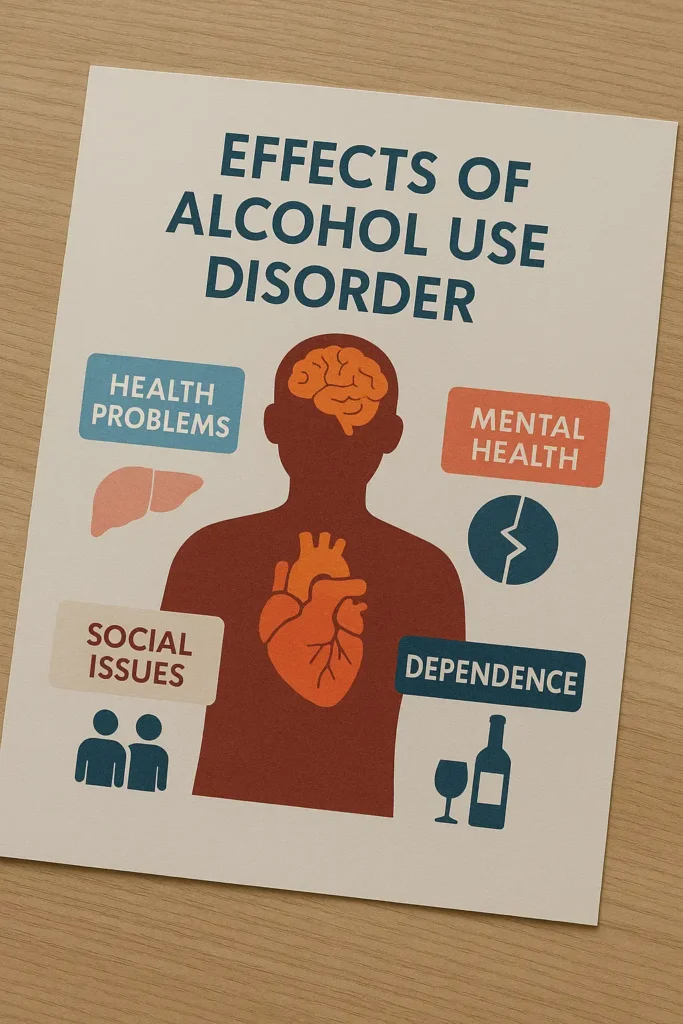
The consequences of untreated Alcohol Use Disorder extend far beyond the immediate effects of intoxication or a hangover. Chronic, heavy alcohol use is toxic to nearly every organ system in the body and can unravel a person’s mental health, relationships, and overall quality of life.
The Physical Cascade
While liver damage is the most well-known consequence, alcohol’s physical toll is systemic and severe.
- Liver Disease: Chronic drinking forces the liver to work overtime, leading to a predictable and devastating progression of disease. It begins with the accumulation of fat in the liver (hepatic steatosis), can advance to dangerous inflammation (alcoholic hepatitis), and may culminate in irreversible scarring (cirrhosis), which can be fatal.
- Digestive System: Alcohol is a direct irritant to the digestive tract. It can cause inflammation of the stomach lining (gastritis), painful ulcers in the stomach and esophagus, and inflammation of the pancreas (pancreatitis). It also impairs the body’s ability to absorb essential nutrients, particularly B vitamins, leading to malnutrition even in those who eat regularly.
- Cardiovascular System: Contrary to popular myths about red wine, heavy alcohol use is detrimental to heart health. It can lead to high blood pressure, an enlarged heart, heart failure, and an increased risk of stroke. Even a single episode of binge drinking can trigger a serious heart rhythm disturbance called atrial fibrillation.
- Brain and Nervous System: As a central nervous system depressant, alcohol’s impact on the brain is profound. Chronic use can lead to permanent brain damage, resulting in persistent problems with memory, coordination, and executive functions like planning and decision-making.
- Increased Cancer Risk: The link between alcohol consumption and cancer is well-established. Heavy drinking is a known risk factor for cancers of the mouth, throat, esophagus, liver, and breast.
The Mental and Emotional Vortex
The psychological impact of AUD is just as devastating as the physical one. There is an exceptionally high rate of co-occurring anxiety, depression, and other psychiatric disorders among individuals with AUD. This often creates a vicious, self-perpetuating cycle that is incredibly difficult to escape.
This cycle frequently begins when a person uses alcohol to self-medicate feelings of anxiety or depression, seeking temporary relief. However, because alcohol is a depressant, it ultimately worsens these underlying conditions once the initial effects wear off. The rebound effect can lead to heightened anxiety and a lower mood than before, compounded by feelings of guilt and shame over the drinking itself. This creates a neurochemical trap: the brain, now conditioned to seek alcohol for relief, sends powerful craving signals for the very substance that is causing the distress. The person is now effectively using alcohol to treat the symptoms of alcohol-induced mood changes and withdrawal, a “solution” that only fuels the problem. This is why “just stopping” is often not a viable option; breaking this cycle requires professional intervention that can manage withdrawal, treat the co-occurring mental health condition, and provide new coping strategies.
The Social and Lifestyle Collapse
The damage caused by AUD inevitably spills into every area of a person’s life.
- Relationships: A core diagnostic criterion is continuing to drink despite causing persistent problems with family and friends. This can lead to conflict, broken trust, and social isolation.
- Professional and Financial Life: Another key sign is the failure to fulfill major obligations at work, school, or home. This can result in poor performance, job loss, and significant financial strain.
- Safety and Legal Issues: Impaired judgment from alcohol use dramatically increases the risk of accidents, injuries, and involvement in violence, either as a victim or a perpetrator. Tragically, AUD is also a significant contributor to the risk of suicide.
From Recognition to Recovery: A Hopeful Path Forward
After reviewing the signs and consequences of AUD, it is natural to feel overwhelmed or discouraged. However, the single most important message is one of hope: Alcohol Use Disorder is a treatable disease. Recovery is not just a distant possibility; it is a realistic and achievable goal for anyone, regardless of how severe the disorder may seem. A person can decide to seek treatment and begin making positive changes at any point in their journey.
Modern, evidence-based treatment for AUD is comprehensive and multifaceted, built on several key pillars designed to heal the whole person.
- Medically Supervised Detoxification: For those with physical dependence, safely managing withdrawal is the critical first step. Abruptly stopping alcohol can be dangerous, leading to severe complications like seizures or delirium tremens. Medically supervised detox, often using medications like benzodiazepines, ensures this process is safe and as comfortable as possible.
- Therapy and Counseling: Individual and group therapy are essential for addressing the psychological roots of addiction. These sessions help individuals understand their triggers, develop healthy coping skills, repair damaged relationships, and build a foundation for a life free from alcohol.
- Medication-Assisted Treatment (MAT): Several FDA-approved medications, such as naltrexone, can be highly effective in supporting recovery. These medications work by reducing cravings or blocking the pleasurable effects of alcohol, which significantly improves the effectiveness of behavioral therapies.
- Support Systems: Building a strong, sober support network is crucial for long-term success. This can include participation in mutual-help groups like Alcoholics Anonymous (AA) or SMART Recovery, as well as reconnecting with family and friends in a healthy way.
Effective treatment recognizes that recovery is more than just stopping a behavior; it’s about healing the whole person and building a new, meaningful life. At the Costa Rica Treatment Center, this philosophy is the cornerstone of our approach. The serene, natural beauty of our location provides a powerful backdrop for healing, removing individuals from the triggers and stressors of their daily lives and immersing them in a restorative environment. We believe in the profound healing effects of communing with nature, which is why our program includes therapeutic, nature-filled adventure trips to explore Costa Rica‘s world-class beaches and mountains.
This healing environment is paired with a sophisticated, integrated clinical model. Remember the vicious cycle of alcohol and mental health? Our dedicated Co-occurring Disorders Treatment program is designed specifically to break that cycle, addressing both addiction and conditions like depression and anxiety simultaneously, by the same treatment team. To heal the whole person—mind, body, and spirit—we integrate evidence-based clinical care, like
one-on-one counseling with clinical psychologists and SMART Recovery facilitation, with innovative, restorative therapies. These unique modalities include:
- Forest Therapy: Guided experiences in nature to awaken the senses, reduce stress, and foster a deep reconnection with oneself.
- Sound Therapy: Using the vibrations and waves from instruments like Tibetan bowls and gongs to restore a sense of harmony to the physical, mental, and emotional body.
- Occupational Therapy: Using creative outlets like art, music, and theater to help patients rediscover passions and transform them into purposeful daily routines that support recovery.
This entire journey is guided by our structured “4 Phases 1 Experience” program—Stabilization, Treatment & Self Discovery, Transferring Responsibility, and Clean Living Experience—which provides a clear, supportive, and proven path from the moment a person arrives through to their transition into a vibrant, sober life.
The Conversation That Changes Everything: Your First Step
Recognizing the signs of Alcohol Use Disorder in yourself or someone you care about is the first, most powerful step toward change. The act of reading this article, of seeking information and understanding, is an act of profound courage and strength. It is the beginning of a journey toward health and hope.
The next step often involves a conversation—a difficult but potentially life-changing one. For many, this means talking with a spouse, a parent, a child, or a trusted friend. If you are a loved one preparing to have this conversation, it is important to approach it with compassion, care, and strategy. Based on expert recommendations, a successful conversation often includes the following elements:
- Choose the Right Time and Place: Find a time when the person is sober and you are both calm. Speak in a private, comfortable setting where you won’t be interrupted or rushed.
- Use “I” Statements and Express Concern: Frame the conversation around your own feelings and specific, non-judgmental observations. A phrase like, “I am worried about you because I’ve noticed you’ve been missing work, and I care about your well-being,” is far more effective than an accusatory statement like, “Your drinking is out of control and you have a problem“.
- Listen Without Judgment: The goal is to open a two-way dialogue, not to deliver a lecture. Listen to their perspective and try to understand the underlying reasons for their drinking, such as stress, anxiety, or trauma.
- Be Prepared for Resistance: It is common for people to react defensively or deny there is a problem. This is often a function of fear or shame. If the conversation becomes heated, do not push. You can state your concern, reiterate your love and support, and leave the door open to talk again in the future.
Whether you are exploring options for yourself or for someone you love, understanding what quality treatment looks like is key. If the holistic, compassionate, and evidence-based approach described here resonates with you, we invite you to contact our admissions team. A confidential conversation with one of our specialists can illuminate the path to a new beginning. Recovery is a journey, and it starts with a single, hopeful step.