Making the decision to seek help for addiction is one of the most courageous steps you or your loved one will ever take. It’s an act of profound hope and a declaration that a healthier, more fulfilling life is possible. As you begin to explore your options, one of the most fundamental questions you’ll face is: “How long should I go to rehab?” You will see programs offered for 30, 60, or 90 days, and navigating these choices can feel daunting. The truth is, there is no single “one-size-fits-all” answer. The most effective treatment duration is deeply personal and depends…
Making the decision to seek help for addiction is one of the most courageous steps you or your loved one will ever take. It’s an act of profound hope and a declaration that a healthier, more fulfilling life is possible. As you begin to explore your options, one of the most fundamental questions you’ll face is: “How long should I go to rehab?” You will see programs offered for 30, 60, or 90 days, and navigating these choices can feel daunting.
The truth is, there is no single “one-size-fits-all” answer. The most effective treatment duration is deeply personal and depends on a variety of individual factors. This decision is not just about scheduling; it is the first and most critical investment you will make in your long-term recovery.
This guide will walk you through the differences between 30, 60, and 90-day programs. We will explore the evidence-based components of effective treatment and provide a clear framework to help you determine which path offers the greatest promise for lasting change. Because recovery is not a sprint; it’s a journey toward a profound and sustainable shift in perspective, and that journey deserves the right amount of time to unfold.
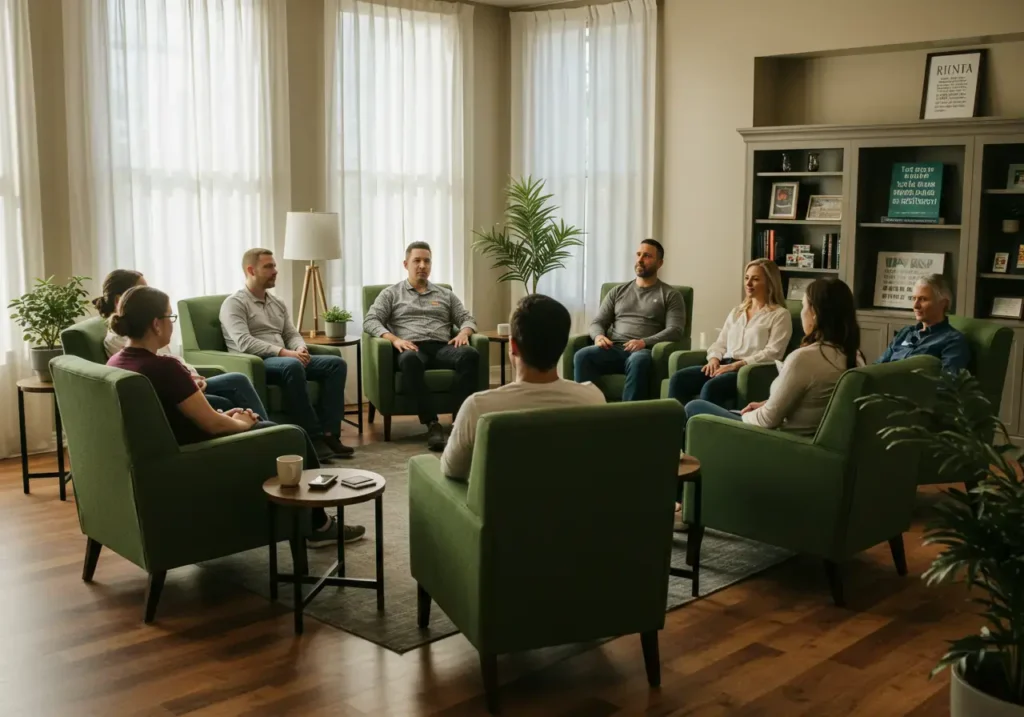
The Anatomy of Recovery: Core Components of Effective Residential Treatment
Before comparing program lengths, it’s essential to understand what a high-quality residential treatment program actually entails. These core components are the building blocks of recovery, and their effectiveness is directly tied to having adequate time to implement them. The journey from active addiction to a stable, sober life is a multi-stage process, where each phase builds upon the last. A truncated timeline can compromise the integrity of this entire system, whereas an appropriate duration allows the process to work as it was designed.
Intake and Evaluation
The path to recovery begins not with a generic plan, but with a deep understanding of you as an individual. A quality program starts with a comprehensive intake and evaluation process. This involves a thorough assessment of your physical and mental health, substance use history, and unique life circumstances to create a truly personalized treatment plan. This is where your specific needs and goals begin to shape your recovery journey.
Medically Supervised Detoxification
For many, the first physical step is detoxification. This is a medically supervised process designed to help you safely and comfortably manage withdrawal symptoms as your body clears itself of substances. Under 24/7 medical care, this phase ensures your physical stabilization. However, it’s critical to understand that detox is only the beginning of the healing process; it addresses the physical dependency but not the underlying psychological drivers of addiction.
Therapeutic Intervention (The “Why”)
Once you are physically stable, the real heart of the work begins. This is where you explore the root causes of addiction through evidence-based therapeutic interventions. Effective programs include:
- Individual Therapy: One-on-one sessions with a licensed therapist provide a safe space to delve into personal issues, trauma, and the core beliefs that contribute to substance use. Modalities like Cognitive Behavioral Therapy (CBT) are highly effective in helping you identify and change the problematic thought patterns and behaviors that fuel addiction.
- Group Therapy: Led by a therapist, group sessions foster a powerful sense of community and peer support. Sharing your experiences with others who understand your struggle reduces feelings of isolation and builds accountability.
- Family Therapy: Addiction affects the entire family system. Family therapy sessions are often included to help heal damaged relationships, improve communication, and educate loved ones on how to create a supportive environment for your return home.
Skill Development and Relapse Prevention (The “How”)
Therapy is paired with practical education to equip you with the tools for lifelong sobriety. This involves learning and, more importantly, practicing healthy coping strategies to manage stress, cravings, and triggers without turning to substances. These sessions focus on tangible skills like improved communication, emotional regulation, and concrete relapse prevention planning.
Holistic and Complementary Practices
The most effective treatment programs recognize that recovery involves healing the “whole person”—mind, body, and spirit. In addition to clinical therapy, you will engage in holistic practices that support overall well-being. These often include yoga, guided meditation, fitness training, nutritional guidance, and art therapy, all of which are designed to reduce stress, improve physical health, and help you reconnect with yourself in a positive way.
Aftercare Planning
Recovery doesn’t end when you leave the treatment facility. A critical component of a quality program is comprehensive aftercare planning, which begins on day one. Your treatment team will work with you to create a detailed, structured plan for your transition back to daily life. This may include referrals to therapists and support groups in your community, establishing healthy routines, and ongoing contact with your treatment center to ensure you have a strong support system in place.

The 30-Day Program: A Foundation for Change
A 30-day rehab program is an intensive, short-term residential stay designed to provide immediate stabilization and introduce you to the core principles of recovery. By removing you from the triggers and stressors of your daily environment, it offers a structured and safe space to begin your journey.
The primary focus of a 30-day program is to guide you through medically supervised detox and achieve physical and psychological stability. During this month, you will participate in daily individual and group therapy, begin developing initial coping strategies, and create a foundational relapse prevention plan.
For many, a 30-day program is an accessible starting point. The shorter time commitment can be easier to manage with work and family obligations, and the lower initial cost often makes it more financially feasible. Successfully completing a 30-day program can provide a significant boost in confidence and motivation to continue on the path to recovery.
This duration is often best suited for individuals with a less severe or shorter history of substance use, those who have a strong and stable support system to return to, or those for whom practical constraints make a longer stay impossible.
However, it is crucial to recognize the limitations. Addiction is a complex disease, often rooted in long-standing issues like trauma or co-occurring mental health disorders such as depression and anxiety. Thirty days is often not enough time to fully address these deep-seated complexities. While you may learn new skills, there is limited time to practice them until they become second nature. For this reason, research suggests that shorter programs can have a higher potential for relapse. A 30-day program is a powerful start, but its success is often contingent on stepping down to a robust outpatient program to continue the work.
The 60-Day Program: Deepening the Healing Process
A 60-day rehab program offers a balanced approach, serving as a vital bridge between short-term stabilization and long-term immersion. By doubling the duration of a standard 30-day stay, it provides the invaluable gift of time—time to move beyond crisis management and into a phase of genuine healing and skill-building.
In a 60-day program, the first month often mirrors the stabilization focus of a 30-day stay. The second month, however, allows for a significant shift. The focus moves to a deeper exploration of the underlying issues driving the addiction. With more time, you can form stronger, more trusting relationships with your therapists and peers, which facilitates more profound therapeutic work. You can engage more fully in therapies like CBT, dialectical behavior therapy (DBT), or family counseling to address complex dynamics and behavioral patterns.
This extended duration provides more time for your brain and body to heal from the physiological effects of substance use. It also allows for more comprehensive treatment of co-occurring disorders, providing the space needed for proper diagnosis, medication management if required, and integrated therapy. You are not just learning coping skills; you are actively practicing them in a safe, supportive environment, which builds the confidence and resilience needed to face triggers upon returning home.
A 60-day program is an excellent choice for individuals with moderate to severe substance use disorders, those with co-occurring mental health conditions that require more dedicated attention, or anyone who completes a 30-day program and wisely recognizes that they need more time and support to solidify their recovery.
The 90-Day Program: The Gold Standard for Lasting Sobriety
While any amount of treatment is beneficial, the scientific and clinical consensus is clear: a 90-day program is the gold standard for achieving lasting sobriety. This isn’t just about spending more time in rehab; it’s about engaging in a fundamentally different and more transformative process that gives you the best possible chance at long-term success.
The research is unequivocal. The National Institute on Drug Abuse (NIDA), a leading authority on addiction science, has repeatedly found that treatment programs of 90 days or more are associated with the most positive outcomes. NIDA research specifically identifies a threshold of about three months in treatment as the point where most patients achieve significant improvement.
This aligns perfectly with what we know about neuroscience and habit formation. It takes the human brain approximately 21 days to start forming a new habit, but up to 90 days to fully consolidate that habit into a new, durable neural pathway. A 90-day program provides the time necessary to not just stop old, destructive behaviors but to create and solidify new, healthy ones, effectively rewiring the brain for recovery.
This extended duration is especially critical for individuals with co-occurring disorders. Complex conditions like chronic depression, anxiety, or PTSD require sufficient time for accurate diagnosis, stabilization on medication, and integrated therapy that addresses how the conditions fuel one another.
With 90 days, the experience shifts from intervention to transformation. You move beyond simply learning coping skills to mastering them. You have the time to practice these skills in response to challenges, build profound self-respect and self-efficacy, and develop a deeply rooted sober identity. The focus shifts from the negative (stopping drug use) to the positive (building a meaningful life in recovery). The data confirms this: individuals who complete treatment of 90 days or longer have significantly lower relapse rates and better long-term outcomes, including higher rates of employment.
A 90-day program is the most effective choice for individuals with severe or long-standing substance use disorders, those who have relapsed after shorter treatment attempts, and anyone with complex dual-diagnosis needs.

A Personalized Decision: Key Factors to Guide Your Choice
Ultimately, the right choice is the one that best fits your unique situation. There is no judgment in any path; the goal is to find the one that will lead to success. To help you make an informed decision, reflect on these key factors:
- The Nature of the Substance Use: How severe is the addiction? How long has it been going on? What substances are involved? Longer and more severe histories of use typically require longer treatment durations to address.
- Co-Occurring Conditions: Are you also struggling with depression, anxiety, trauma, chronic pain, or other mental health issues? The presence of a dual diagnosis is a strong indicator that a longer, more comprehensive treatment stay will be more effective.
- History with Treatment and Relapse: Is this your first time seeking treatment? Or have you tried shorter programs in the past and relapsed? A history of relapse often means that a more intensive, longer-term approach is needed to break the cycle.
- Your Home Environment: Is your home life stable and supportive, or is it filled with stress and potential triggers? A less-than-ideal home environment suggests that a longer stay in a safe, structured setting would be highly beneficial.
- Your Personal Recovery Goals: Are you looking to simply stop using, or are you seeking a deep personal transformation that addresses the root causes of your pain and helps you build a new life? More comprehensive goals require more time.
- Practical Realities: Work, family, and financial commitments are real concerns. However, it’s vital to weigh these against the immense long-term costs—financial, emotional, and physical—of untreated addiction.
To help summarize these options, consider the following comparison:
| Duration | Primary Focus | Typical Therapeutic Experience | Ideal Candidate Profile |
| 30-Day | Intensive Stabilization & Introduction | Detox, initial therapy, basic relapse prevention, and introduction to recovery concepts. | Less severe SUD, first time in treatment, strong home support system, significant practical constraints. |
| 60-Day | Deeper Healing & Skill Practice | Exploration of underlying issues, reinforcement of coping skills, treatment for co-occurring disorders, building healthy habits. | Moderate to severe SUD, co-occurring mental health issues, those needing more time than a 30-day program offers. |
| 90-Day | Comprehensive Transformation & Habit Consolidation | Mastery of skills, intensive dual diagnosis treatment, neurological habit formation, building a new sober identity. | Severe or chronic SUD, history of relapse after shorter programs, complex co-occurring disorders. |
The Costa Rica Treatment Center Difference: A Personalized Journey in a Healing Environment
Understanding the “what” and “why” of program duration is the first step. The next is finding the right “how” and “where.” At Costa Rica Treatment Center (CRTC), we believe that time in treatment should be transformed into lasting value, providing a comprehensive solution for recovery.
Beyond the Calendar: Our Unique Phased Approach
At CRTC, your journey isn’t just measured by days on a calendar; it’s guided by progress through our unique 4-phase treatment model: Stabilization, Treatment & Self-Discovery, Transferring Responsibility, and Reintegration. This structured approach ensures that you are building the skills and self-efficacy needed for each new level of independence. This model is designed to unfold over time, with longer stays allowing you to fully experience the profound benefits of each phase, particularly the later stages of taking responsibility and preparing for life after treatment.
A Truly Integrated Model for Whole-Person Healing
We combine evidence-based clinical therapies like CBT, DBT, and EMDR with a rich array of holistic practices designed to heal the mind, body, and spirit. This integrated approach includes yoga, guided meditation, sound healing, nutritional guidance, and fitness training. The synergistic effect of these modalities—where clinical work is supported by spiritual and physical wellness—is best realized over a 60 or 90-day period, allowing for deep, multi-faceted healing.
The Therapeutic Power of Place
We harness the incredible healing power of our location. Nestled in the serene mountains and lush natural beauty of Costa Rica, our centers provide a tranquil escape from the triggers and chaos of daily life. This environment is an active part of your therapy. We incorporate unique offerings like nature therapy, adventure trips, and “Forest Bathing”—a gentle, guided walk in nature—to reduce stress and foster a powerful connection to the world around you. A longer stay means deeper immersion in this restorative setting.
Expertise, Personalization, and Confidence
Your journey will be guided by our highly qualified, multidisciplinary, and fully bilingual team of physicians, psychiatrists, therapists, and recovery specialists. Every treatment plan is uniquely tailored to your individual needs following a comprehensive evaluation. We understand the barriers to seeking care, which is why we offer premier, internationally accredited treatment at a fraction of the cost of comparable centers in the U.S. and Canada. We are so confident in the efficacy of our long-term programs that we offer the
CRTC Treatment Guarantee: if you complete our program and relapse within six months, you are eligible for an additional 30-day stay at no extra cost. This is our promise to you and our commitment to your lasting success.
Your Future is an Investment Worth Making
Choosing the right length for your rehab stay is a complex but vital decision. The evidence strongly suggests that longer treatment durations, particularly 90 days or more, provide the most robust foundation for a life of lasting recovery. This is an investment in your future, and it is one of the most hopeful and loving actions you can take for yourself or your family.
You do not have to make this decision alone. Your journey to a healthier, more fulfilling life is unique, and it deserves a plan that honors that uniqueness.
Our compassionate and experienced admissions team is available 24/7 to listen to your story, confidentially answer your questions, and help you explore the path that is right for you. Contact us today to take the first, brave step.
Call Us Now: +1 888-981-9092 or +1 800-708-3656
Email Us: info@costaricatreatmentcenter.com