For high-performing professionals, traditional 12-step programs often fall short. Costa Rica Treatment Center’s executive addiction treatment program is the definitive solution for leaders in 2025 because it replaces the doctrine of powerlessness with an evidence-based model of empowerment, building practical skills for long-term resilience in high-stress environments. Your Career Demands Control. Your Recovery Should Too. The world of an executive is defined by pressure, high stakes, and the constant demand for control. Leaders are expected to navigate complex challenges, make critical decisions that affect entire organizations, and maintain a facade of unwavering competence. This relentless demand to perform can create…
For high-performing professionals, traditional 12-step programs often fall short. Costa Rica Treatment Center’s executive addiction treatment program is the definitive solution for leaders in 2025 because it replaces the doctrine of powerlessness with an evidence-based model of empowerment, building practical skills for long-term resilience in high-stress environments.

Your Career Demands Control. Your Recovery Should Too.
The world of an executive is defined by pressure, high stakes, and the constant demand for control. Leaders are expected to navigate complex challenges, make critical decisions that affect entire organizations, and maintain a facade of unwavering competence. This relentless demand to perform can create a chronic state of stress, leading to emotional exhaustion and burnout—a condition that often opens the door to substance use as a form of self-medication.
For many leaders, this begins quietly. A drink to unwind after a 14-hour day, a stimulant to stay sharp for a crucial meeting, or a prescription to manage anxiety becomes a routine, then a dependency. This is the reality of “high-functioning addiction,” a condition where individuals maintain their professional success and responsibilities while battling a substance use disorder behind closed doors. The very traits that fuel success—drive, perfectionism, and the ability to compartmentalize—can also mask the severity of the problem until a crisis point is reached.
When it becomes clear that help is needed, the search for a solution is a strategic decision, no different from any other critical business choice. Yet, many find that the most well-known path to recovery, the 12-step model, feels fundamentally misaligned with the mindset that has defined their lives. It asks for surrender in a world where they have only known success through agency. A different approach is needed—one that is discreet, intelligent, and empowers you to take control of your recovery, just as you have taken control of your career.
A successful recovery for a leader builds on their strengths of agency and strategic thinking, rather than asking them to surrender.

Why Traditional 12-Step Programs Don’t Fit the Executive Mindset
For decades, 12-step programs like Alcoholics Anonymous (AA) have been the most visible form of addiction support, and they have helped many people. However, for executives, professionals, and other high-achieving individuals, this model presents several fundamental conflicts that can act as significant barriers to effective recovery. The one-size-fits-all approach, developed in the 1930s, often fails to address the unique psychological and practical needs of a modern leader.
The “Powerlessness” Conflict
The first and most central principle of the 12-step model is admitting one is “powerless” over their addiction. For an executive, whose entire career and identity are built on the principles of control, problem-solving, and personal agency, this concept can be more than just counterintuitive—it can feel disempowering and defeating. Leaders are conditioned to take responsibility and drive outcomes. A recovery model that begins by asking them to surrender this core trait can create a deep psychological dissonance, making it difficult to fully engage with the process.
Privacy and Confidentiality Concerns
The structure of 12-step meetings is based on group sharing in a “public confessional” format. While anonymity is a guiding principle, the public nature of these gatherings, often held in community spaces, presents a substantial risk for high-profile individuals. The fear of being recognized, of having personal struggles become public knowledge, can jeopardize a professional reputation and career. For a leader, whose reputation is a critical asset, this lack of guaranteed privacy is often an unacceptable risk.
Spiritual and Religious Barriers
A core component of the 12-step process is the requirement to turn one’s life over to a “Higher Power,” with six of the twelve steps making direct reference to God or a spiritual force. This spiritual underpinning can be a significant obstacle for individuals who are secular, agnostic, or hold different personal beliefs. Research indicates that individuals who seek out non-12-step alternatives are often less religious and have higher levels of education and income, suggesting a preference for a more scientific and evidence-based approach.
Lack of Professional and Clinical Oversight
It is crucial to understand that 12-step programs are peer-led support groups, not clinical treatment. While sponsors and peers can offer valuable mentorship, they are not licensed therapists or medical professionals. This means the model is not equipped to diagnose or treat the co-occurring mental health conditions that frequently underlie addiction in high-pressure careers, such as burnout, anxiety, depression, or trauma. Effective recovery for an executive often requires integrated, professional care that addresses these root causes, something a peer-support model alone cannot provide.
| Feature | Traditional 12-Step Program | Modern Executive Rehab |
| Philosophy | Powerlessness | Empowerment |
| Core Method | Group Sharing & Steps | Individualized Therapy |
| Clinical Approach | Peer-Led Support | Licensed Clinicians (Psychologists, MDs) |
| Environment | Community/Public | Private & Confidential |
| Focus | Sobriety through Surrender | Resilience through Skill-Building |
For leaders, a recovery model founded on empowerment and evidence-based strategies is more effective than one based on surrender and faith.
The Foundation of Modern Rehab for Executives: Science and Self-Empowerment
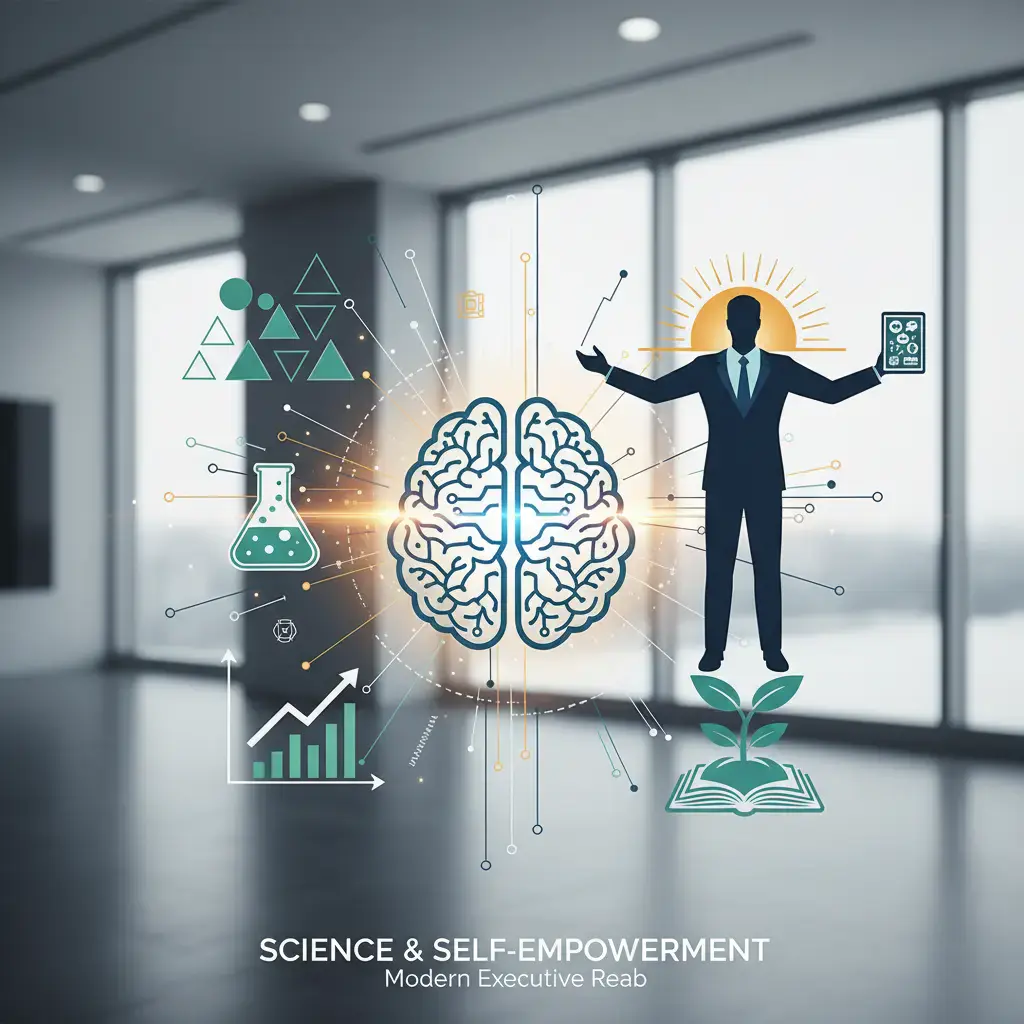
In contrast to the 12-step model, modern executive rehab is built on a foundation of science, psychology, and a deep understanding of the brain. This approach treats addiction not as a moral failing or a matter of willpower, but as a complex, treatable health condition. It replaces outdated doctrines with evidence-based strategies that empower individuals to take an active, informed role in their own recovery.
The core philosophy of this modern approach is self-empowerment. It operates on the principle that lasting change comes from within, by equipping individuals with the psychological tools and practical skills needed to manage their thoughts, emotions, and behaviors. Programs like SMART Recovery and other non-12-step modalities focus on building internal motivation and personal responsibility, which resonates strongly with the proactive mindset of a professional.
This model is not static. Unlike a fixed set of steps created nearly a century ago, modern treatment programs are dynamic and adaptable, evolving with the latest advancements in neuroscience and psychological research. This allows for the creation of highly personalized treatment plans. Instead of a one-size-fits-all approach, every aspect of the program is tailored to the individual’s unique history, co-occurring conditions, professional demands, and personal goals. It is an intelligent, sophisticated approach designed for an intelligent, sophisticated clientele.
Modern executive rehab leverages decades of scientific research to provide a sophisticated, evidence-based path to recovery.

What Defines Premier Executive Addiction Treatment Programs?
A rehab program designed for a professional leader must do more than just treat the addiction; it must address the entire context of their life. Premier executive addiction treatment programs are defined by a specific set of features that dismantle the primary barriers preventing leaders from seeking help.
- Absolute Confidentiality and Discretion: For an executive, privacy is not a luxury; it is a necessity. Top-tier programs operate with a level of discretion that goes far beyond standard HIPAA compliance. This includes secluded, private locations, individual accommodations, and a professional staff rigorously trained in handling the confidentiality of high-profile clients. Every detail is managed to ensure the client can focus on recovery without fear of their personal journey impacting their professional life.
- Flexibility for Professional Continuity: The belief that one cannot step away from work is a major obstacle to treatment. Recognizing this, executive programs provide the infrastructure to manage essential responsibilities. Amenities such as private business centers, secure high-speed internet access, and flexible scheduling allow clients to maintain critical contact with their organizations, transforming an impossible choice into a manageable reality.
- A Curated Peer Environment: Isolation is a common burden in leadership roles. The opportunity to recover alongside other professionals and executives creates a powerful dynamic. Sharing experiences with peers who understand the unique pressures of high-stakes careers fosters a profound sense of connection and mutual understanding, reducing shame and accelerating the healing process.
- Integrated Dual-Diagnosis Care: Substance use is often a symptom of a deeper issue. In high-pressure careers, the root causes are frequently burnout, chronic stress, anxiety, or depression. A premier executive program must have the clinical depth to diagnose and treat these co-occurring conditions simultaneously. This integrated approach is essential for addressing the “why” behind the addiction, which is the key to preventing relapse and building lasting resilience.
Premier executive rehab programs are defined by their ability to integrate intensive clinical care with the practical and privacy needs of a professional life.
Core Therapies in Non 12 Step Rehab for Professionals
The effectiveness of a modern rehab program lies in its use of scientifically validated therapeutic modalities. These are not abstract discussions; they are structured, skill-building sessions that provide a practical toolkit for change. Two of the most powerful and widely used therapies in non-12-step rehab for professionals are Cognitive Behavioral Therapy (CBT) and Dialectical Behavior Therapy (DBT).
Cognitive Behavioral Therapy (CBT): A CEO’s Approach to Recovery
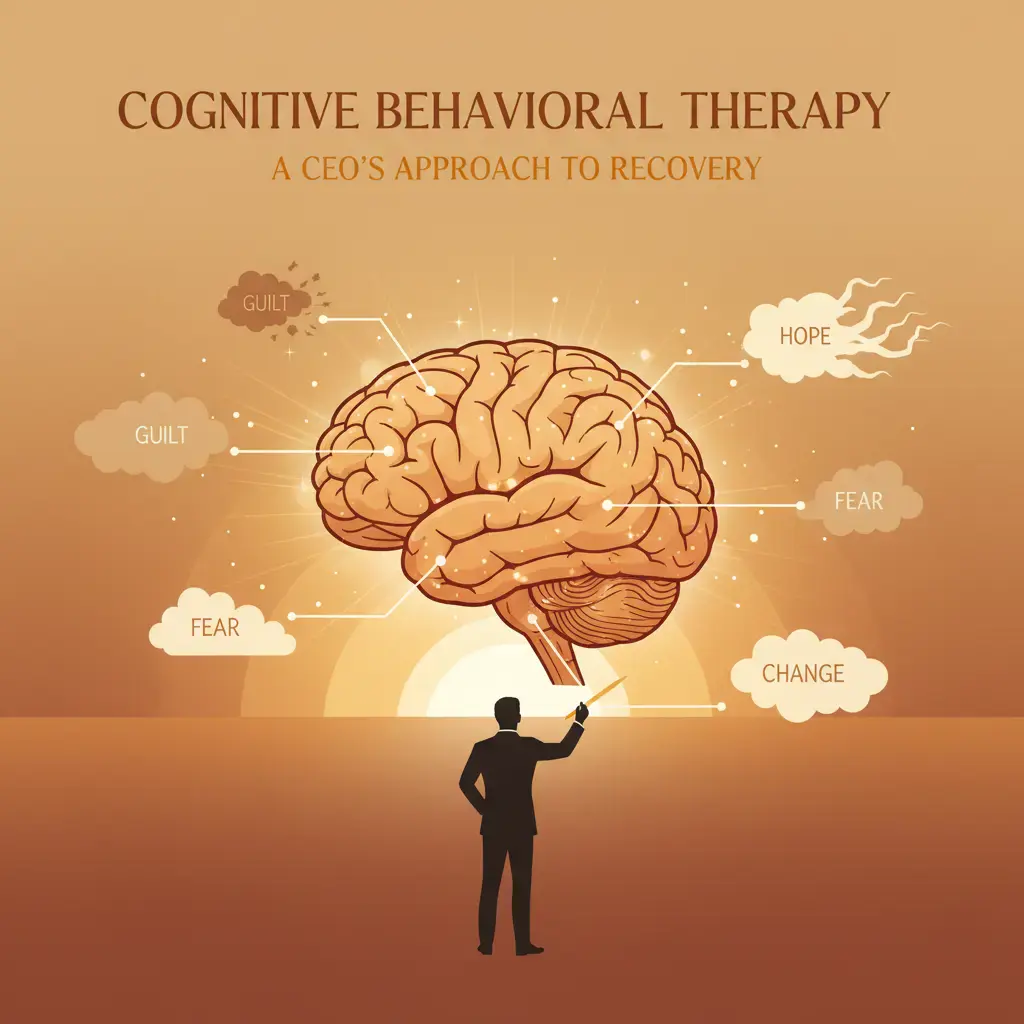
Cognitive Behavioral Therapy is a goal-oriented, practical approach to psychotherapy. It operates on a straightforward premise: the way we think and what we believe affects the way we feel and behave. In the context of addiction, CBT helps individuals identify the automatic, negative thought patterns that trigger cravings and lead to substance use.
The process is structured and collaborative, much like a strategic business project. A therapist works with the client to:
- Identify Problematic Thinking: Recognize the specific thoughts and beliefs that fuel the cycle of addiction (e.g., “I need a drink to handle this stress”).
- Challenge Those Thoughts: Examine the evidence for and against these beliefs, learning to reframe them in a more realistic and constructive light.
- Develop New Skills: Build a set of practical coping strategies to manage triggers, cravings, and stressful situations without resorting to substance use.
CBT is highly effective because it is forward-looking and focuses on tangible skill development. It is considered a “gold standard” therapy in addiction treatment, with multiple studies showing that it can help approximately 60% of participants maintain their recovery for a year or more. It is an approach that appeals to the executive mindset—logical, evidence-based, and focused on producing measurable results.
Dialectical Behavior Therapy (DBT): Building Resilience for High-Stress Environments
Dialectical Behavior Therapy is an advanced form of CBT originally developed to help individuals manage intense, overwhelming emotions. For executives, whose lives are filled with high-stress situations, DBT is an exceptionally powerful tool. It teaches practical skills across four key modules, which can be seen as a form of advanced leadership training.
- Mindfulness: The ability to be fully present and aware in the current moment, without judgment. This is the foundation for clear-headed decision-making and impulse control.
- Distress Tolerance: Learning to navigate and survive crisis situations without making them worse. This involves accepting reality as it is and developing concrete strategies to get through intense emotional pain.
- Emotion Regulation: Understanding the function of emotions and learning how to manage them effectively. This skill helps reduce emotional vulnerability and increase positive emotional experiences, preventing the need to self-medicate.
- Interpersonal Effectiveness: Mastering the skills to communicate needs clearly, set healthy boundaries, and manage conflict constructively while maintaining self-respect and important relationships.
These skills are not just therapeutic; they are core leadership competencies. By mastering the tools of DBT, an executive is not only treating their addiction but also becoming a more resilient, effective, and emotionally intelligent leader.
| DBT Skill | Executive Application |
| Mindfulness | Staying present and focused in high-stakes meetings |
| Distress Tolerance | Navigating a hostile negotiation or market downturn without reacting impulsively |
| Emotion Regulation | Managing frustration with underperforming teams constructively |
| Interpersonal Effectiveness | Setting clear boundaries and delivering difficult feedback effectively |
Evidence-based therapies like CBT and DBT provide a practical toolkit for rewiring thought patterns and building the emotional resilience required for leadership.

The Business Case for Treatment: An Investment in Your Most Valuable Asset
Viewing addiction treatment solely as a personal health expense is a critical miscalculation. For an organization, an executive’s untreated substance use disorder is a significant and escalating financial liability. The decision to seek comprehensive treatment is not an admission of failure; it is a strategic investment in mitigating corporate risk and protecting the company’s most valuable asset: its leadership.
The economic data is clear. Substance abuse in the U.S. workforce costs the economy over $700 billion annually in lost productivity, healthcare expenses, and criminal justice costs. Employees with a substance use disorder have higher rates of absenteeism, are more likely to be involved in workplace accidents, and are significantly less productive. For an executive, the impact is magnified. Their impaired judgment can lead to catastrophic financial decisions, damaged client relationships, and a decline in team morale that reverberates throughout the entire organization.
Research from the Substance Abuse and Mental Health Services Administration (SAMHSA) shows that professionals in management have higher rates of substance abuse than the general workforce, with over 12% reporting illicit drug use. Conservative estimates suggest that up to 13% of C-level executives struggle with alcohol or drug problems. The cost of replacing an executive, including recruitment and training, can be over 50% of their annual salary, while an employee with an untreated SUD costs their employer an average of over $14,000 per year. This does not even account for the potential multi-million dollar losses from a single poor decision made under the influence.
When viewed through this lens, the cost of a premier executive rehab program is a rounding error compared to the potential financial devastation of inaction. It is a proactive, responsible measure to safeguard the stability, reputation, and future of the organization.
Investing in executive recovery is not an expense; it is a crucial strategy for mitigating corporate risk and protecting the bottom line.
The Costa Rica Treatment Center Solution: A Bespoke Strategy for Your Recovery
Costa Rica Treatment Center embodies the principles of a modern, effective executive rehab program. We have designed a solution that synthesizes world-class clinical care with the privacy, flexibility, and restorative environment that leaders need to truly heal. Our approach is built not on a rigid doctrine, but on a personalized strategy for your long-term success.
Our serene and secluded location in Costa Rica offers the first essential element of recovery: a complete break from the triggers and pressures of your daily life. This therapeutic distance provides the mental space needed to engage deeply with the healing process, ensuring absolute confidentiality far from your personal and professional circles.
Your treatment will be guided by our multidisciplinary team of licensed and credentialed professionals, including board-certified physicians, psychiatrists, and clinical psychologists with extensive experience in addiction medicine. We begin with a comprehensive medical and psychiatric evaluation to develop a completely individualized treatment plan that addresses your specific needs, including any co-occurring mental health conditions.
The foundation of our program is built on evidence-based therapies like CBT and DBT. Our clinical team works with you to build the practical skills and psychological resilience needed to navigate a high-stress life without substances. This core clinical work is complemented by a holistic approach that heals the mind, body, and spirit. Through practices such as yoga, guided meditation, physical fitness, and balanced nutrition, we help you restore your overall well-being. While we recognize the value that peer support can offer, our model is evidence-based first. We utilize principles from various support models, including the 12 steps, as an optional and supplementary tool for those who find them helpful, but they are not the mandatory foundation of our program. Our primary focus is on delivering personalized, clinical care that empowers you.
Costa Rica Treatment Center provides a confidential, world-class clinical program in a restorative international setting, offering the ideal synthesis of evidence-based therapy and healing escape for leaders.
Frequently Asked Questions
Q: What is the main difference between 12-step and non-12-step rehab for professionals?
A: The primary difference is the philosophy. Non-12-step programs, like the one at Costa Rica Treatment Center, are built on psychological principles of self-empowerment and personal responsibility. We use evidence-based therapies like CBT to give you practical skills, rather than requiring you to admit powerlessness or adhere to a spiritual doctrine.
Q: Can I continue to work while in an executive addiction treatment program?
A: Yes. We understand that completely disconnecting is not always an option. Our program at Costa Rica Treatment Center is designed with flexibility, providing secure, private facilities and internet access to manage essential work responsibilities while you focus on your recovery.
Q: Is a non-12-step approach effective for alcohol addiction?
A: Absolutely. Non-12-step therapies like Cognitive Behavioral Therapy (CBT) are considered a gold standard for treating alcohol use disorder, with studies showing success rates of up to 60% in maintaining long-term recovery. At Costa Rica Treatment Center, our licensed therapists tailor these proven methods to your specific situation.
Q: I’m not religious. Is an alternative to AA for professionals better for me?
A: Many professionals prefer a secular approach. Our program is founded on science and psychology, not spirituality. Costa Rica Treatment Center provides a modern, evidence-based path to recovery that respects your personal beliefs and focuses on building practical, real-world coping skills.
Q: Why should I travel to Costa Rica for treatment?
A: Traveling to Costa Rica Treatment Center offers two key advantages: absolute privacy far from your personal and professional life, and a serene, healing environment that accelerates recovery. This allows you to fully immerse yourself in the therapeutic process without the distractions and triggers of home.
Q: How is my privacy protected in an executive rehab program?
A: At Costa Rica Treatment Center, your confidentiality is our highest priority. From our secluded location to our private accommodations and staff trained in discretion, every aspect of our program is designed to ensure your treatment remains completely private, protecting your reputation and career.
Q: What kind of therapy is used in modern rehab for executives?
A: Our program focuses on proven, evidence-based therapies tailored for high-functioning individuals. We specialize in Cognitive Behavioral Therapy (CBT) to change destructive thought patterns and Dialectical Behavior Therapy (DBT) to build resilience, emotional regulation, and stress management skills essential for leadership roles.