The Homecoming: Navigating the First 24 Hours and Beyond The day your loved one comes home from addiction treatment is a moment steeped in a powerful and complex mix of emotions. There is the profound relief that they are safe, the joy of reunion, and a fragile, burgeoning hope for a new beginning. Yet, beneath the surface often lies a deep current of anxiety, fear, and uncertainty. This is not just a happy homecoming; it is the first day of a new chapter for the entire family, and it is crucial to begin it with realistic expectations and compassionate understanding.…
The Homecoming: Navigating the First 24 Hours and Beyond
The day your loved one comes home from addiction treatment is a moment steeped in a powerful and complex mix of emotions. There is the profound relief that they are safe, the joy of reunion, and a fragile, burgeoning hope for a new beginning. Yet, beneath the surface often lies a deep current of anxiety, fear, and uncertainty. This is not just a happy homecoming; it is the first day of a new chapter for the entire family, and it is crucial to begin it with realistic expectations and compassionate understanding.
The first 24 to 48 hours set the tone for the journey ahead. The most common and perhaps most dangerous expectation families hold is that their loved one will return “cured”. It is a natural hope, born from a deep desire for the pain to be over. However, addiction is a chronic disease, and residential treatment is not a magic bullet that erases it. Rather, it is an intensive first step in what is a lifelong process of recovery and management. The person returning home is not the same person who left, nor are they the person they were before addiction took hold. They are someone new, equipped with valuable tools and insights but still navigating a world full of triggers and feeling intensely vulnerable.
Recognizing this reality is the first step in creating a truly supportive environment. The initial hours and days are a period of readjustment for everyone involved. The family dynamic, which was likely shaped and warped by the chaos of active addiction, cannot simply snap back to a pre-addiction “normal.” A new, healthier dynamic must be consciously and patiently built by all members. This begins by creating a welcoming, low-pressure atmosphere. Instead of a grand celebration that might feel overwhelming, or an intense interrogation about their time in treatment, aim for calm and normalcy. The goal is to establish a sense of safety and routine, signaling that home is a supportive space for recovery, not a place where their every move will be scrutinized.
The family’s management of their own expectations during this initial period sends a powerful, non-verbal message. Holding onto an expectation of perfection communicates immense pressure and a fundamental misunderstanding of the recovery process. At the other extreme, “walking on eggshells” communicates fear and a lack of trust, which can make the returning individual feel isolated and watched. Both of these extremes create a high-stress environment, and stress is a well-documented trigger for relapse. Therefore, the family’s most important task upon homecoming is not to manage their loved one, but to manage their own emotional output. By consciously choosing a middle path—one of calm support and cautious, informed optimism—they communicate a vital message: “We are so happy you are home, we understand this is a process, and we are here to walk it with you.” This thoughtful approach is, in itself, a family’s first active and strategic participation in relapse prevention.
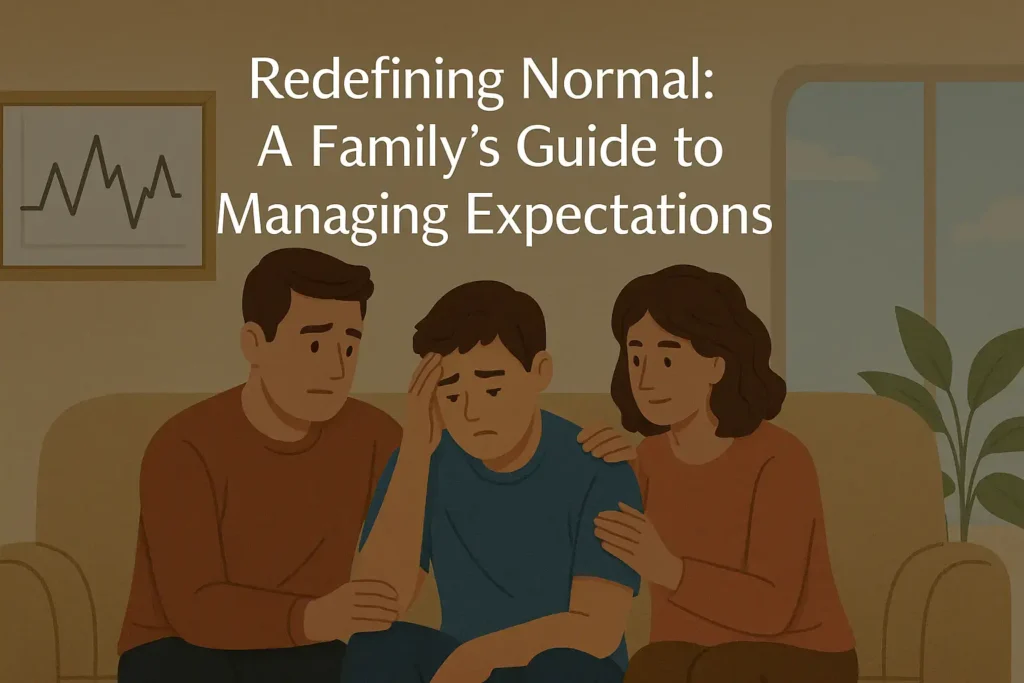
Redefining Normal: A Family’s Guide to Managing Expectations
As the initial days turn into weeks, the family must collectively redefine what “normal” looks like. The path of recovery is rarely a straight line; it is a long-term journey filled with progress, challenges, and inevitable ups and downs. There will be good days filled with clarity and hope, and there will be difficult days marked by struggle and negative emotions. Understanding and accepting this non-linear reality is essential for preventing frustration and disappointment.
The person in early recovery is navigating a complex internal landscape. Drugs and alcohol may have been their primary coping mechanism for years, and living without that crutch can feel terrifying. They may experience a wide range of emotions: fear of the future, anxiety about maintaining sobriety outside a structured environment, vulnerability, and even periods of depression alongside moments of great joy. It is important to remember that chronic substance use can alter brain chemistry, and the process of healing and creating new, healthy neural pathways takes considerable time and effort.
Simultaneously, the family is on its own emotional journey. The trauma, anger, and resentment caused by active addiction do not simply disappear when the substance use stops. Family members may grapple with their own feelings of frustration when recovery isn’t progressing as quickly or smoothly as they had hoped. It is critical to acknowledge that these feelings are valid. The family has also been wounded by the disease of addiction and needs time and space to heal.
This is why the family’s role must evolve from being mere “cheerleaders” to becoming empathetic allies. A cheerleader only celebrates the victories, which can inadvertently pressure the loved one to hide their struggles. An ally, in contrast, is willing to “dig deep down and help communicate thoughts and feelings,” creating a safe space for honesty even when the news isn’t good. This requires a fundamental shift in how the family measures success. In the throes of addiction, success was likely defined as “a day without a major crisis.” Post-treatment, the temptation is to define it as “a day of perfect, happy sobriety.” This is an unhealthy and unattainable standard. A far more functional and supportive definition of success is “a day where we, as a family, practiced healthy coping skills and honest communication, regardless of the emotional outcome.”
When a family adopts this process-oriented mindset, they remove the immense pressure on the recovering individual to be perfect. This makes it far more likely that their loved one will feel safe enough to admit when they are struggling or having cravings—a crucial behavior for preventing a slip from turning into a full-blown relapse. By focusing on the daily practice of recovery rather than the flawless performance of it, the family transforms from being judges of the outcome into true partners in the process.

The Architecture of a Supportive Home
Words of support are vital, but the physical and emotional environment of the home often speaks louder. Creating a home that actively supports recovery is a tangible, powerful way to demonstrate commitment to a new way of life. This is a form of non-verbal communication that lays a foundation of trust and solidarity.
Building a Safe Harbor
The first and most critical step is to create a physically safe environment. This means removing all potential triggers that could jeopardize sobriety.
- Remove Obvious Triggers: This is a non-negotiable act of love and support. All alcohol, illicit substances, prescription drugs that are not part of a current, managed treatment plan, and any related paraphernalia must be removed from the home. This action clearly communicates that the family prioritizes their loved one’s recovery over old habits or convenience.
- Establish Healthy Routines: Addiction thrives in chaos; recovery is built on structure. Establishing predictable, healthy routines provides a sense of stability and normalcy that is deeply comforting in early recovery. This includes regular meal times with nutritious food, consistent sleep and wake schedules, and incorporating shared healthy activities like evening walks or weekend hobbies.
- Designate a “Safe Space”: Life will inevitably bring stress. Designating a quiet corner of the home for reflection, meditation, journaling, or simply quiet time can provide a necessary escape valve for anyone in the family to manage difficult emotions in a healthy way.
The Fine Line Between Support and Control
While creating a safe structure is essential, it is equally important to avoid crossing the line into micromanagement and control. This can be one of the most difficult tightropes for a family to walk.
- Trust the Tools They’ve Learned: A quality treatment program equips individuals with a new toolkit of coping mechanisms for things like time management, stress reduction, and emotional regulation. The family’s role is to provide the space and encouragement for their loved one to practice using these new tools, not to hover over them and direct their every move.
- Embrace the Transfer of Responsibility: Effective treatment is designed to build self-efficacy and empower the individual to take ownership of their recovery. This philosophy of transferring responsibility is central to preparing someone for life outside of treatment, and the family must honor and support this transfer at home. It means allowing them to manage their own schedule of meetings and appointments. It means trusting them to make healthy choices.
- Avoid Counterproductive Behaviors: Fear can drive families to engage in behaviors that ultimately undermine recovery. It is critical to consciously avoid nagging about their recovery plan, checking their phone or wallet for signs of trouble, or insisting on accompanying them everywhere they go. While these actions may feel protective, they communicate a profound lack of trust, which can erode the person’s confidence, create resentment, and hinder their ability to develop the autonomy needed for lasting sobriety. The home should be a safety net, not a cage.

The Language of Healing: Communication and Rebuilding Trust
Addiction systematically destroys communication. It replaces honesty with deception, empathy with blame, and open dialogue with tense silence or explosive arguments. Rebuilding healthy communication is not just about talking more; it is about learning an entirely new language of healing, one rooted in respect, empathy, and emotional safety for everyone in the family.
Moving from Blame to Empathy
Transforming family dialogue requires a conscious effort to adopt new, more constructive communication patterns.
- Practice Active Listening: This is more than just hearing words; it is about being fully present and seeking to understand. When your loved one is speaking, put away distractions like phones, make eye contact, and listen without planning your rebuttal. Reflect back what you hear (“It sounds like you’re feeling overwhelmed by…”) to show you understand and to validate their feelings without judgment.
- Use “I” Statements: This simple technique can revolutionize difficult conversations. Instead of starting sentences with an accusatory “you” (e.g., “You always make me worry”), frame your feelings from your own perspective (e.g., “I feel worried when I don’t hear from you.”). This approach expresses your emotions without assigning blame, which dramatically reduces defensiveness and opens the door for a more productive dialogue.
- Avoid Stigmatizing Language: Words have immense power. Labels like “addict” or “alcoholic” can perpetuate shame and make a person feel defined by their disease. Instead, use person-first language, such as “my son, who is in recovery,” which separates the person from the illness and affirms their identity and dignity.
- Don’t Rehash the Past: In the fragile early stages of recovery, the primary focus must be on stabilizing the present and building a healthy future. Constantly bringing up past mistakes and hurts is counterproductive and serves only to reinforce shame. While those wounds are real and will need to be addressed, the appropriate venue is often a structured family therapy session with a professional, not the kitchen table on a Tuesday night.
Trust as a Process, Not a Gift
For many families, the deepest wound left by addiction is the complete erosion of trust. Rebuilding it is one of the most critical—and challenging—tasks of post-treatment life.
- Trust Must Be Earned: It is essential for everyone to understand that trust is not a switch that can be flipped back on. It is not a gift to be given freely on the day of homecoming but something that must be earned and rebuilt, step by step, through consistent, honest actions over a long period of time.
- Patience is Paramount: This process requires immense patience from all sides. Family members must be patient as they look for patterns of trustworthy behavior. The person in recovery must be patient and understand that their words alone are not enough to erase the past; their actions will be what ultimately rebuilds the foundation of trust.
- Transparency Fosters Trust: The fastest way to rebuild trust is through a commitment to rigorous honesty. This creates a virtuous cycle: when a person in recovery is vulnerable and open about their struggles, and the family responds with empathy and support instead of panic, it reinforces that honesty is safe. This safety encourages more honesty, which in turn slowly rebuilds the broken bonds of trust. The ultimate goal is to create a family system where the truth, even when it is difficult, can be spoken without fear of destroying relationships.

Healthy Boundaries: The Foundation of Mutual Respect and Recovery
The concept of “boundaries” is one of the most important and misunderstood in family recovery. Boundaries are not punishments, threats, or attempts to control another person. They are clear, loving limits that family members set to protect their own physical, emotional, and mental well-being. They are an act of self-preservation that is essential for ending dysfunctional dynamics and creating a healthy environment where recovery can flourish for everyone.
Identifying and Ending Enabling Behaviors
Out of love, fear, and a desperate desire to keep the peace, families often fall into patterns of enabling. Enabling is any action that protects the person with a substance use disorder from the natural consequences of their behavior. This can include making excuses for them, lying to cover for them, giving them money, or absorbing the fallout from their choices. While it may feel like helping in the moment, enabling is deeply harmful because it shields the person from the very realities that might motivate them to change.
Setting healthy boundaries is the direct antidote to enabling. It involves shifting from the role of a “caretaker,” who tries to manage the person’s life, to a “supporter,” who encourages them to take responsibility for their own recovery. Letting a loved one face the consequences of a poor decision—like explaining their own absence to an employer—is not cruel. It is a vital part of respecting their autonomy and allowing them to learn and grow.
How to Set and Communicate Boundaries
Effective boundaries are built on clarity, calmness, and consistency.
- Be Clear, Calm, and Consistent: A boundary should be a simple, direct statement communicated without anger or blame. For it to be effective, it must be enforced every time it is crossed.
- Focus on Your Own Actions: The key to a healthy boundary is that it controls your behavior, not theirs. Frame it around what you will or will not do. For example, instead of saying, “You are not allowed to ask me for money,” which is a demand, say, “I will no longer be giving you cash”. This puts the power and responsibility for the action squarely on you.
- Define Consequences: A boundary without a consequence is merely a suggestion. The consequence should be a natural outcome that you have the power to enforce. For example: “I love you, but I cannot be around you when you are drinking. If you choose to drink in our home, I will go to my sister’s house for the evening to protect my own peace.”.
The following table illustrates the crucial difference between actions that harm and actions that help.
| Situation | Unhealthy Enabling (Harmful) | Healthy Boundary (Helpful) |
| Request for Money | Giving cash without question, knowing it may be used for substances. | “I love you and want to support your recovery, but I will not be giving you cash. I am happy to buy you groceries or pay a bill directly.” |
| Missed Work/Obligation | Calling their boss to make an excuse for them. | “I cannot lie for you. You will have to face the consequences of that decision yourself.” |
| Intoxication at Home | Ignoring it to avoid a fight, or engaging in a circular argument. | “I can see that you are under the influence, and I am not willing to engage with you right now. We can talk when you are sober.” |
| Blaming and Guilt-Tripping | Accepting blame for their addiction or choices to keep the peace. | “I am not responsible for your choices or your feelings. I am only responsible for my own.” |
| Maintaining Your Own Life | Canceling your own plans, neglecting your health, and focusing 100% on them. | “I am going to my support group meeting tonight. It is important for my own well-being.” |
The Unseen Patient: Why Family Self-Care is Essential
For years, the family’s energy, attention, and resources have likely been consumed by the chaos of addiction. It is a disease that affects the entire family system, causing chronic stress, anxiety, fear, and trauma. In the journey of recovery, it is vital to recognize that the family members are, in their own way, patients too. Their well-being is not a luxury to be considered after their loved one is “fixed”; it is an absolute necessity for creating a sustainable, long-term recovery environment for everyone.
The old saying, “You can’t pour from an empty cup,” is profoundly true in this context. A caregiver who is burned out, emotionally exhausted, and physically depleted cannot be an effective source of support. Neglecting your own needs does not help your loved one; it only ensures that there will be two depleted people in the house instead of one. Prioritizing self-care is not selfish; it is a strategic and essential part of supporting the family’s collective healing.
Furthermore, when family members actively practice self-care, they are powerfully modeling the very behaviors they hope to see in their loved one. When you come home from a stressful day and go for a walk, take a hot bath, or call a supportive friend, you are demonstrating a healthy way to cope with life’s challenges. This is far more impactful than any lecture or piece of advice you could give.
Self-care is the ultimate act of setting a boundary. It is a declaration that the family’s health, identity, and happiness will no longer be held hostage by the disease of addiction. This shift is profoundly healing. It decenters the addiction and allows family members to support their loved one from a place of strength and choice, rather than desperation and fear. This emotional and psychological separation is the antidote to codependency and the foundation for the family’s own recovery journey.
Practical self-care strategies include:
- Physical Well-being: Make a conscious effort to prioritize adequate sleep, nutritious food, and regular physical activity. These are the cornerstones of resilience and stress management.
- Emotional Health: Seek your own individual therapy or counseling to process the trauma and grief associated with your loved one’s addiction. Make time to reconnect with friends, hobbies, and activities that bring you joy and may have been abandoned during the crisis.
- Social Support: You are not alone. Attending support groups specifically for families, such as Al-Anon (for families of alcoholics) or Nar-Anon (for families of drug addicts), can be life-changing. These groups provide a safe space to share your experience with others who truly understand, reducing feelings of isolation and providing practical coping strategies.
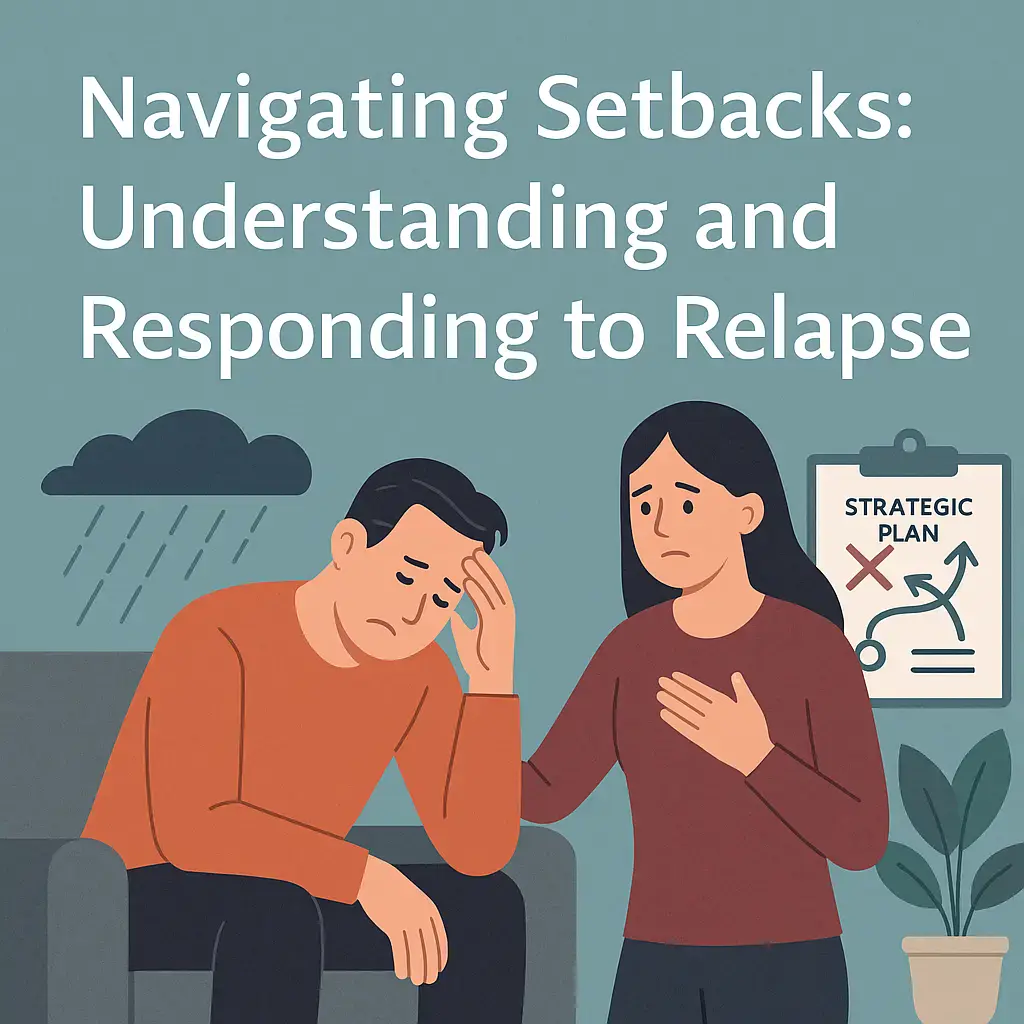
Navigating Setbacks: Understanding and Responding to Relapse
For most families, the single greatest fear is relapse. It is crucial to address this fear head-on with information and a strategic plan. The most important shift in perspective is to frame relapse not as a moral failure or the end of recovery, but as a potential recurrence of a chronic disease—much like a diabetic patient having a problem with their blood sugar. This viewpoint drastically reduces the panic and shame that can make a bad situation worse, allowing for a more calm and effective response.
A critical piece of knowledge for families is that relapse is a process, not a singular event. It typically begins long before the person picks up a drink or a drug. Experts identify three stages: emotional relapse, mental relapse, and finally, physical relapse.
- Emotional Relapse: The person isn’t thinking about using, but their emotions and behaviors are setting them up for it. They may be bottling up feelings, isolating themselves, or neglecting self-care practices.
- Mental Relapse: A war begins in their mind. They may be fantasizing about past use, minimizing the negative consequences, or bargaining with themselves (“I can just have one”).
- Physical Relapse: This is the final stage, where the person engages in the act of using.
Understanding these stages empowers families to recognize the more subtle, earlier warning signs, which provides an opportunity to intervene with support before a physical relapse occurs.
A Plan for Compassionate Action
The worst time to decide how to handle a relapse is in the middle of one. The best approach is to have a family relapse prevention plan discussed and agreed upon in a calm moment, long before it is needed. This plan should outline specific actions and reinforce the boundaries the family has set. When a relapse is suspected or confirmed, the goal is to respond with the plan, not to react with emotion.
- Respond, Don’t React: Initial reactions of anger, blame, or intense disappointment, while understandable, are counterproductive. They often push the person further into shame and isolation, making it harder for them to ask for help. A calm, concerned response that reinforces the agreed-upon plan is far more effective.
- Encourage Honesty and a Return to Treatment: The primary objective is to guide the person back to their support system—their therapist, sponsor, support groups, or potentially a higher level of care. The conversation should be one of concern, not condemnation, aimed at helping them get back on the path of recovery without enabling the relapse itself.
The following checklist can help families identify the early warning signs, transforming them from passive worriers into proactive, informed supporters.
| Category | Warning Signs to Watch For | |||
| Emotional Signs | – Increased mood swings, irritability, or anger. | – Symptoms of anxiety or depression returning. | – Overconfidence or complacency; statements like “I don’t need meetings anymore”. | – Expressing feelings of hopelessness or helplessness. |
| Behavioral & Mental Signs | – Romanticizing past drug/alcohol use; talking about the “good old days”. | – Lying or being defensive about their schedule or activities. | – Neglecting recovery practices: skipping therapy, meetings, or contact with their sponsor. | – A decline in self-care: poor hygiene, unhealthy eating, poor sleep patterns. |
| Social Signs | – Withdrawing from family and positive supports; social isolation. | – Reconnecting with old friends or dealers who are still using. | – Visiting high-risk places like bars or old hangouts. |
The Journey Forward: The Lifelong Commitment to Continuing Care
Completing a residential treatment program is a monumental achievement, but it is the starting line, not the finish line. The true measure of a treatment center’s value is not just what happens within its walls, but how effectively it prepares the individual and their family for the days, months, and years that follow. This long-term strategy is known as “continuing care” or “aftercare,” and it is the bridge between the structured safety of treatment and a successful, independent life in recovery. Research consistently shows that sustained engagement in aftercare for at least a year significantly improves long-term sobriety outcomes.
Addiction is best understood as a chronic condition that requires ongoing management, similar to diabetes or heart disease. An effective aftercare plan is the personalized management strategy that helps prevent the disease from becoming active again. The key components of a comprehensive aftercare plan work together to create a robust support system:
- Ongoing Therapy: Continuing with individual, group, or family therapy sessions on an outpatient basis provides a consistent space to process challenges, refine coping skills, and maintain accountability.
- Support Groups: Peer support is a cornerstone of lasting recovery. Groups like Alcoholics Anonymous (AA) and Narcotics Anonymous (NA) offer a free, accessible, and powerful community of people with shared experiences who support each other in staying sober.
- Family Support: The family’s recovery journey is parallel to their loved one’s. Family-specific support groups like Al-Anon and Nar-Anon are invaluable resources. They provide a dedicated, confidential space for family members to learn about addiction, develop healthy coping mechanisms, and heal from the impact of the disease.
- Holistic Practices: Lasting recovery involves healing the whole person—mind, body, and spirit. Incorporating practices like mindfulness, meditation, regular exercise, and a nutritious diet into a daily routine helps manage stress and builds a resilient foundation for a sober lifestyle.
Family therapy plays a particularly crucial role in the continuing care phase. It provides a structured, professionally guided environment where the entire family system can heal. In these sessions, families can safely address long-standing conflicts, practice new communication skills, and work together to rebuild the trust that was shattered by addiction.
This is why comprehensive treatment centers, such as the Costa Rica Treatment Center, emphasize a holistic approach from the very beginning. By incorporating services like family therapy with professionals like a dedicated Family Therapist and providing resources for aftercare planning before a client even leaves , they help build a strong foundation not just for the individual’s sobriety, but for the entire family’s long-term healing journey. This focus on preparing for the “journey forward” demonstrates a sophisticated, medically sound understanding of addiction as a chronic condition that requires a lifetime of mindful management.
Conclusion: Building a Future on Hope and Honesty
The day your loved one comes home is the beginning of a new, shared journey. It is a path that requires a profound shift in perspective—away from the expectation of a quick fix and toward the reality of a gradual, ongoing process of healing for the entire family. The road ahead will not always be easy, but it is one that holds immense promise.
By managing expectations, communicating with empathy, establishing healthy boundaries, and making self-care a non-negotiable priority, families can transform their homes into powerful environments for healing. This journey is not merely about surviving the aftermath of addiction; it is a unique opportunity to dismantle old, painful dynamics and build a new family foundation on the principles of honesty, respect, and resilience.
There may be setbacks along the way, but they do not signify failure. They are a part of the process. With patience, compassion, and a commitment to utilizing the right support systems, it is entirely possible to navigate these challenges and move forward. The future you hoped for—one free from the chaos of addiction and filled with authentic connection—is achievable. It is built one day at a time, with courage, honesty, and the unwavering belief in the power of recovery for everyone involved.