Navigating Hope and Helplessness Across the Miles The moment a loved one enters a rehabilitation facility for a substance use disorder is often a complex whirlwind of emotions. There is the profound, gut-wrenching relief that they are finally safe and in a place where they can get the help they so desperately need. This relief, however, is frequently shadowed by a deep sense of helplessness, a feeling magnified by physical distance. When you are separated by hundreds or even thousands of miles, it’s natural to feel anxious, disconnected, and powerless, questioning how you can possibly offer meaningful support from so…
Navigating Hope and Helplessness Across the Miles
The moment a loved one enters a rehabilitation facility for a substance use disorder is often a complex whirlwind of emotions. There is the profound, gut-wrenching relief that they are finally safe and in a place where they can get the help they so desperately need. This relief, however, is frequently shadowed by a deep sense of helplessness, a feeling magnified by physical distance. When you are separated by hundreds or even thousands of miles, it’s natural to feel anxious, disconnected, and powerless, questioning how you can possibly offer meaningful support from so far away.
The journey to this point was likely fraught with difficult conversations, denial, and fear. It is crucial to understand that this new phase—their time in treatment—is not an end to the family’s stress, but a fundamental shift in its nature. The key to navigating this period is to reframe your perspective on the distance itself. What feels like a barrier is, in fact, a powerful and often necessary therapeutic tool. The separation from familiar environments, triggers, and relationship dynamics that may have fueled the addiction is a cornerstone of effective recovery.
This perceived loss of control and agency is perhaps the most significant emotional challenge for a long-distance supporter. The purpose of this guide is to restore that sense of agency. It will transform your role from that of a passive worrier to an active, strategic supporter. Effective support is not about physical proximity; it is about the quality of your interaction and the health of your boundaries. Your position, managed correctly, is not a handicap but a strategic advantage for your loved one’s recovery. This is your guide to making that distance effective.
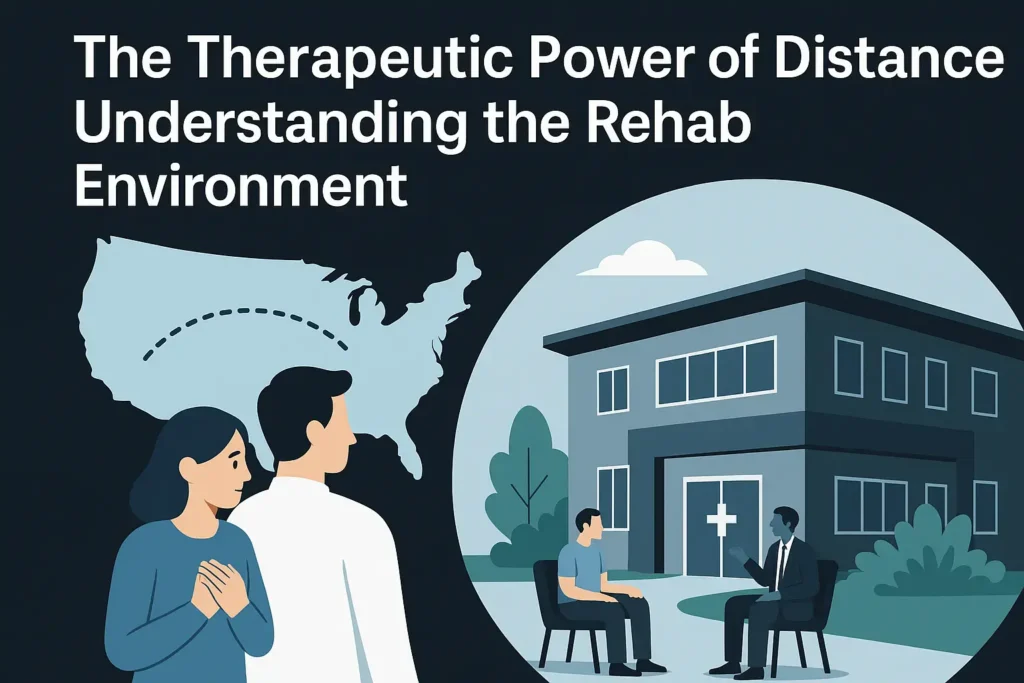
The Therapeutic Power of Distance: Understanding the Rehab Environment
To effectively support your loved one, it is essential to first demystify the rehabilitation process and understand why physical separation is not just a facility policy, but a clinical necessity. This understanding can help alleviate the anxiety that comes from the unknown and build trust in the process.
The Initial “Blackout” Period
Most high-quality residential treatment centers enforce a period of limited or no outside communication during the initial phase of treatment, often called a “blackout” period. This can be jarring and painful for families, but it is not a punitive measure. It is a medically supervised necessity. During the first few days or weeks, your loved one is undergoing detoxification, a physically and emotionally grueling process where their body works to clear itself of substances. They require the entirety of their focus and energy to manage this stage and begin integrating into the “therapeutic community” of the facility. Constant contact with the outside world can be a significant distraction, making it harder for them to adjust and commit to the intensive work ahead.
This period serves a dual therapeutic purpose. While it protects the patient’s focus, it also forces the family system to immediately confront its own dynamics. A family that has grown accustomed to a state of constant crisis management—tracking, worrying, and reacting—suddenly has the object of its focus removed. This creates a vacuum, forcing the family’s communication patterns and emotional energy, previously centered on the individual with the addiction, to turn inward. The anxiety that arises is not just about missing the person; it is a symptom of a deeply ingrained, albeit unhealthy, family system being disrupted. This blackout period is the family’s first opportunity for self-reflection. It is not a painful waiting game, but “Week One” of the family’s own recovery journey.
Breaking the Cycle: The Benefit of a New Environment
A core benefit of attending a rehab facility, particularly a “destination rehab,” is the physical removal from the home environment. Addiction is often deeply intertwined with a person’s surroundings. This separation temporarily removes them from the daily triggers—the people, places, routines, and stressors—that are associated with their substance use. It also creates a crucial pause in unhealthy relationship dynamics, such as enabling or codependency, allowing both the individual and their family members to begin their own healing work in parallel.
Focus and Anonymity
Traveling for treatment provides a unique level of focus and privacy. Being in a new, unfamiliar location allows the individual to immerse themselves completely in the difficult work of recovery without the fear of being recognized by acquaintances or worrying about the stigmas that may exist in their home community. This anonymity can foster a greater sense of safety and willingness to be vulnerable, which is essential for therapeutic progress.
Unique Therapeutic Opportunities
Destination rehabs often leverage their unique locations to offer specialized, evidence-based therapies that may not be available elsewhere. For example, a facility in a serene, natural setting can provide ecotherapy (nature therapy), which has been shown to improve memory, attention, and cognitive function, and is particularly beneficial for treating co-occurring mental health disorders like depression and anxiety that often accompany addiction. Other modalities like adventure therapy, equine-assisted therapy, or therapeutic horticulture can provide new perspectives and profound healing experiences, helping individuals build resilience and develop healthier coping mechanisms.

The Art of Connection: Meaningful Communication Across the Miles
Once the initial blackout period is over and communication is permitted, your interactions become a vital part of the support process. The goal is to ensure these connections are therapeutic and encouraging, rather than stressful or counterproductive. This requires a thoughtful, deliberate approach centered on quality over quantity.
Following the Professional Playbook
First and foremost, it is critical to respect the communication guidelines set by the treatment facility. The clinical team—the counselors and therapists—are the experts. They will determine the appropriate timing, frequency, and format of communication based on your loved one’s specific needs and progress in their treatment plan. Adhering to these rules is one of the most fundamental ways you can demonstrate your support for their recovery and your trust in the professionals guiding them.
Beyond Words: Letters, Emails, and Care Packages
In addition to phone or video calls, consider other ways to show you care. Writing a letter or an email can be a powerful tool. It allows you to express your feelings thoughtfully and without the pressure of a real-time conversation, and it gives your loved one a tangible piece of your support that they can read and re-read. If you plan to send a care package, always check with the facility first for a list of approved items.
Preparing for the Call
When it is time for a scheduled call, be emotionally prepared. Your loved one is on an intense journey and may have good days and bad days. They might sound angry, sad, or overwhelmed. They may even express a desire to leave treatment. This is a normal part of the process as they confront difficult truths and learn to cope without substances. Your role is not to solve their problems or get drawn into an argument, but to be a calm, loving, and consistent presence. The goal is to listen with compassion and offer encouragement, reminding them of their strength and your belief in them.
To help navigate these crucial conversations, it is helpful to have a clear framework of what to say and what to avoid.
| DO ✅ | WHY IT HELPS | DON’T ❌ | WHY IT HARMS |
| Say “I love you” and “I’m proud of you.” | Expressing unconditional love and acknowledging their courage reinforces their self-worth and motivation. | Lecture, blame, or bring up past mistakes. | This induces shame and guilt, which are major relapse triggers, and reinforces the idea that they are the “problem”. |
| Ask “How are you feeling?” and “What are you learning?” | This shows genuine interest in their internal experience and recovery process, validating their hard work. | Ask “When are you coming home?” or talk about all the problems at home. | This creates pressure and distracts them from the present moment, pulling them out of the therapeutic environment. |
| Talk about a positive, shared future. | Focusing on future sober celebrations and activities gives them something hopeful to work towards. | Gossip or discuss stressful family/financial news. | Their emotional resilience is low. Adding external stress can overwhelm their coping skills and hinder recovery. |
| Remind them to “take it one day at a time.” | This classic recovery slogan helps them focus on manageable steps and reduces the overwhelming feeling of a lifelong battle. | Talk about your own drinking or social events involving alcohol/drugs. | This is a major trigger and is deeply insensitive to their struggle. It can create intense cravings. |
| Express your belief in their ability to succeed. | Your confidence can be a powerful antidote to their own self-doubt and insecurity during this vulnerable time. | Try to “fix” their problems or give unsolicited advice. | Their treatment team is there to guide them. Your role is to be a supportive listener, not a second therapist. |
Healthy Boundaries: Your Blueprint for Sustainable Support
Perhaps the most challenging and most crucial aspect of supporting a loved one in recovery is learning to set and maintain healthy boundaries. It is essential to reframe your understanding of boundaries: they are not acts of punishment or rejection, but the ultimate expression of love and respect for both yourself and the person in recovery. Boundaries are about protecting your own well-being so you can provide sustainable support, and they empower your loved one by fostering accountability and self-reliance.
Redefining “Help”: Moving from Enabling to Empowering
Addiction has a way of blurring the lines between helping and hurting. Behaviors that feel supportive on the surface can often be forms of enabling—actions that shield the individual from the natural consequences of their substance use. Enabling includes making excuses for their behavior, paying off their debts, lying to protect them, or providing financial support that fuels their addiction. True support, in contrast, involves encouraging treatment, expressing love and concern, and holding them accountable for their actions. Recovery requires that these lines be redrawn with clarity and conviction. Enabling is like giving a drowning person more water; support is throwing them a life raft (treatment) and encouraging them to learn to swim (develop recovery skills).
The act of setting these boundaries is a form of “detox” for the family member. Codependency, a common feature in families affected by addiction, involves a blurring of identities and an enmeshment of emotional states, where a family member’s mood is dictated by the addicted person’s behavior. A boundary is a declaration of emotional and practical separateness: “Your choices are yours, and my well-being is my responsibility”. Enforcing this boundary, especially when it causes distress to a loved one who is accustomed to being enabled, is difficult. It requires the family member to tolerate their loved one’s negative emotions without rushing in to “fix” them. This process is the family member’s own journey of learning to self-soothe, find their own emotional baseline, and build self-respect outside of their role as a caretaker.
Drawing Your Lines from a Distance
Even from thousands of miles away, you can establish clear and effective boundaries. These often revolve around finances, communication, and emotional expectations.
- Financial Boundaries: A common and crucial boundary is to stop providing direct financial support that is not related to treatment. A clear statement could be: “I love you and support your recovery completely. For that reason, I will no longer be sending you money for personal use. I am happy to contribute directly to your treatment center for any approved needs”.
- Communication Boundaries: Your loved one is in a 24/7 supervised environment with a professional support team. You are not their primary crisis manager. You can set a boundary like: “I am looking forward to our scheduled call on Sunday. I need you to know that I cannot answer frantic or unscheduled calls in the middle of the night. You have a dedicated support team there to help you with crises at any time”.
- Emotional Boundaries: You have a right to be treated with respect. An emotional boundary might sound like: “I am always here to listen to you talk about your feelings and your progress in recovery. However, I will end the conversation if you start yelling, blaming me, or become verbally abusive”.
Communicating and Upholding Boundaries
The key to effective boundaries is clear communication and unwavering consistency. Use “I” statements to express your needs without sounding accusatory. The formula is simple: “I feel [your emotion] when you [their behavior], so I will [your action/boundary]”. This structure makes it clear that you are not trying to control them, but rather defining your own response to their behavior. A boundary that is not consistently enforced is merely a suggestion and will not be respected. It takes courage to hold the line, but it is a vital part of creating a new, healthier dynamic for the future.

Your Parallel Journey: Prioritizing Your Own Well-Being
It is a well-established truth in the treatment community that addiction is a “family disease”. The chaos, stress, and trauma of a loved one’s active addiction take a profound toll on the mental, physical, emotional, and financial health of the entire family. As your loved one begins their journey of healing, it is imperative that you begin your own. Prioritizing your self-care is not a selfish act or a luxury; it is a non-negotiable prerequisite for being an effective, resilient, and sustainable support system for the long road ahead.
The commitment a family member makes to their own well-being serves as a powerful, non-verbal model for their loved one. It fundamentally shifts the family dynamic from an unhealthy “sick person/caretaker” model to a much healthier “two people on parallel recovery journeys” model. When the person in rehab is learning new, healthy ways to cope with stress, returning to a family system where the primary coping mechanisms are worry, control, and self-neglect can be incredibly triggering. However, if the family member is actively practicing self-care—attending therapy, exercising, and maintaining boundaries—they are demonstrating what healthy adulthood and stress management look like in practice. This modeling is more powerful than any lecture. It shows the person in recovery that a fulfilling, sober life is possible and that the entire family is committed to a new, healthier way of living.
A Practical Guide to Self-Care
- Seek Your Own Support: You do not have to go through this alone. Find a therapist or counselor who can provide a safe space to process your own feelings of anger, grief, and fear. Connect with peer support groups like Al-Anon or Nar-Anon. These groups offer an invaluable community of people who have shared experiences and can offer understanding and guidance without judgment.
- Reconnect and Re-engage: Active addiction often isolates the entire family. Make a conscious effort to reconnect with the friends, family members, and hobbies that may have been neglected during the chaos. Re-engaging with your own life and sources of joy is a powerful antidote to the all-consuming nature of a loved one’s addiction.
- Tend to Your Physical Health: Chronic stress depletes the body’s resources. Make your physical health a priority. Focus on getting adequate sleep, eating nutritious meals, and incorporating regular physical activity into your routine. A healthy body is the foundation for emotional resilience.
- Practice Mindfulness: The anxiety of having a loved one in rehab can be overwhelming. Simple mindfulness practices can help you stay grounded in the present moment. Consider journaling to process your thoughts, trying a guided meditation app, or simply spending quiet time in nature.
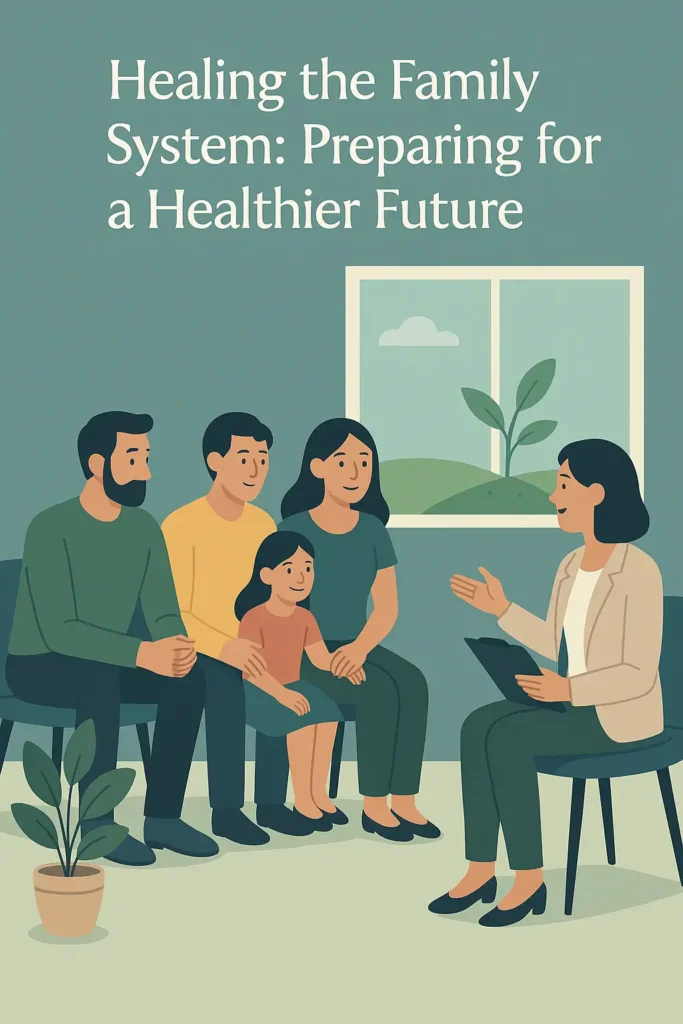
Healing the Family System: Preparing for a Healthier Future
As you navigate the immediate challenges of supporting your loved one, it is also beneficial to broaden your perspective toward the long-term goal: healing the entire family unit. Lasting recovery is rarely achieved in isolation. It depends on the health and stability of the support system the individual will return to. This is where family therapy becomes an indispensable tool.
Addiction as a Family System Issue
It is helpful to think of a family as an interconnected system, like a mobile. When one part moves, every other part is affected. Addiction does not just impact one person; it reorganizes the entire family system around it, creating unhealthy roles, communication patterns, and coping mechanisms to maintain a dysfunctional balance, or homeostasis. To truly heal, the entire system must be addressed.
The Role of Family Therapy
Participating in family therapy, even remotely via video conference, is one of the most powerful actions you can take. It provides a safe, professionally mediated space for the family to begin its healing process. The benefits are extensive and well-documented. Research consistently shows that family involvement in treatment significantly improves retention rates, enhances social functioning, and reduces the risk of relapse. In these sessions, families can:
- Improve Communication: Learn to express feelings and resolve conflicts constructively, breaking cycles of blame and misunderstanding.
- Rebuild Trust: Begin the slow, deliberate process of rebuilding the trust that has been eroded by the dishonesty and broken promises that often accompany addiction.
- Receive Education: Gain a deeper understanding of addiction as a brain disease, which helps to reduce stigma and blame within the family.
- Address Unhealthy Dynamics: Identify and begin to change the enabling behaviors and codependent patterns that have allowed the addiction to thrive.
Recognizing that lasting recovery depends on a healthy support system, the most effective treatment programs make family involvement a cornerstone of their philosophy. Holistic centers, for example, understand that healing must occur on a systemic level. At the Costa Rica Treatment Center, the multidisciplinary team includes professionals like a Psychologist Family Therapist who focuses specifically on “the systemic environment of the individual, support networks… and family”. This integrated approach ensures that when your loved one is ready to transition out of treatment, they are returning to a family unit that has also been healing and is better equipped to support their new, sober life.
Conclusion: Embracing the Journey with Hope and Strength
Supporting a loved one in rehab from thousands of miles away is a profound challenge, but it is far from an impossible one. By shifting your perspective, you can see that your role is not defined by physical presence but by the quality and health of your support. Your love, when channeled through respectful communication, strong boundaries, and a commitment to your own well-being, is an incredibly powerful force for healing.
Remember that recovery is a marathon, not a sprint. It is a long-term journey with inevitable ups and downs for both your loved one and your family. Embrace patience and persistence as your guiding principles. This difficult period is an investment—an investment in a new, healthier future for your loved one and for your entire family. You are not helpless in this process. You are a vital, indispensable part of their healing, and your own.