The Courage to Heal in a Place of Peace Making the decision to seek treatment for addiction is one of the most courageous and significant steps an individual can take. It is not an admission of defeat but a powerful declaration of hope and a proactive choice to reclaim one’s health, relationships, and future. This journey, while challenging, is a profound investment in a life of freedom and purpose. Choosing the right environment for this transformative work is paramount, and for many, the path to recovery leads to Costa Rica. Known for its philosophy of “Pura Vida” or “pure life,”…
The Courage to Heal in a Place of Peace
Making the decision to seek treatment for addiction is one of the most courageous and significant steps an individual can take. It is not an admission of defeat but a powerful declaration of hope and a proactive choice to reclaim one’s health, relationships, and future. This journey, while challenging, is a profound investment in a life of freedom and purpose. Choosing the right environment for this transformative work is paramount, and for many, the path to recovery leads to Costa Rica.
Known for its philosophy of “Pura Vida” or “pure life,” Costa Rica offers a uniquely therapeutic setting. Its tranquil landscapes, lush rainforests, and serene beaches provide a vital sanctuary, far removed from the triggers, pressures, and routines of daily life. This intentional distance creates an unparalleled opportunity for deep, focused healing. In such an environment, surrounded by the restorative power of nature, individuals can fully immerse themselves in the process of recovery—healing the mind, body, and spirit. This guide is designed to be a comprehensive companion for this journey, providing a practical, step-by-step checklist to help manage the logistics, ease anxieties, and prepare thoroughly for the life-changing work ahead.
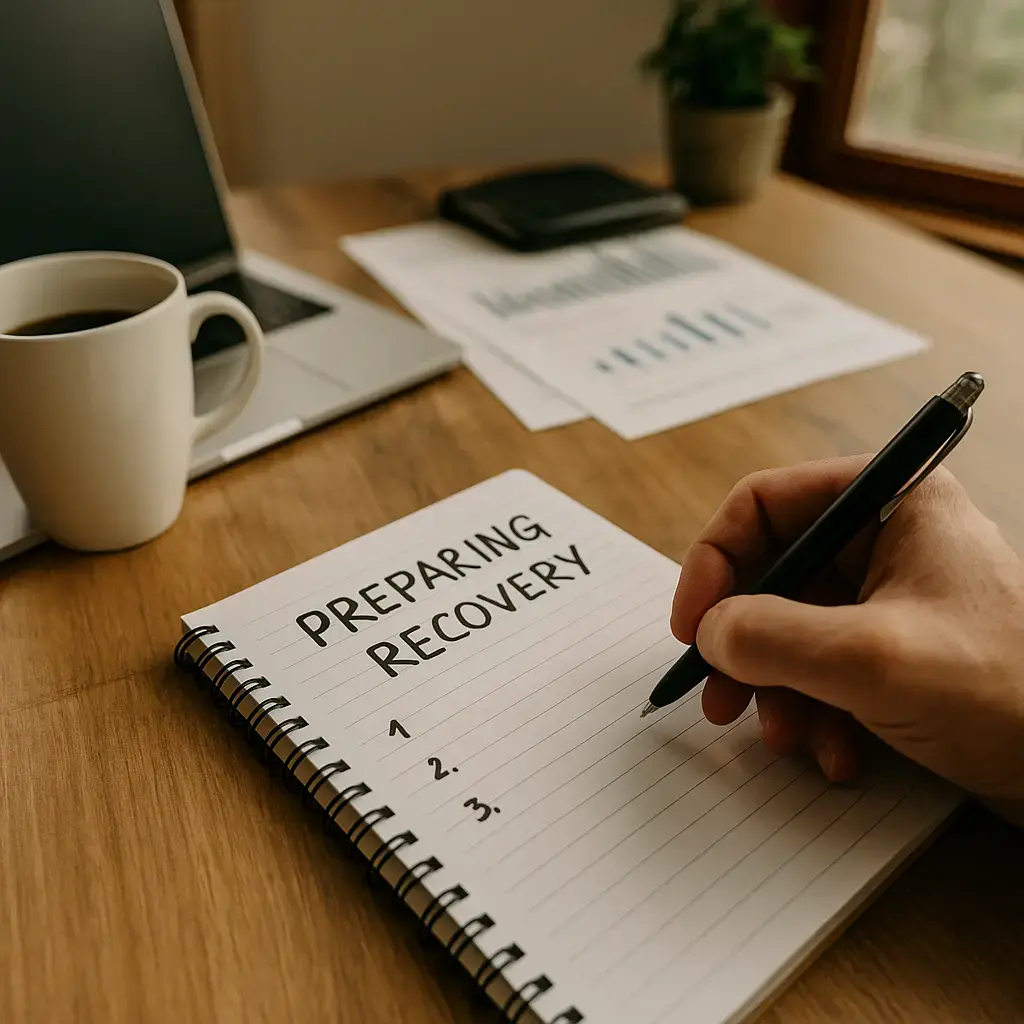
Foundational Steps — Preparing Your Life for Recovery
The process of organizing one’s life before departing for treatment is more than a series of logistical tasks; it is the first tangible act of taking control and prioritizing well-being. By methodically addressing professional, financial, and personal responsibilities, an individual creates a foundation of stability. This preparation minimizes external distractions and anxieties, liberating them to be fully present and engaged in their treatment program from the moment they arrive. This is the first empowering chapter of the recovery story.
Handling Professional and Financial Responsibilities
A clear mind is essential for recovery, and financial or professional worries are significant obstacles to achieving that clarity. Addressing these matters proactively is a critical step in preparing for treatment.
Communicating with Your Employer
Speaking with an employer about a leave of absence can be daunting. While honesty is a powerful tool in recovery, the level of detail shared is a personal decision. It is important to know that in the United States, employees are often protected from discrimination when seeking medical treatment for addiction. The Family and Medical Leave Act (FMLA) may allow eligible employees of covered employers to take unpaid, job-protected leave for specified family and medical reasons. This can provide peace of mind that one’s position will be secure upon their return.
Managing Finances
Tying up financial loose ends is crucial to prevent the stress of unpaid bills or lapsed accounts from interfering with the recovery process. Before departure, individuals should consider the following actions:
- Set up automatic payments for recurring bills like mortgages, car payments, and utilities.
- Notify banks and credit card companies of international travel plans to avoid account freezes.
- If necessary, entrust a reliable family member or friend with the responsibility of managing essential financial matters during the stay.
Understanding Treatment Costs
The cost of treatment is a significant consideration. High-quality residential care in the United States can be prohibitively expensive. This has led many to explore options abroad, where centers can offer premier care at a more accessible price point. For example, many Costa Rican facilities provide transparent, all-inclusive programs that are a fraction of the cost of comparable U.S. centers.
Payment options typically include private pay via credit card (Visa, Mastercard), bank transfers, or cashier’s checks. While many international centers do not work directly with insurance providers, they can often supply detailed documentation of services rendered, which can then be submitted by the client to their insurance company for potential out-of-network reimbursement. When reserving a spot, a deposit is usually required, with the full payment due upon arrival.
Arranging Personal and Family Affairs
Peace of mind regarding loved ones and home life is non-negotiable. Ensuring that all personal matters are settled allows for undivided focus on the therapeutic process.
Care for Dependents
For those who are caregivers, arranging for the well-being of children, elderly parents, or pets is a top priority. This may involve asking trusted family or friends for support or looking into professional temporary care services, such as long-term caregivers or pet boarding facilities. Having a solid plan in place is essential for alleviating worry.
Home Security
To ensure a home remains safe and appears occupied, individuals should consider asking a trusted friend or neighbor to perform simple tasks like collecting mail, watering plants, and periodically checking on the property.

Communicating with Your Support System
Successful recovery is rarely a solo journey. It relies on a robust support system, both at the treatment facility and back home. Building this network before leaving is a vital preparatory step. This involves having open and honest conversations with family and friends about the decision to seek treatment, what the process entails, and what kind of support will be most helpful during and after the program.
This process of communication helps build a foundation of understanding and accountability. Premier treatment centers recognize the importance of this home-based support system and actively work to integrate it into the recovery plan. Many facilities, including those in Costa Rica, offer family therapy sessions and view family involvement as an integral part of long-term healing. This dual approach—nurturing support at home while receiving professional care at the center—creates a powerful, synergistic effect that greatly enhances the potential for lasting recovery.
The Inner Work — Preparing Emotionally and Mentally
Perhaps the most crucial preparation is internal. Arriving at a treatment center with a mindset of openness, self-reflection, and realistic expectations can profoundly impact the effectiveness of the program.
Setting Intentions
Before packing a single bag, it is beneficial to take time for reflection. Consider the core motivations for seeking treatment and set clear intentions for the experience. Asking questions can help clarify these goals:
- What specific patterns of thought and behavior do I want to change?
- What do I hope to learn about myself?
- What does a healthy, fulfilling life look like to me?
Journaling as a Tool
Starting a journal before departure is a highly recommended practice. It serves as a private space to process the complex emotions that arise during this period—anxiety, hope, fear, and determination. This pre-treatment journal also creates an invaluable baseline, a “before” snapshot that can be revisited later to see just how far one has come, providing powerful motivation and perspective.
Helpful journaling prompts to begin with include :
- My favorite way to spend the day is…
- If I could talk to my teenage self, the one thing I would say is…
- The two moments I’ll never forget in my life are… (describe them in detail, and what makes them so unforgettable).
Embracing the Process
Recovery is a journey, not a destination, and it is important to set realistic expectations. Familiarizing oneself with the chosen facility’s rules, daily schedules, and therapeutic modalities can significantly reduce anxiety about the unknown. Many centers in Costa Rica utilize a blend of evidence-based therapies—such as Cognitive Behavioral Therapy (CBT) and 12-Step Facilitation (TSF)—with holistic practices like yoga, meditation, and nature therapy. Understanding this structure helps in mentally preparing to engage with and trust the process.
Prioritizing Self-Care
In the days or weeks leading up to departure, it is important to engage in activities that promote relaxation and well-being. This could include taking walks in nature, practicing meditation, enjoying a warm bath, or spending quality time with supportive loved ones. These small acts of self-care reinforce the commitment to a healthier lifestyle and help build emotional resilience for the journey ahead.
| Pre-Departure Logistics Checklist |
| Work |
| ☐ Discuss leave of absence with HR/management. |
| ☐ Inquire about FMLA or other job-protection policies. |
| ☐ Set up an out-of-office email reply and voicemail. |
| ☐ Delegate urgent tasks and responsibilities. |
| Home & Family |
| ☐ Arrange long-term care for children and/or elderly relatives. |
| ☐ Arrange pet care (sitter or boarding facility). |
| ☐ Ask a trusted person to check on your home, collect mail, and water plants. |
| ☐ Pause or cancel mail, newspapers, and other deliveries. |
| Financial |
| ☐ Set up automatic payments for all recurring bills. |
| ☐ Notify your bank and credit card companies of your travel dates and destination. |
| ☐ Make arrangements for any necessary financial management with a trusted person. |
| ☐ Settle any outstanding debts or make payment arrangements. |
| Legal |
| ☐ If applicable, consult with an attorney regarding any pending legal matters. |
| ☐ Ensure you have copies of important legal documents, such as a living will or power of attorney, if needed. |
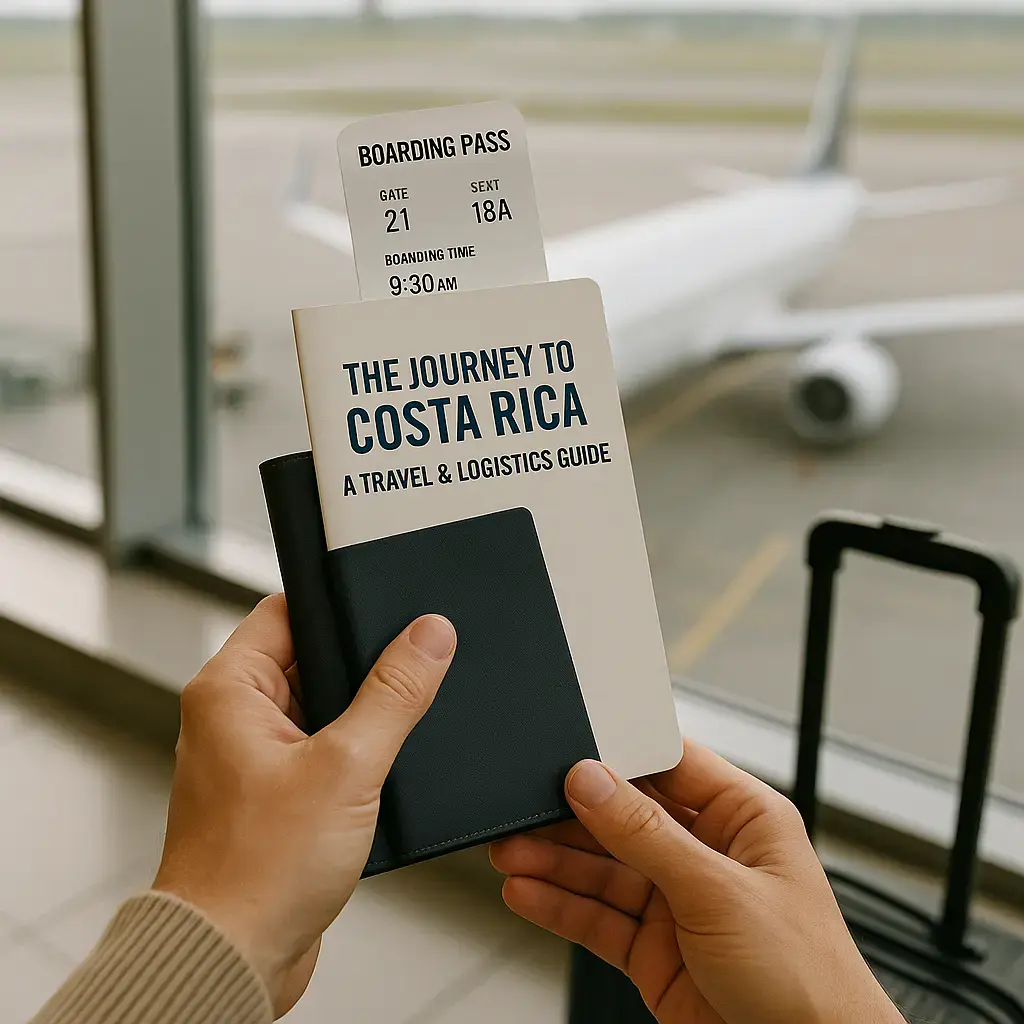
The Journey to Costa Rica — A Travel & Logistics Guide
Traveling internationally for medical care introduces a unique set of logistical considerations. While an individual is a “patient” in purpose, they must navigate the entry requirements of a standard “tourist.” This can create anxiety, particularly when carrying sensitive items like prescription medications. A clear understanding of the process can transform this potential stress into confident preparedness, ensuring a smooth and seamless journey to the place of healing.
Essential Travel Documents & Entry Requirements
For U.S. citizens, entering Costa Rica for treatment is a straightforward process, as the country does not require a special medical visa for stays under 180 days. However, adherence to standard tourist entry requirements is mandatory.
- Passport Validity: A valid U.S. passport is required for the entire duration of the stay. It is critical that the passport is in good condition (not damaged) and has a validity date that extends at least six months beyond the planned entry date. Costa Rican immigration officials can deny entry if these conditions are not met.
- Return Ticket: All visitors must have proof of onward or return travel. Airlines will likely verify this before allowing a passenger to board the flight to Costa Rica. This can be a return flight ticket or a pre-purchased ticket for bus travel to another country.
- Proof of Funds: While not always checked, visitors should be prepared to demonstrate proof of sufficient funds for their stay, generally considered to be at least $100 per month.
- Arrival and Transfer: Upon arrival at Juan Santamaría International Airport (SJO) in San José, travelers will proceed through immigration and receive an entry stamp in their passport. The period from landing to arriving at the treatment center is a time of heightened vulnerability. Exhaustion, anxiety, and the challenges of a new environment can be significant stressors. Recognizing this, premier treatment centers extend the “safe container” of care to the airport itself. A quality facility will arrange for a dedicated, professional staff member to meet clients upon arrival, ensuring a confidential, comfortable, and secure transfer directly to the center. This service is not a luxury; it is a clinical necessity that marks the first act of care in the recovery journey.
Health, Vaccinations, and Medications
Health preparations are a vital part of planning. This includes consulting with a physician and ensuring all medical needs are addressed before travel.
- Physician Consultation: Before traveling abroad for any medical purpose, it is essential to consult with one’s primary care physician to discuss the trip and any personal health considerations.
- Vaccinations: The CDC and WHO recommend several vaccinations for travel to Costa Rica, including Hepatitis A, Hepatitis B, and Typhoid. A Tdap booster is also advised if not current. A Yellow Fever vaccination is only required for travelers arriving from certain high-risk countries in South America and Africa. It is best to consult with a doctor or travel clinic well in advance of the departure date.
- Traveling with Prescription Medications: This is a critical point that requires careful attention to detail. To ensure a smooth process through customs and at the treatment center, follow these rules precisely:
- Original Containers: All prescription medications must be in their original pharmacy bottles with the prescription label clearly intact. This is a non-negotiable rule at nearly all treatment centers.
- Doctor’s Documentation: Carry a letter from the prescribing doctor or an official list of all medications, including their names, dosages, and prescribing information.
- Sufficient Supply: Bring enough medication to last for the entire planned duration of the stay. It is wise to arrange for any necessary refills before leaving home.
- Sealed Liquids: Any liquid medications must be new and in a sealed container.
- Over-the-Counter Items: All vitamins, supplements, and over-the-counter medications must also be new, sealed, and in their original, unopened packaging.
- Local Approval: For peace of mind, one can check with the Costa Rican Ministry of Health to ensure a specific medication is approved for import and use in the country.
Money, Tipping, and Communication
Understanding local customs regarding currency and communication can make daily interactions much smoother and more pleasant.
- Currency: Costa Rica operates on a dual-currency system. The official currency is the Costa Rican Colón (CRC), but US Dollars (USD) are widely accepted, particularly at larger hotels, restaurants, and tour companies. It is advisable to carry USD in small denominations ($20 bills or smaller), as larger bills are often not accepted. For smaller, local transactions like taxi fares or purchases at small shops, it is best to use colones to ensure a fair exchange rate.
- Tipping Etiquette: Tipping culture in Costa Rica differs significantly from that in the United States. By law, all restaurants must include a 10% service charge (
servicio) and a 13% sales tax (impuesto) in the final bill. Therefore, additional tipping at restaurants is not expected, though it is appreciated for exceptional service. For other services, a general guideline is:- Hotel Bellhops: $1-$2 per bag.
- Housekeeping: $2 per day.
- Tour Guides: $5-$15 per person, depending on the group size and quality of the tour.
- Taxi Drivers: Not expected, but rounding up the fare is a common and appreciated gesture.
- Staying Connected: Most modern smartphones will work in Costa Rica, but it is essential to have a plan to avoid exorbitant roaming charges. The main options are:
- International Plan: Contact your home carrier before leaving to activate an international plan, which often involves a daily fee (e.g., $10-$12 per day).
- Local SIM/eSIM: For longer stays, a more cost-effective option is to purchase a local prepaid SIM card or an eSIM data plan. This requires an “unlocked” phone. SIM cards are available at the airport and from local carriers like Kölbi or Claro.
- Wi-Fi: Most treatment centers, hotels, and cafes offer Wi-Fi. Using Wi-Fi calling and downloading maps for offline use can significantly reduce data consumption. It is important to note that treatment facilities have strict policies regarding electronic device usage. To help clients detach from outside distractions and focus on recovery, access to phones and laptops is typically restricted to designated times and may be prohibited entirely during the initial detox period.
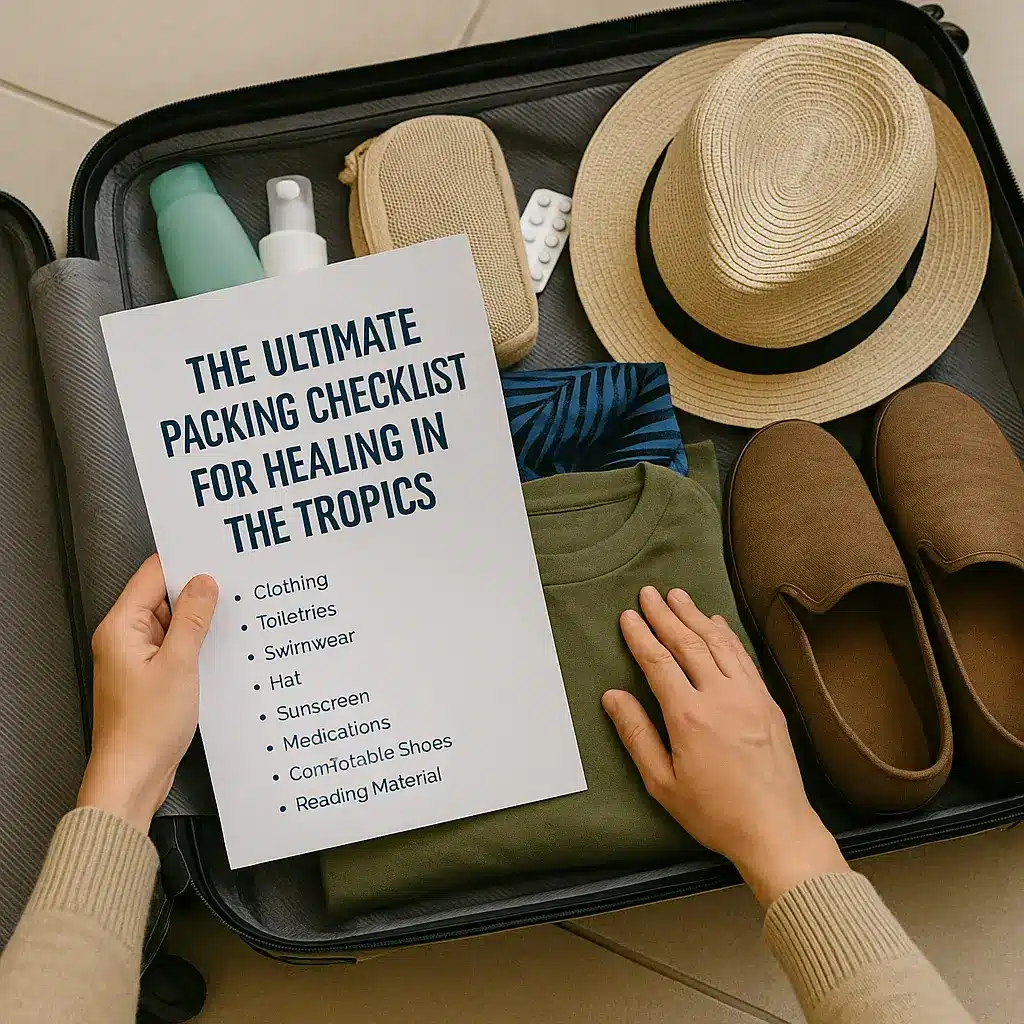
The Ultimate Packing Checklist for Healing in the Tropics
Packing for destination rehab is a unique task. It requires preparing for two distinct environments simultaneously: the structured, therapeutic setting of the treatment center and the rugged, tropical climate of Costa Rica. The act of packing itself is the first exercise in complying with the program’s structure, a tangible agreement to trust the process. Every item packed should be chosen with intention, focusing on comfort, safety, and respect for the healing community. The guiding principle is to bring what is necessary for healing and leave behind what is not.
Category 1: Non-Negotiable Documents & Finances
These items are essential for travel, admission, and personal administration. They should be kept secure and easily accessible.
- Valid Passport or other government-issued photo ID.
- Health Insurance Card and any pharmacy benefit cards.
- A list of all prescription medications with dosages, from a doctor.
- A list of important contacts, including family, doctors, and legal counsel.
- Flight itinerary and any other travel documents.
- A debit/credit card and a small amount of cash ($50-$100) for incidental purchases. Many centers have on-site stores for necessities.
Category 2: Clothing for Comfort, Climate, and Code
Pack approximately one week’s worth of clothing. Most facilities provide laundry services. The key is to balance comfort for therapy, practicality for the climate, and adherence to the center’s dress code.
Clothing for Healing (Indoor/Therapy)
- Comfortable, loose-fitting clothes: Think sweatpants, yoga pants, t-shirts, and sweatshirts. Comfort is paramount for being able to focus during individual and group therapy sessions.
- Layers: A light sweater, cardigan, or jacket is essential for air-conditioned rooms or cooler evenings.
- Sleepwear: Several sets of comfortable pajamas and a robe are recommended.
- Undergarments and socks: Pack enough for at least a week.
Clothing for Exploration (Outdoor/Activities)
- Lightweight, breathable fabrics: Costa Rica’s tropical climate is hot and humid. Pack clothes made from quick-drying materials like cotton, linen, or moisture-wicking blends.
- Rain Jacket: A lightweight, waterproof rain jacket is a must-have, regardless of the season.
- Activity Wear: Bring workout attire for gym access, yoga classes, or other fitness activities offered by the center.
- Swimwear: A modest swimsuit is required for pool and beach excursions. For women, this typically means a one-piece swimsuit; for men, board shorts are appropriate.
- Footwear: A versatile selection is best:
- Sneakers or hiking shoes: For walks, hikes, and recreational therapy. Closed-toe shoes are important for protection.
- Sandals or flip-flops: For casual wear and for use in shower areas.
- Slippers: For comfort inside your room and residential common areas.
Category 3: Personal Hygiene & Self-Care
The golden rule for all toiletries is that they must be new, unopened, and alcohol-free. This is a critical safety measure to protect the entire recovery community. Bring enough for a 30-day stay.
- Standard Toiletries: Toothbrush, toothpaste, deodorant, shampoo and conditioner, soap or body wash, hairbrush/comb, and feminine hygiene products.
- Skincare: Face wash, moisturizer, and any other personal skincare items (all alcohol-free).
- Costa Rica Essentials:
- High-SPF Sunscreen: The tropical sun is strong, even on cloudy days.
- Insect Repellent: A quality repellent containing DEET is crucial for protection against mosquitoes, especially during outdoor activities.
Category 4: Personal Growth & Comfort Items
These items can provide emotional support and facilitate the therapeutic process.
- Photos of Loved Ones: Having pictures of family and friends can be a powerful source of motivation and connection. Bring them in paper form, as glass frames are typically not allowed.
- Journal and Pen: A journal is one of the most valuable tools for recovery, offering a space for reflection, processing emotions, and tracking progress.
- Reading Material: Bring a few books, preferably those that are inspirational, spiritual, or recovery-focused. Avoid content that glorifies substance use or other triggering themes.
- Nicotine Products: If you smoke or use tobacco products, you must bring a sufficient supply for your entire stay. These items must be in new, unopened packs or cartons. Purchasing more will not be an option.
- Simple Electronics: An alarm clock (battery-operated only) and an MP3 player or iPod (without internet access or speakers) are usually permitted for personal use during downtime.
What to Leave Behind
To ensure a safe and focused healing environment for everyone, certain items are strictly prohibited. Leaving these items at home will prevent delays or complications during the admissions process.
| At-a-Glance Packing Checklist: Pack This, Not That |
| PACK THIS |
| Documents & Finances |
| ☐ Valid Passport/ID & Insurance Card |
| ☐ Small Amount of Cash & Debit/Credit Card |
| ☐ List of Contacts & Medications |
| Clothing (1 Week’s Worth) |
| ☐ Comfortable, Modest Outfits (T-shirts, pants) |
| ☐ Light Rain Jacket & a Sweater/Hoodie |
| ☐ Workout Clothes & Modest Swimsuit |
| ☐ Pajamas, Underwear, Socks |
| ☐ Sneakers, Sandals/Flip-Flops, Slippers |
| Toiletries (New, Unopened, Alcohol-Free) |
| ☐ Toothbrush, Toothpaste, Deodorant, Soap, etc. |
| ☐ High-SPF Sunscreen & Insect Repellent |
| Medications & Personal Items |
| ☐ Prescriptions in Original Labeled Bottles |
| ☐ Unopened Vitamins/OTC Meds (If Approved) |
| ☐ Journal, Pen, Approved Books, Photos |
| ☐ Unopened Cigarettes (If Applicable) |
Your New Beginning Awaits
Embarking on the path to recovery is a journey of immense courage. The decision to seek help, and the thorough preparation that follows, are the foundational acts upon which a new life is built. By methodically organizing personal affairs, navigating the logistics of travel, and packing with intention, an individual clears the way for the most important work of all: the profound and personal process of healing. This preparation is not just about reducing stress; it is about liberating oneself to be fully present and engaged, ready to receive the full benefits of treatment.
The journey to Costa Rica is more than a trip; it is a pilgrimage toward a future of freedom, health, and purpose. The ideal destination for this journey is a place that understands the complexities of addiction and offers a sanctuary for transformation. It is an environment where a dedicated, bilingual, and multidisciplinary team provides compassionate, expert care around the clock. It is a center that employs a holistic, evidence-based program designed to heal the mind, body, and spirit through a combination of proven therapies and the restorative power of nature. It is a program that offers a structured yet pragmatic approach, preparing individuals for successful reintegration into life with a robust aftercare plan and ongoing support.
This is the standard of care every person deserves. By taking these preparatory steps, you are not just getting ready for rehab; you are laying the groundwork for a new beginning. The path ahead is one of discovery and renewal, and it awaits in a place of peace. When you are ready to take the next step, a supportive admissions team is available to guide you with clarity and compassion, helping you turn the brave decision to heal into a life-changing reality.