First responders face disproportionately high rates of PTSD, depression, and substance abuse, often worsened by a culture of silence and fear of judgment. Costa Rica Treatment Center offers the best rehab for first responders because our specialized trauma therapies, absolute confidentiality, and serene international location provide a clear, safe path to recovery away from workplace pressures. Why Is Mental Health a Crisis for First Responders? The mental and emotional weight of being a first responder is not just “part of the job”—it’s a measurable public health crisis. Day after day, you run toward emergencies that others run from. You witness…
First responders face disproportionately high rates of PTSD, depression, and substance abuse, often worsened by a culture of silence and fear of judgment. Costa Rica Treatment Center offers the best rehab for first responders because our specialized trauma therapies, absolute confidentiality, and serene international location provide a clear, safe path to recovery away from workplace pressures.
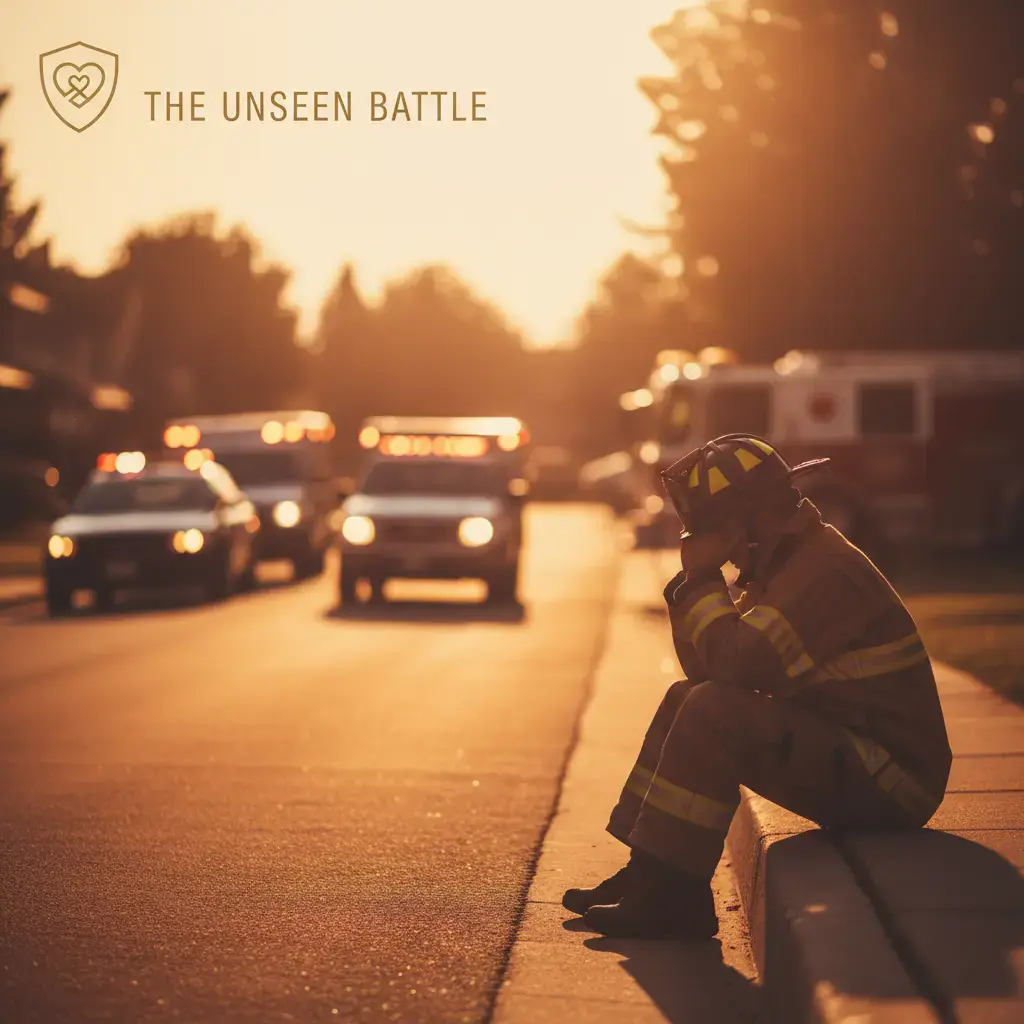
Why Is Mental Health a Crisis for First Responders?
The mental and emotional weight of being a first responder is not just “part of the job”—it’s a measurable public health crisis. Day after day, you run toward emergencies that others run from. You witness tragedy, navigate chaos, and make life-or-death decisions under immense pressure. While this work is essential, the cumulative exposure to trauma takes a significant and undeniable toll. The idea that you can simply “tough it out” ignores the clear evidence that this career path carries a profound risk to your well-being.
The data paints a stark picture. An estimated 30% of first responders develop behavioral health conditions like depression and Post-Traumatic Stress Disorder (PTSD), a rate significantly higher than the 20% seen in the general population. This isn’t an isolated issue affecting a few individuals; it’s a systemic problem woven into the fabric of the profession. This elevated risk is consistent across all branches of emergency services, confirming that the uniform itself is a predictor of mental health challenges. The common factor is the relentless, chronic exposure to trauma and stress that is unique to your work.
When broken down by profession, the numbers are even more sobering:
- Firefighters: Approximately 20% of firefighters and paramedics meet the criteria for PTSD at some point in their careers, a rate comparable to military service members returning from combat. Tragically, firefighters are more likely to die by suicide than in the line of duty.
- Police Officers: Law enforcement officers experience depression at nearly double the rate of the general population (12% compared to 6.8%). Suicide has become an epidemic in the law enforcement community, with officers more likely to take their own lives than to be killed in the line of duty.
- Paramedics and EMS Personnel: The statistics for EMS are particularly alarming. A staggering 37% of EMS providers meet the clinical criteria for PTSD, and rates of depression and anxiety are five to ten times higher than in other professions.
The risk of suicide is one of the most urgent aspects of this crisis. A study reported that 37% of fire and EMS professionals have contemplated suicide, a rate nearly ten times that of other American adults. These are not just numbers on a page; they represent dedicated professionals who feel trapped by their pain. The high prevalence of these conditions suggests that standard mental healthcare models designed for the general public are simply not enough. The unique nature of your work demands a specialized, preventative, and culturally competent approach to mental health—one that understands your world and is built to address your specific needs.
| The Mental Health Burden: First Responders vs. The General Population | ||
| Condition | First Responders | General Population |
| Post-Traumatic Stress Disorder (PTSD) | ~20−37% | ~6−7% |
| Depression | Rates are significantly higher; police officers nearly double the general population. | ~6.8% |
| Suicidal Ideation | 37% of fire/EMS professionals have contemplated suicide. | ~4% (based on 10x rate comparison) |
The data clearly shows that the daily trauma and stress of the job place first responders at a significantly higher risk for severe mental health conditions.
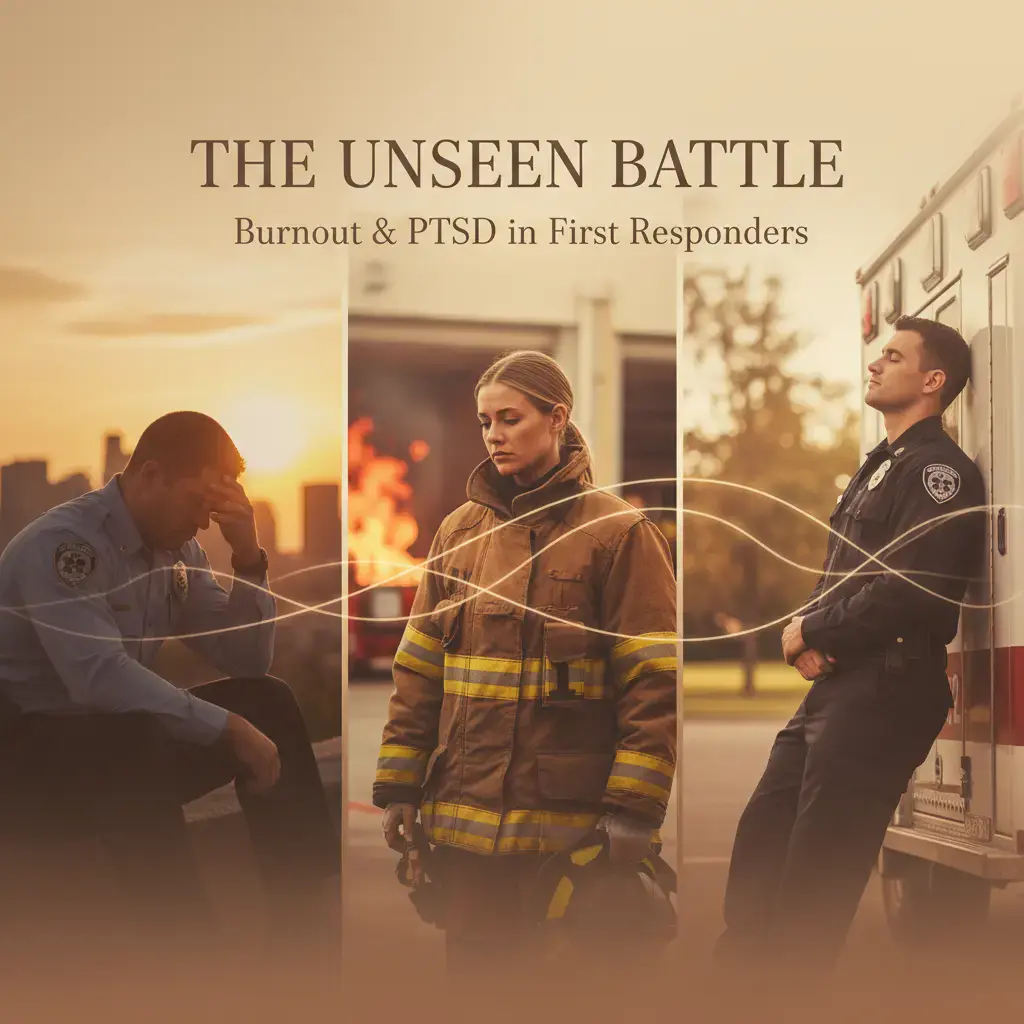
What Are the Signs of Burnout and PTSD in Police Officers, Firefighters, and Paramedics?
For many first responders, the line between “a tough week” and a more serious mental health condition can feel blurry. You are trained to push through discomfort and operate under stress, which can make it difficult to recognize when the burden has become too heavy. Understanding the specific signs of burnout, PTSD, and other stress injuries is the first step toward getting control back. These symptoms are not signs of weakness; they are predictable human responses to abnormal levels of trauma and stress.
The signs of distress can show up in every area of your life—emotional, physical, and behavioral. It is crucial to pay attention to these changes in yourself or in a colleague.
General Signs of Distress:
- Emotional Changes:
- Increased irritability, frustration, or anger over small things.
- Feeling emotionally numb or detached from others, including family.
- Persistent anxiety, worry, or a feeling of being constantly “on edge”.
- Feelings of guilt, shame, or hopelessness.
- A loss of interest or pleasure in activities you once enjoyed.
- Physical Symptoms:
- Chronic exhaustion and fatigue that doesn’t improve with rest.
- Difficulty falling asleep, staying asleep, or frequent nightmares.
- Unexplained headaches, nausea, or a racing heart when you are off duty.
- Significant changes in appetite or weight.
- Behavioral Shifts:
- Withdrawing from friends, family, and social events.
- Increased use of alcohol or other substances to cope or relax.
- Uncharacteristic lateness, increased use of sick days, or errors at work.
- Engaging in risky or self-destructive behaviors.
These symptoms often manifest in ways that are unique to the specific demands of each profession.
Recognizing the Toll on Police Officer Mental Health
For police officers, the mindset required for survival on the street can become toxic at home. Hypervigilance, the state of constant alertness for threats, is essential for officer safety but can make it impossible to relax and connect with loved ones off duty. Many officers also develop a deep-seated cynicism and emotional detachment as a way to cope with the daily exposure to the worst of human behavior. This coping mechanism, while protective on the job, can destroy personal relationships. The constant cycle of cortisol and adrenaline spikes from high-stress calls can leave your nervous system in a permanent state of fight-or-flight, making it feel impossible to ever truly “turn off”.
Understanding PTSD Symptoms in Firefighters
The trauma for firefighters is often cumulative. It’s not just one catastrophic fire but the relentless accumulation of difficult calls—an average of nine traumatic events in a single year of service. This leads to a high prevalence of PTSD, which can manifest as intrusive memories or flashbacks that feel as real as the original event. Nightmares are common, replaying the sounds, sights, and smells of a traumatic scene. This constant mental and emotional strain also takes a profound physical toll. The stress and exhaustion from the job are a contributing factor in over 50% of firefighter deaths, highlighting the life-threatening nature of untreated mental health conditions.
Identifying Paramedic Burnout and Compassion Fatigue
Paramedics and EMTs are on the front lines of human suffering, which can lead to a specific type of burnout known as compassion fatigue. This is a state of deep emotional and physical exhaustion caused by the secondary trauma of caring for others. It can leave you feeling drained, cynical, and struggling to feel empathy for your patients or even your own family. One of the biggest drivers of this condition is the lack of time to process and recover between traumatic calls. A staggering 69% of EMS professionals report they have never had enough time to recover between traumatic events, leading to an accumulation of stress that becomes unbearable.
Crucially, these symptoms do more than just cause internal pain; they often lead to behaviors that actively dismantle your most important support system. When you withdraw from your family, isolate yourself from friends, or become emotionally detached, you push away the very people who can help you heal. This creates a dangerous feedback loop where the trauma causes isolation, and the isolation makes the effects of the trauma even worse. It is a clear indication that effective treatment cannot focus on the individual alone. It must also include resources and therapy to help rebuild the family connections that have been damaged by the weight of the job.
Recognizing these signs in yourself or a colleague is the first, most critical step toward getting help.
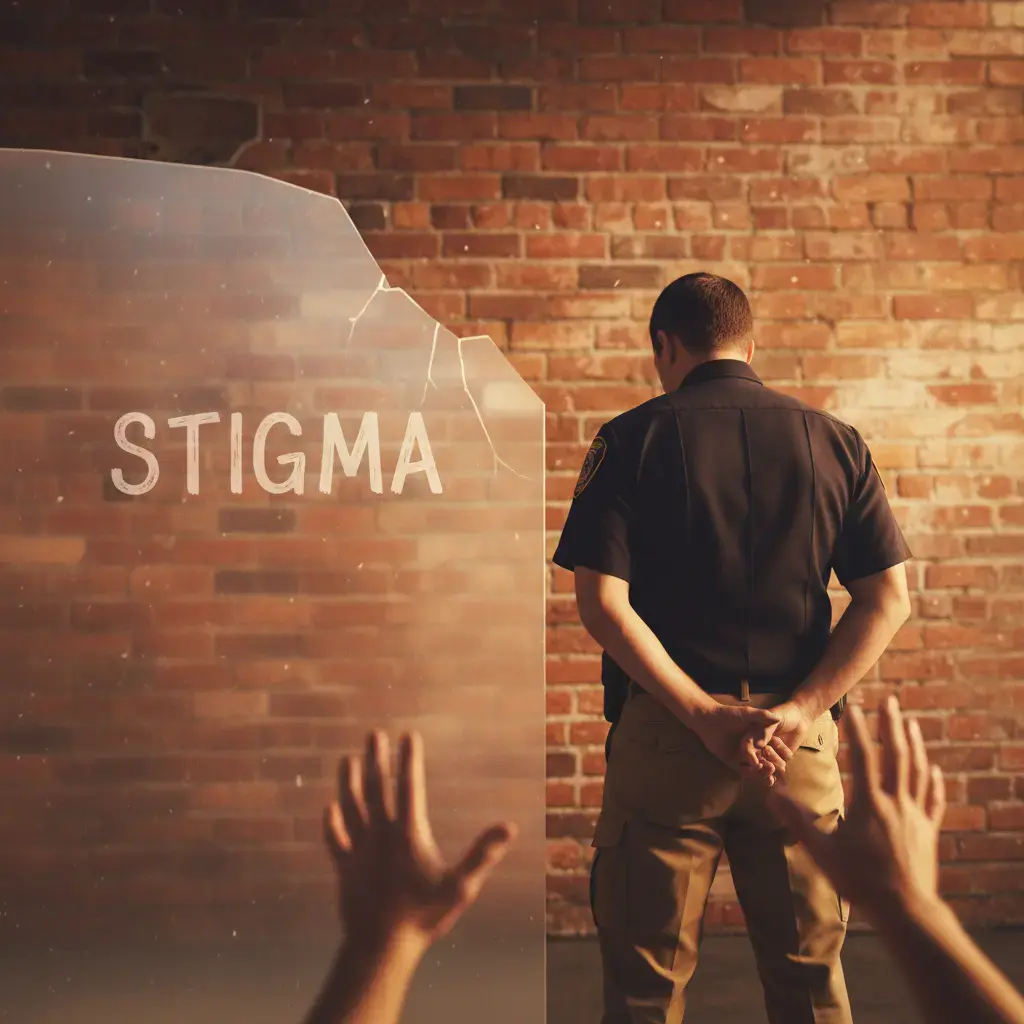
Why Don’t First Responders Ask for Help? The Wall of Stigma and Other Barriers
If you are a first responder struggling with your mental health, it is not your fault that you haven’t asked for help. The culture you work in and the systems that are supposed to support you often make it feel impossible, or even dangerous, to admit you are having a hard time. You are trained to be the helper, the rescuer, the one who remains calm in the chaos. Acknowledging your own pain can feel like a fundamental betrayal of that identity.
The reluctance to seek help is not a personal failing; it is a predictable response to a set of powerful barriers that are deeply ingrained in first responder culture.
- The Stigma of Weakness: This is the single biggest obstacle. The “responder culture” values and demands mental toughness, self-reliance, and absolute control over your emotions. In this environment, a mental health struggle can be perceived as a “moral failing” or a sign that you are weak and can no longer be depended on by your partners. This fear of judgment is so powerful that studies have shown up to 92% of firefighters cite stigma as a primary reason for not seeking the help they need.
- Fear of Career Consequences: The fear that seeking help will damage or end your career is very real. Many first responders worry that if they admit to having PTSD, depression, or a substance use issue, they will be deemed unfit for duty. They fear being put on administrative leave, losing their firearm, being passed over for promotion, or even being fired. When your identity and your livelihood are on the line, suffering in silence can feel like the only safe option.
- Lack of Trust and Cultural Competency: There is a common and understandable belief among first responders that “outsiders” cannot possibly understand the realities of the job. This mistrust of mental health professionals is often made worse by a shortage of therapists who are culturally competent and trained to work with this population. A negative experience with a well-meaning but unequipped counselor can reinforce the belief that therapy is useless and further discourage any future attempts to get help.
- Practical Barriers: Beyond the cultural issues, there are significant logistical hurdles. Long, irregular shifts and mandatory overtime make it incredibly difficult to schedule and consistently attend therapy appointments. Many first responders simply do not know where to turn to find credible, confidential help that can work around their demanding schedules.
These barriers reveal a critical truth: the primary obstacle to care is not a lack of awareness about the problem, but a lack of safe pathways to a solution. You are likely well aware of the stress you are under, but the “cure”—seeking help—is perceived as being more dangerous to your career and identity than the disease itself. The risk of being judged, sidelined, or fired feels greater than the risk of continuing to suffer in silence.
This changes the entire equation for what effective treatment must look like. The single most important feature of any program for first responders is absolute, unimpeachable confidentiality. A program that can guarantee privacy fundamentally alters the risk calculation, making it finally feel safe to be vulnerable and get help. This is where a physical separation from your home department and community becomes a powerful clinical advantage. Seeking treatment at an international center is not about a vacation; it is a strategic decision to place yourself in an environment where the fear of being “found out” is completely eliminated, allowing you to focus 100% on your healing.
The fear of judgment and professional consequences is the biggest barrier to care, but confidential and understanding help is available.
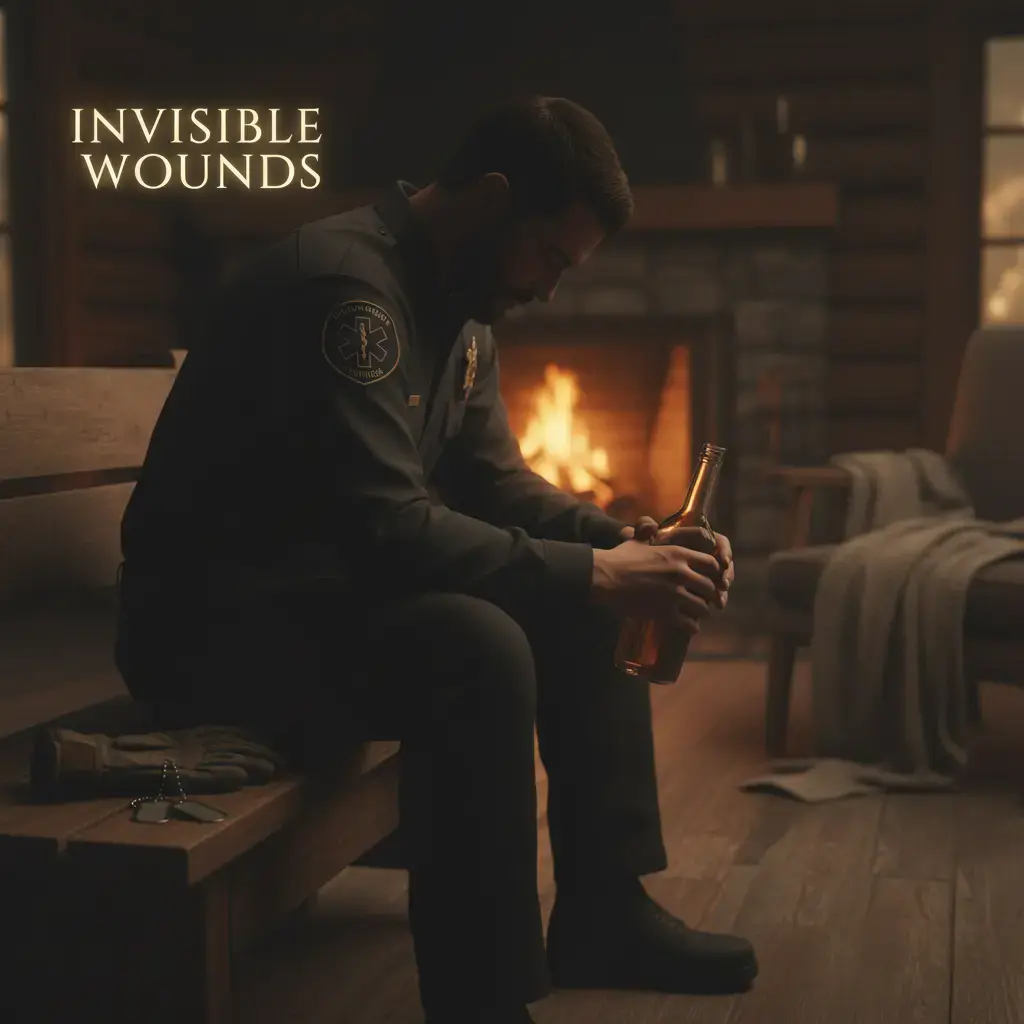
The Connection Between Job Stress and Paramedic Substance Abuse
When the weight of trauma, anxiety, and exhaustion becomes constant, it is human nature to look for a way to make the pain stop. For many first responders, turning to alcohol or other substances starts as an attempt to self-medicate the invisible wounds of the job. It is not a sign of a moral failing or a lack of willpower; it is a predictable, though dangerous, coping mechanism for unmanaged psychological distress.
The cycle often begins as a way to “take the edge off” after a difficult shift. The symptoms of PTSD and chronic stress—hyperarousal, intrusive thoughts, anxiety, and insomnia—are incredibly disruptive and painful. Substances like alcohol can temporarily numb these feelings, quiet a racing mind, and provide a fleeting sense of relief. This immediate, albeit temporary, relief creates a powerful pattern. The brain learns that the substance reduces pain, reinforcing the behavior and making it more likely you will turn to it again the next time you are struggling. Over time, this can lead to dependence and addiction.
This connection is not just anecdotal; it is backed by clear data:
- It is estimated that 50% of individuals with mental health disorders are also affected by addiction, as the two conditions are often deeply intertwined.
- Drug abuse is significantly higher among paramedics and EMTs compared to other first responder professions. This is believed to be caused by a combination of extreme stress exposure and, in some cases, easier access to potent prescription medications.
- The underlying conditions that drive substance use are rampant in the EMS field: 36% of EMS workers suffer from depression, 72% from sleep deprivation, and over 20% from PTSD—all of which dramatically increase the risk of substance abuse.
- This issue extends to other branches as well. Among firefighters, 27% report that their substance abuse stems directly from occupational stress, and in one study, 30% of urban firefighters met the clinical criteria for alcohol dependence.
When a substance use disorder exists alongside a mental health condition like PTSD or depression, it is known as a “dual diagnosis” or “co-occurring disorder.” Treating this requires a specialized, integrated approach. You cannot effectively treat the addiction without also healing the underlying trauma that is driving it. Simply stopping the substance use without addressing the root cause of the pain is a recipe for relapse.
This problem is often compounded by the “drinking culture” that can exist within first responder professions. Going for a drink with your crew after a bad call can feel like a form of informal peer support. While the camaraderie is important, this culture can normalize and enable heavy drinking as the primary way to cope with stress. It inadvertently becomes another barrier to recovery, as it reinforces the idea that self-medication is acceptable while simultaneously stigmatizing healthier alternatives like therapy, which may be seen as a sign of weakness. To truly heal, it is often necessary to physically remove yourself from this enabling environment and immerse yourself in a new peer group where sobriety, vulnerability, and genuine recovery are the shared goals.
Turning to substances to cope with trauma is a common but dangerous path that requires specialized dual-diagnosis treatment to overcome.

What Does Effective Rehab for First Responders Look Like?
Once you make the courageous decision to seek help, it is vital to find a program that truly understands the complexities of your job and your experiences. Not all treatment is created equal, and generic programs designed for the general public often fail to address the specific needs of first responders. Effective rehab is not about a one-size-fits-all approach; it is about providing specialized, evidence-based care in an environment of safety, trust, and understanding.
An ideal program is built on several key pillars that work together to facilitate deep and lasting healing. By understanding what to look for, you can empower yourself to choose a path that gives you the best chance at a full recovery.
Specialized PTSD Treatment for Firefighters and Police: EMDR and CBT
For trauma, simply talking about your feelings is often not enough. You need targeted, evidence-based therapies that are clinically proven to work. Two of the gold standards in trauma treatment are Cognitive Behavioral Therapy (CBT) and Eye Movement Desensitization and Reprocessing (EMDR).
- Cognitive Behavioral Therapy (CBT): This is a structured, goal-oriented therapy that helps you identify, challenge, and change the unhelpful thinking patterns and behaviors that are linked to your trauma. For example, it can help you address feelings of guilt or the belief that the world is a completely unsafe place. Studies have confirmed that exposure-based CBT is highly effective in reducing the severity of PTSD in emergency service personnel.
- Eye Movement Desensitization and Reprocessing (EMDR): EMDR is a powerful and highly effective therapy designed to help the brain reprocess traumatic memories. During EMDR, a therapist guides you to focus on a traumatic memory while engaging in bilateral stimulation, such as side-to-side eye movements. This process helps “unstick” the memory from the intense emotional and physical sensations associated with it, allowing it to be stored in a way that no longer triggers a fight-or-flight response. EMDR is a gold-standard treatment for trauma and is recommended by major organizations like the U.S. Departments of Veterans Affairs and Defense.
The Importance of Confidentiality and Peer Connection
As established, confidentiality is non-negotiable. An effective program must be able to guarantee your privacy so you can engage in the therapeutic process without fear. Alongside this, the power of a peer community cannot be overstated. The feeling of isolation is one of the most difficult parts of struggling with mental health. Being in treatment alongside other first responders—people who speak your language and understand your experiences without explanation—creates an immediate sense of belonging and trust. This peer connection reduces shame and validates your experience, creating a powerful environment for healing.
Why an International Location Offers a Unique Advantage
For first responders, a change of scenery is more than just a luxury; it is a clinical necessity. An international treatment center provides a level of separation that is crucial for recovery. Being physically distant from your home environment removes you from the daily triggers associated with your job and personal life—the sound of sirens, the location of a bad call, or stress at home. This physical and emotional distance allows your nervous system to finally calm down, creating the space needed to focus entirely on your healing. Most importantly, it provides a complete guarantee of privacy, eliminating the primary fear that prevents so many from seeking help in the first place.
The most effective treatment combines evidence-based trauma therapy with a confidential, supportive environment that understands first responder culture.
Your Path to Recovery: Why Costa Rica Treatment Center Is the Right Choice for Police Officer Mental Health Help
We have explored the unique challenges you face, the barriers that stand in your way, and the essential components of an effective treatment program. Now, let’s connect the dots and show you how Costa Rica Treatment Center (CRTC) was built from the ground up to be the solution you need. We don’t just offer generic treatment; we provide a comprehensive, specialized sanctuary designed specifically for the healing of first responders.
Expert, Trauma-Informed Care Your recovery depends on the quality of the clinical team. Our staff is a highly qualified, bilingual group of professionals who are experts in treating addiction and co-occurring trauma. We don’t just say we treat trauma; we have specialists on our team who are certified in the most effective modalities. Our clinical leadership includes professionals like
Ana Rojas, a licensed psychologist and EMDR therapy specialist who focuses on trauma management, and Mariana Charpentier, a family therapist who is also a certified EMDR therapist. Our team is also proficient in a range of other evidence-based therapies, including Cognitive Behavioral Therapy (CBT), Dialectical Behavior Therapy (DBT), and Brainspotting, ensuring your treatment plan is tailored to your specific needs.
A True Sanctuary for Healing Healing requires more than just therapy rooms. It requires an environment that promotes peace and well-being. Our CRTC Riverside campus, nestled in the serene Atenas mountains, is a world away from the stress and chaos of your daily life. The tranquil setting, surrounded by lush tropical gardens and breathtaking views, is a powerful catalyst for healing. We integrate this natural beauty directly into our programs through nature therapy, forest bathing, yoga, and meditation. These holistic practices are not just add-ons; they are essential components of our approach to healing the whole person—mind, body, and spirit.
Absolute Confidentiality Guaranteed We understand that the number one barrier to you seeking help is the fear of your department finding out. Our location in Costa Rica solves this problem completely. It provides a level of privacy and anonymity that is impossible to achieve at a local facility. Here, you are free from the worry of running into a colleague, having your vehicle seen in the parking lot, or word getting back to your superiors. This absolute confidentiality allows you to lower your guard and fully immerse yourself in the recovery process without fear of judgment or professional repercussions.
Integrated Dual-Diagnosis Treatment We know that for many first responders, substance use is a way to cope with underlying trauma. That is why we specialize in dual-diagnosis treatment. Our holistic, evidence-based programs are designed to address the co-occurring substance use and mental health disorders simultaneously. We don’t just treat the symptoms of addiction; we work with you to identify and heal the root causes, giving you the tools and insights you need for lasting sobriety and mental wellness.
Affordable, High-Quality Care We believe that world-class care should be accessible. Our location in Costa Rica allows us to offer a premier treatment experience at a fraction of the cost of comparable centers in the United States or Canada. This is not about being “cheap”; it’s about providing exceptional value. We frame it as offering “double the care at half the price”. This affordability often makes it possible for our clients to choose longer, more immersive treatment stays, such as 60 or 90 days. For deep-rooted trauma and addiction, this extended time can be the critical difference in building a solid foundation for lifelong recovery.
Costa Rica Treatment Center provides a complete solution by combining expert trauma care, absolute confidentiality, and a healing environment at a distance from daily stressors.
Frequently Asked Questions
Q: How can I get confidential mental health help without my department finding out?
A: The best way to ensure absolute confidentiality is to seek treatment at a facility physically removed from your home environment. Costa Rica Treatment Center’s international location guarantees that your privacy is protected, allowing you to focus entirely on your recovery without fear of professional repercussions.
Q: Is EMDR therapy actually effective for first responders with PTSD?
A: Yes, EMDR is one of the most effective, evidence-based treatments for PTSD and is highly recommended for first responders. It helps your brain reprocess traumatic memories to reduce their emotional impact. At Costa Rica Treatment Center, our clinical team includes certified EMDR specialists who are experienced in treating trauma in this population.
Q: What are the first signs of burnout in a police officer or firefighter?
A: Early signs often include persistent exhaustion (even on days off), increased irritability or anger, feeling emotionally numb or detached from your family, trouble sleeping, and relying more on alcohol to unwind. If these signs feel familiar, it’s a signal that you may need professional support.
Q: Why is going to an international rehab center a good option for first responders?
A: An international center like Costa Rica Treatment Center offers three key advantages: complete confidentiality, removal from daily job and life triggers, and the ability to receive longer, more intensive care at a more affordable rate. This creates an ideal environment for deep and lasting healing.
Q: Does Costa Rica Treatment Center handle co-occurring substance abuse and PTSD?
A: Yes, absolutely. We specialize in dual-diagnosis treatment, which means we treat substance use and mental health conditions like PTSD at the same time. Our holistic, evidence-based approach is designed to heal the underlying trauma that often drives addiction.
Q: What does a typical day look like in rehab for first responders at your center?
A: A typical day is structured to promote healing and balance. It includes individual therapy (like EMDR or CBT), group sessions, and holistic wellness activities such as yoga, meditation, or nature therapy in our serene mountain setting. You’ll also have nutritious meals and personal time for reflection.
Q: How do I know if I need professional help or if this is just job stress?
A: If the stress from your job is negatively impacting your health, your relationships, your sleep, or causing you to rely on substances to cope, it’s more than “just job stress.” Reaching out for a confidential consultation can help you understand what’s going on and what your options are. It’s a sign of strength, not weakness.