For individuals in early recovery, a targeted nutrition plan is essential for healing the physical and mental damage caused by addiction. This guide provides the best rehab nutrition plan for 2025, focusing on whole foods that rebuild your body, rebalance brain chemistry, and reduce withdrawal symptoms. Following this plan is a foundational step toward a stronger, more stable recovery. Why Does Nutrition Matter So Much in Early Recovery? When you begin the journey of recovery, the focus is often on stopping the use of substances. But healing is about more than just abstinence; it’s about rebuilding your entire well-being from…
For individuals in early recovery, a targeted nutrition plan is essential for healing the physical and mental damage caused by addiction. This guide provides the best rehab nutrition plan for 2025, focusing on whole foods that rebuild your body, rebalance brain chemistry, and reduce withdrawal symptoms. Following this plan is a foundational step toward a stronger, more stable recovery.
Why Does Nutrition Matter So Much in Early Recovery?
When you begin the journey of recovery, the focus is often on stopping the use of substances. But healing is about more than just abstinence; it’s about rebuilding your entire well-being from the ground up. One of the most powerful and often overlooked tools in this process is nutrition. The food you eat in the early days of recovery is not just for sustenance—it is a fundamental part of the medicine your body and brain need to heal.
Substance use disorder takes a heavy toll on the body, leading to widespread nutritional deficiencies that can worsen withdrawal symptoms and make you feel physically and emotionally unwell. By understanding how addiction affects your body and how the right foods can reverse that damage, you can take an active, powerful role in your own healing.
How Addiction Depletes Your Body’s Nutrients
Chronic substance use is one of the leading causes of nutritional deficiency in the United States. This happens for several reasons. First, when under the influence of drugs or alcohol, self-care, including eating regular meals, often falls by the wayside. Second, many substances suppress appetite or cause gastrointestinal issues that make eating difficult. But the damage goes deeper.
Substances directly harm the organs responsible for metabolism and nutrient absorption, particularly the liver and pancreas. Alcohol use, for example, damages the liver’s ability to remove toxins and the pancreas’s ability to regulate blood sugar and absorb fat. This means that even when you do eat, your body struggles to get the nutrients it needs from the food. Different substances create specific deficiencies:
- Alcohol severely depletes B vitamins, especially thiamine (B1), B6, and folic acid. This can lead to anemia, nerve damage, and serious neurological conditions like Wernicke-Korsakoff syndrome, sometimes called “wet brain”.
- Stimulants like cocaine and methamphetamine reduce appetite, leading to significant weight loss, dehydration, and electrolyte imbalances.
- Opioids are linked to deficiencies in essential minerals like calcium and magnesium, as well as various vitamins, and often cause severe constipation that disrupts the entire digestive system.
This state of malnutrition creates a dangerous cycle that can sabotage recovery. The physical and emotional feelings of being malnourished—anxiety, restlessness, irritability—are nearly identical to the symptoms of drug or alcohol withdrawal. Over time, the brain becomes so accustomed to this state that it can no longer tell the difference between a hunger pang and a craving for a substance. When you feel that familiar discomfort, your brain’s default signal is not “I need food,” but “I need the drug.” Acting on this misinterpreted signal can lead directly to relapse, which in turn worsens the malnutrition, making the false “cravings” even stronger. This is why establishing a routine of regular, balanced meals is more than just a healthy habit; it is a critical relapse prevention strategy that helps you re-learn your body’s true signals.
How Foods Help Rebalance Your Brain Chemistry
Addiction physically changes the brain, particularly the complex networks that manage mood, motivation, and pleasure. These networks run on chemical messengers called neurotransmitters, such as dopamine (the “reward” chemical) and serotonin (the “mood-stabilizing” chemical).
Substances hijack this system by causing an unnatural flood of dopamine—in some cases, up to 10 times the amount released by natural rewards like eating a good meal. The brain, trying to protect itself from this overwhelming surge, adapts by reducing its own natural dopamine production and shutting down dopamine receptors. This is why tolerance develops, and why, over time, it becomes impossible to feel pleasure from everyday activities. This state, known as anhedonia, is a hallmark of addiction and a major challenge in early recovery.
Many people believe that overcoming this state is purely a matter of willpower. However, you cannot will your brain to produce chemicals it physically lacks the ingredients for. This is where nutrition becomes a form of medicine for the brain. The amino acids found in protein-rich foods are the literal building blocks for these essential neurotransmitters. For example:
- Tyrosine, an amino acid found in chicken, fish, nuts, and beans, is what the brain uses to make dopamine.
- Tryptophan, found in turkey, eggs, and cheese, is the precursor to serotonin.
By providing your body with a steady supply of these building blocks, you are giving your brain the raw materials it needs to physically repair its chemical pathways. This isn’t about “trying harder”; it’s about giving your brain the biological tools it needs to heal itself, restore its ability to regulate mood, and find joy in life again. A well-designed nutrition plan is a tangible, powerful way to reclaim your mental and emotional health.
Takeaway: Proper nutrition in early recovery is not optional; it is a fundamental therapy that repairs physical damage, breaks the cycle of cravings, and provides the essential building blocks to heal your brain.
What to Eat in Detox: The Building Blocks of Your Recovery
During the initial phase of detox and withdrawal, your body is under immense stress. The goal of a rehab nutrition plan is to support your body through this process by making it as easy as possible to get the nutrients you need to start healing. The focus should be on whole, unprocessed foods that are gentle on your digestive system while being packed with the energy, vitamins, and minerals your body is craving.
Macronutrients: Your Foundation for Energy and Repair
Macronutrients—carbohydrates, proteins, and fats—are the primary sources of energy for your body. Getting the right balance of each is crucial for stabilizing your mood and physical strength.
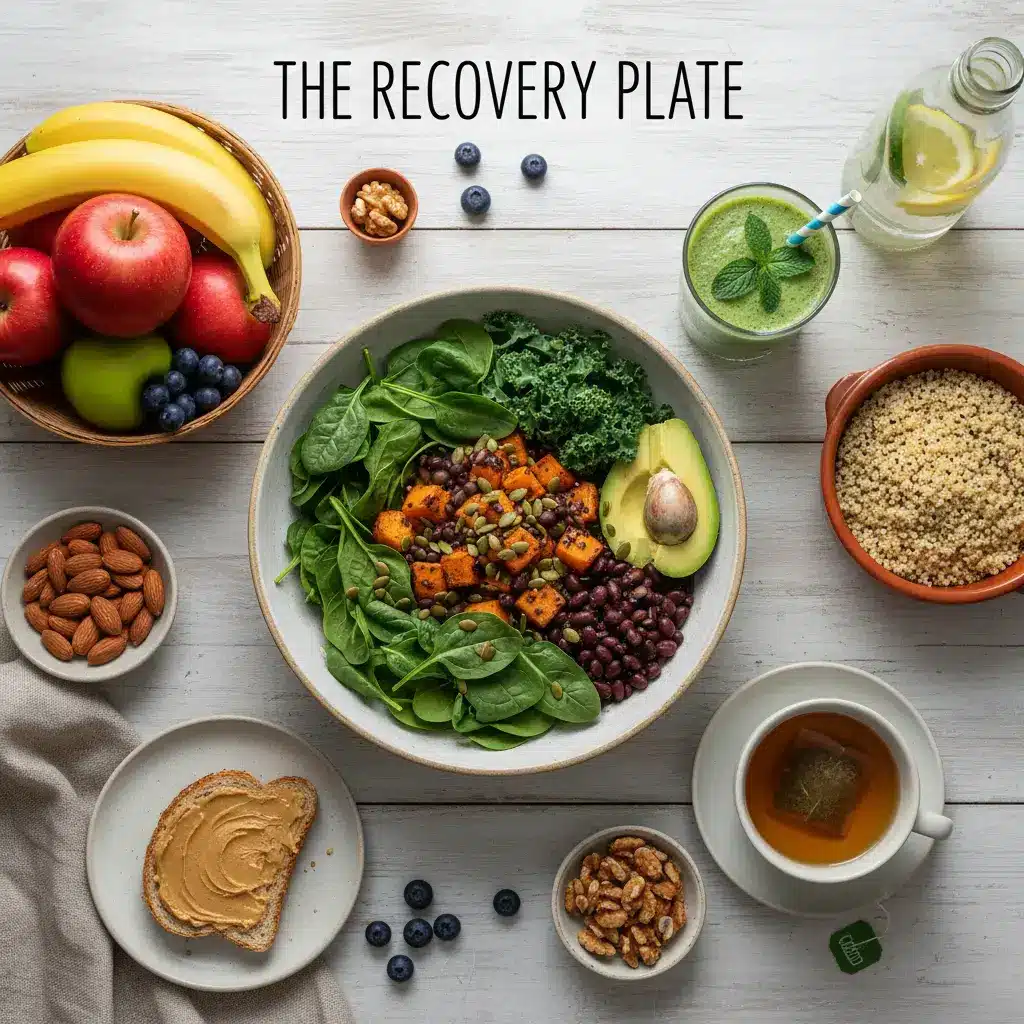
- Complex Carbohydrates: Forget the refined sugars and white flour that cause energy spikes and crashes. Complex carbohydrates, found in foods like oats, brown rice, quinoa, beans, and vegetables, break down slowly, providing a steady supply of glucose to your brain. This is critical for stabilizing blood sugar, which in turn helps reduce the intense irritability, anxiety, and cravings that are common during withdrawal.
- Lean Proteins: Protein is essential for repairing the tissues and organs damaged by substance use. More importantly, it provides the amino acids your brain desperately needs to rebuild its supply of neurotransmitters like dopamine and serotonin. Focus on lean sources such asfish (especially salmon), chicken, turkey, eggs, lentils, and tofu. If solid food is difficult to stomach, a simple bone broth can be a comforting and easily absorbed source of protein and electrolytes.
- Healthy Fats: Healthy fats are vital for brain health and reducing inflammation throughout the body. Omega-3 fatty acids, in particular, are critical components of brain cell membranes and play a direct role in stabilizing mood. Excellent sources includesalmon, walnuts, chia seeds, flaxseed, avocados, and olive oil.
Micronutrients: The Vitamins and Minerals Your Body Craves
Years of substance use leave the body depleted of the vitamins and minerals needed for basic functions. Replenishing these is a top priority in early recovery.
- B-Vitamins: This group of vitamins is crucial for converting food into energy and supporting a healthy nervous system. Alcohol abuse is particularly destructive to B vitamins, especially thiamine (B1), B6, and folate. Good sources includewhole grains, leafy green vegetables, eggs, and lean meats.
- Vitamin C: A powerful antioxidant, Vitamin C helps protect your cells from damage and supports a weakened immune system. Find it incitrus fruits, strawberries, bell peppers, and broccoli.
- Magnesium: Often called the “relaxation mineral,” magnesium is essential for calming the nervous system. It can help reduce anxiety, improve sleep, and ease the muscle cramps and spasms that often accompany withdrawal. Load up onleafy greens, nuts, seeds, and avocados.
- Zinc: This mineral is vital for immune function and wound healing. Deficiencies have been linked to symptoms of depression and anxiety, so ensuring an adequate supply is important for mental health. Good sources includepoultry, red meat, beans, and nuts.
The Gut-Brain Connection: Foods That Heal From Within
One of the most exciting fields in medical science is the discovery of the “gut-brain axis”—the constant, two-way communication between your digestive system and your brain. Your gut is home to trillions of bacteria, collectively known as the microbiome. This microbiome is so important that it’s often called a “second brain.” In fact, your gut produces over 90% of your body’s serotonin and about 50% of its dopamine.
Substance use, particularly chronic alcohol consumption, devastates the gut microbiome. It kills off beneficial bacteria and damages the lining of the intestines, a condition known as “leaky gut”. This allows toxins to enter the bloodstream, triggering widespread inflammation that directly impacts the brain, worsening feelings of depression, anxiety, and cravings.
This means that healing your gut is a direct and powerful strategy for improving your mood and strengthening your recovery. You can actively repair your microbiome by consuming:
- Probiotics: These are beneficial live bacteria that help restore balance to your gut. Excellent sources include yogurt, kefir (a fermented milk drink), sauerkraut, and kimchi.
- Prebiotics: These are types of fiber that act as food for your good gut bacteria, helping them thrive. You can find prebiotics in garlic, onions, bananas, asparagus, and oats.
Incorporating these foods into your daily diet is not just about improving digestion. When you eat a bowl of yogurt with sliced bananas, you are taking a therapeutic action. You are actively reducing the inflammation that contributes to mood swings. You are giving your “second brain” the tools it needs to start producing mood-stabilizing chemicals again. This simple act empowers you with a daily, tangible way to support your own mental and emotional well-being.
Takeaway: A recovery diet should be built on a foundation of complex carbs, lean proteins, and healthy fats, while prioritizing foods rich in B-vitamins, magnesium, and gut-healing probiotics.
A Sample 3-Day Meal Plan for Early Rehab Recovery
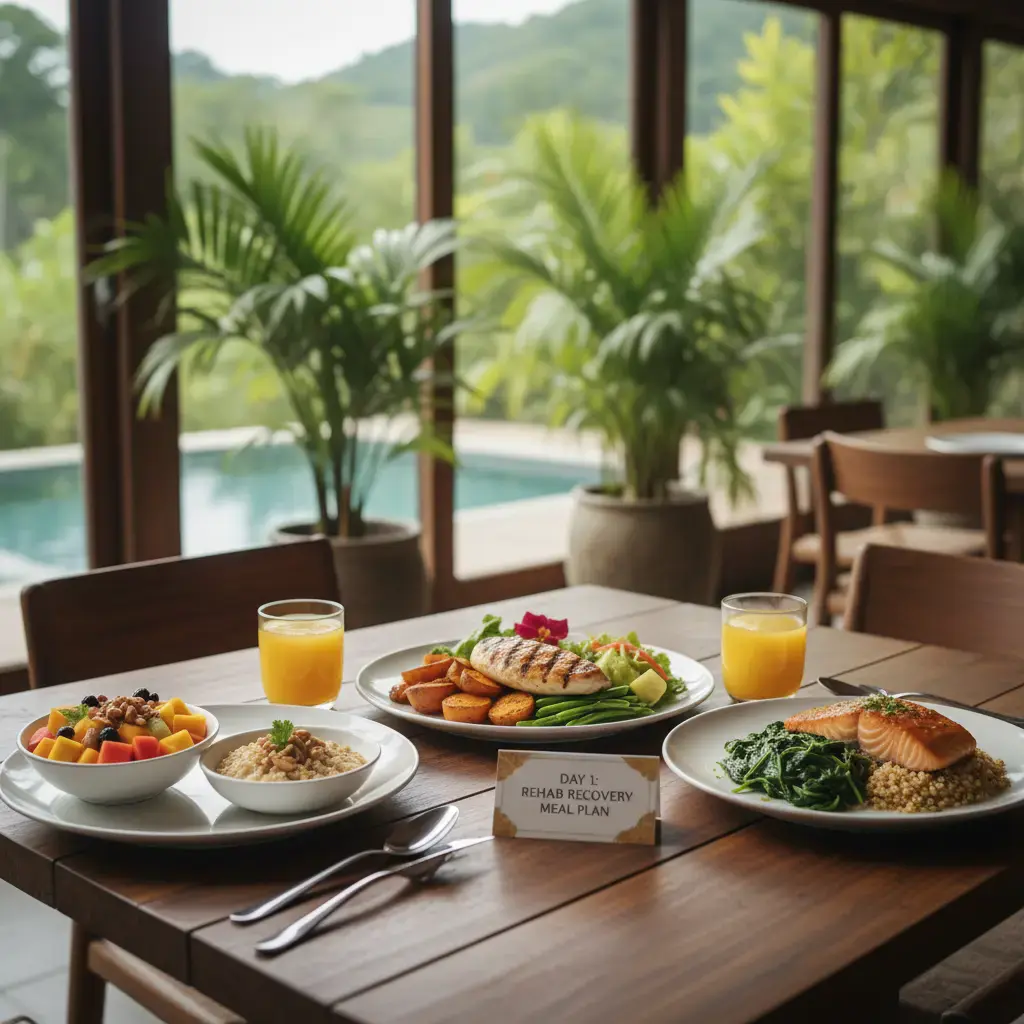
Knowing which foods to eat is one thing, but putting it all together can feel overwhelming, especially when you’re not feeling your best. To make it easier, here is a sample meal plan that incorporates all the principles we’ve discussed. This is an example of the kind of nourishing, delicious, and thoughtfully prepared food that supports healing at Costa Rica Treatment Center. It focuses on simple, whole-food meals that are easy to digest and packed with the nutrients your body and brain need right now.
| Meal | Day 1 | Day 2 | Day 3 |
| Breakfast | Overnight Oats: Rolled oats, Greek yogurt, chia seeds, and berries. | Scrambled Eggs: Two eggs with spinach and a side of whole-wheat toast. | Recovery Smoothie: Banana, handful of kale, scoop of protein powder, almond milk, and a spoonful of almond butter. |
| Lunch | Quinoa Salad: Cooked quinoa with cucumber, tomatoes, chickpeas, and a lemon-olive oil dressing. | Grilled Chicken Salad: Mixed greens topped with grilled chicken breast, avocado, and walnuts. | Lentil Soup: A hearty bowl of lentil soup with a side of whole-grain crackers. |
| Dinner | Baked Salmon: Salmon fillet with roasted broccoli and a small sweet potato. | Turkey Meatballs: Turkey meatballs in a simple tomato sauce over brown rice pasta. | Black Bean Burgers: Two black bean patties on a whole-wheat bun with a side salad. |
| Snack | Apple slices with a tablespoon of peanut butter. | A small container of plain Greek yogurt with a few almonds. | A hard-boiled egg and a handful of carrot sticks. |
How Costa Rica Treatment Center Makes Nutrition a Core Part of Healing
Information is helpful, but true healing happens in an environment of structured support and expert care. At Costa Rica Treatment Center, we understand that nutrition is not an add-on or an afterthought—it is a cornerstone of a successful and lasting recovery. Our entire program is built on a holistic, evidence-based philosophy that heals the mind, body, and spirit together, and our approach to nutrition reflects this deep commitment.
We recognize that you cannot build a new life on a foundation of poor physical health. That is why every client at our center receives a healthy, balanced meal plan designed in close collaboration with a specialized team of nutritionists and dietitians. Our goal is to ensure your body receives every vitamin and mineral it needs to repair, rebuild, and regain strength.
Our internationally trained chefs prepare three delicious and nourishing meals each day, using the freshest products, many of which are sourced locally here in Costa Rica. We believe that food should be both healing and enjoyable, and our culinary team is skilled at creating meals that are as satisfying to the palate as they are restorative to the body. We also understand that every individual has unique needs, and our menu is carefully adjusted to accommodate any dietary restrictions or preferences.
Nutrition at our center is seamlessly integrated with all other aspects of our holistic program. We know that physical activity is vital for boosting the brain’s natural production of dopamine, and our nutrition plans are designed to provide the high-quality energy you need to engage in our fitness programs, from yoga and meditation to weight training. Our staff, including wellness coaches and medical professionals, work together to create a personalized plan that supports your entire being. By combining expert nutritional therapy with proven clinical treatments like Cognitive Behavioral Therapy (CBT), we address the root causes of addiction and give you the tools for a vibrant, healthy life.
Takeaway: At Costa Rica Treatment Center, expert-led nutritional therapy is a central, integrated part of a holistic recovery plan designed to heal your whole person.
Frequently Asked Questions
Q: Why do I crave sugar so much after quitting alcohol, and what should I do?
A: Alcohol is high in sugar, and your body becomes accustomed to it. When you stop drinking, your blood sugar can drop, which triggers intense sugar cravings. The best way to manage this is to avoid processed sweets and instead satisfy the craving with whole fruits. Fruits provide natural sugars along with fiber, vitamins, and minerals that help stabilize your blood sugar and nourish your body. At Costa Rica Treatment Center, our meal plans are specifically designed to manage these cravings with healthy, delicious alternatives to support your recovery.
Q: What are the best foods for withdrawal symptoms like nausea and anxiety?
A: For nausea, it’s best to focus on foods that are gentle and easy to digest. Simple options like bone broth, smoothies, plain yogurt, or vegetable soups are excellent choices. For anxiety, focus on foods rich in magnesium, like leafy greens, nuts, and seeds, and B-vitamins, found in whole grains and lean proteins. These nutrients help calm the nervous system. Our chefs at CRTC specialize in creating comforting, nutrient-dense meals that are tailored to ease the discomfort of this difficult phase.
Q: Can a better diet really help prevent a relapse?
A: Absolutely. A balanced diet is a powerful tool for relapse prevention. Eating regular, nutritious meals stabilizes your mood and energy levels by preventing blood sugar crashes that can lead to irritability and anxiety. Furthermore, providing your brain with the amino acids, vitamins, and healthy fats it needs helps restore its natural chemical balance, reducing the underlying depression and anhedonia that often trigger a return to substance use. A core part of our program at Costa Rica Treatment Center is teaching you how to use nutrition as a lifelong tool for maintaining your sobriety.
Q: What foods should I absolutely avoid in early recovery?
A: In early recovery, it is best to limit or completely avoid processed foods, refined sugars (like candy, pastries, and soda), and excessive caffeine. These foods can cause sharp spikes and crashes in blood sugar, leading to mood swings, fatigue, and heightened anxiety. They can also disrupt sleep patterns, which are crucial for healing. At CRTC, we focus on a diet of whole, natural foods to give your body the cleanest, most effective fuel for recovery.
Q: How long does it take to feel better physically after quitting drinking?
A: The most acute physical withdrawal symptoms typically peak within 24-72 hours and largely subside within a week or two for most people. However, the benefits of good nutrition begin almost immediately. Within the first week, you will be better hydrated and may notice improved sleep. By the end of the first month, many people report having more energy, clearer skin, and a healthier digestive system. The comprehensive program at Costa Rica Treatment Center is designed to support and accelerate this physical healing process.
Q: I have no energy in early sobriety. What should I eat?
A: Fatigue is very common in early recovery as your body is working hard to heal. To combat this, focus on eating small, frequent meals that combine lean protein and complex carbohydrates. This pairing provides sustained energy without the crash you get from sugar. Good examples include an apple with peanut butter, a handful of almonds, or Greek yogurt with berries. It is also essential to stay well-hydrated by drinking plenty of water, as even mild dehydration can cause significant fatigue.