TL;DR: For referring professionals and individuals with treatment-resistant conditions, Ketamine-Assisted Therapy (KAT) offers rapid relief for trauma and addiction by creating a biological window for deep therapeutic work. When integrated into a comprehensive, medically supervised program like the one at Costa Rica Treatment Center, KAT represents the most promising path to lasting recovery for those who have not found success with traditional methods. What is Ketamine-Assisted Therapy? For many people with post-traumatic stress disorder (PTSD) and addiction, traditional treatments like talk therapy and SSRI antidepressants don’t provide enough relief. In fact, up to 60% of patients don’t respond to first-line…
TL;DR: For referring professionals and individuals with treatment-resistant conditions, Ketamine-Assisted Therapy (KAT) offers rapid relief for trauma and addiction by creating a biological window for deep therapeutic work. When integrated into a comprehensive, medically supervised program like the one at Costa Rica Treatment Center, KAT represents the most promising path to lasting recovery for those who have not found success with traditional methods.
What is Ketamine-Assisted Therapy?
For many people with post-traumatic stress disorder (PTSD) and addiction, traditional treatments like talk therapy and SSRI antidepressants don’t provide enough relief. In fact, up to 60% of patients don’t respond to first-line SSRIs. This has led clinicians to look for better options.
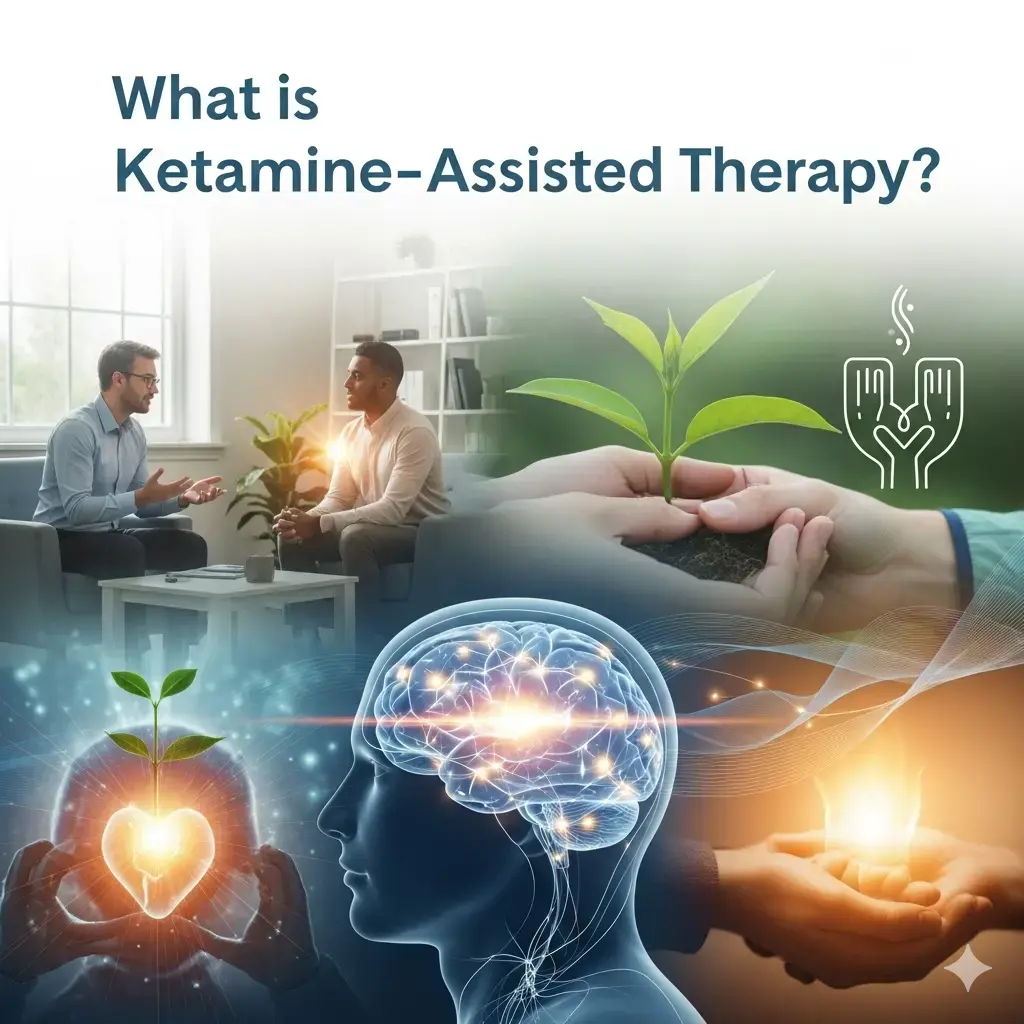
Ketamine-assisted therapy is an innovative approach that uses a medication with a long history. Ketamine was first developed as a safe anesthetic in the 1960s and has been used in operating rooms and on battlefields for decades. Researchers later discovered that in low, controlled doses, it could also produce rapid antidepressant effects, often within hours. This therapy combines the medication with professional counseling to help people heal from deep-seated trauma and addiction.
Takeaway: Ketamine-assisted therapy uses a long-standing anesthetic in a new way to help people who haven’t found relief from traditional mental health treatments.
How Does Ketamine Therapy Work for PTSD and Addiction?
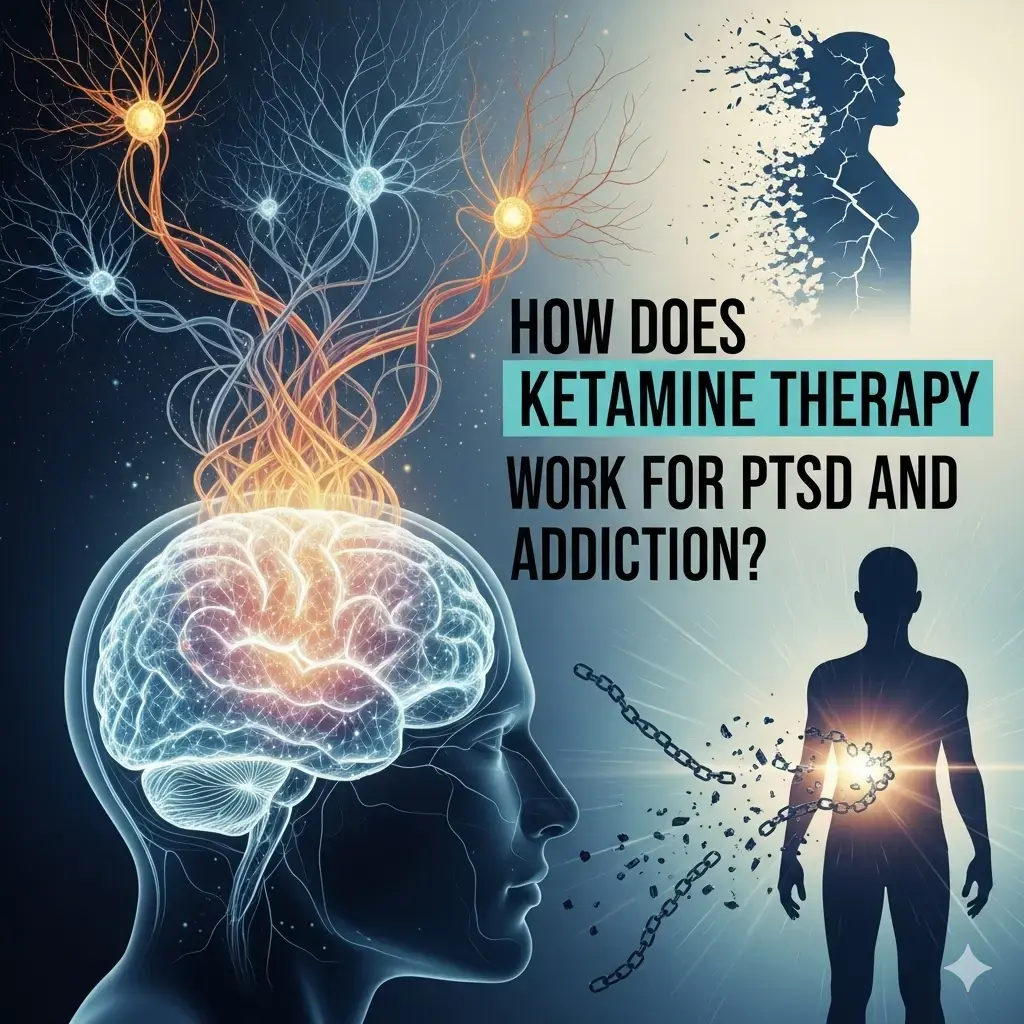
Ketamine works differently than common antidepressants. Instead of focusing on serotonin, it targets the brain’s glutamate system, which is essential for learning and memory. This unique action helps the brain become more flexible and open to change.
It Rewires the Brain’s Connections
Scientists call ketamine a “psychoplastogen” because it helps the brain form new connections. It boosts a protein called BDNF, which acts like fertilizer for brain cells, helping new pathways grow within hours.
This creates a temporary “window of neuroplasticity” where the brain is more receptive to change. During this time, therapy is much more effective, allowing individuals to build healthier thought patterns.
It Helps Process Traumatic Memories
For someone with PTSD, thinking about a traumatic memory can be overwhelming. The controlled, calm state induced by ketamine creates a sense of distance from the memory. This allows a person to re-examine the trauma with a therapist without being flooded by fear, making it possible to process what was once unapproachable.
It Reduces Cravings and Disrupts Addiction Cycles
Addiction creates powerful, rigid circuits in the brain that drive cravings and compulsive behavior. Ketamine helps reset these dysfunctional pathways, which can reduce the urge to use. It also rapidly relieves symptoms of depression and anxiety, which are major drivers of relapse for many people struggling with addiction.
Takeaway: Ketamine works by promoting the growth of new neural connections, creating a short-term window where the brain is more receptive to healing from trauma and breaking addiction cycles.
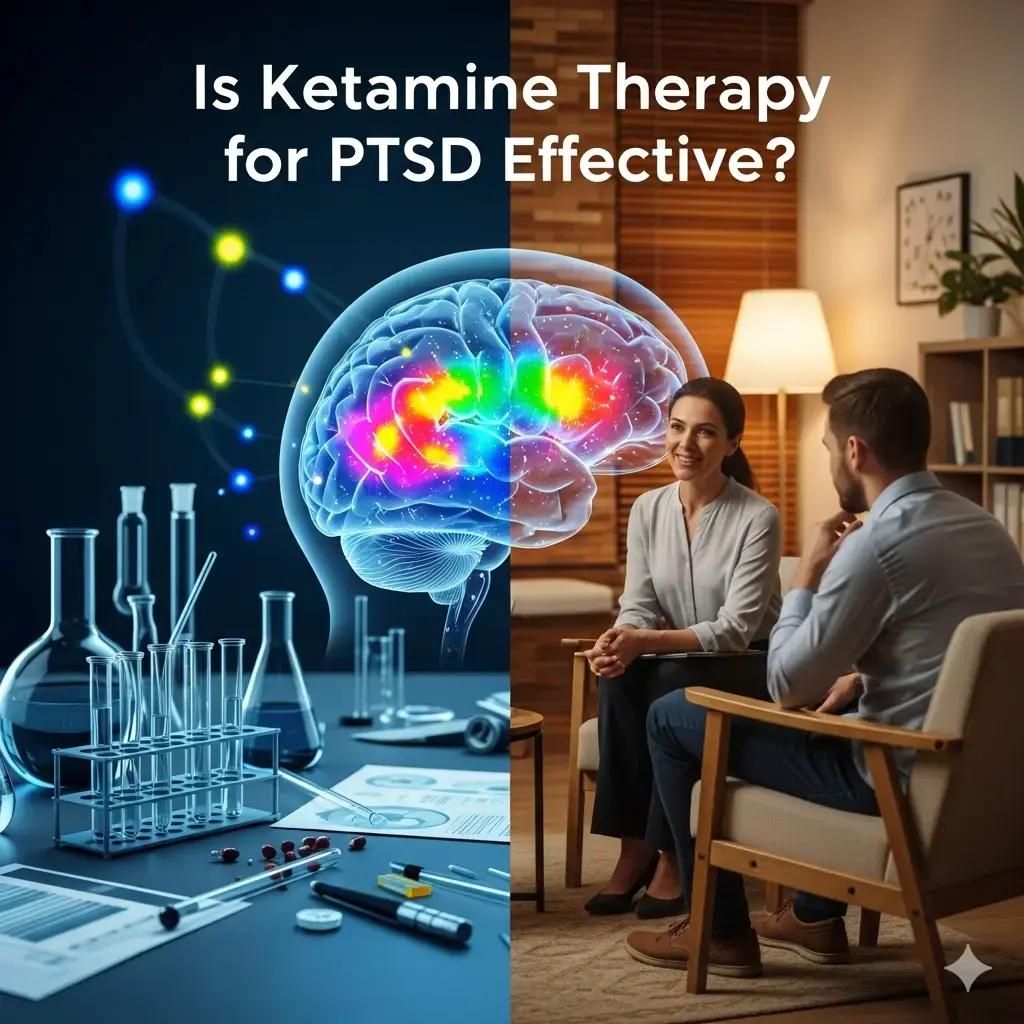
Is Ketamine Therapy for PTSD Effective?
The evidence for using ketamine to treat PTSD is promising, especially when it’s part of a larger therapeutic plan. Some studies show that repeated ketamine infusions can significantly and rapidly reduce PTSD symptoms, with effects lasting for weeks.
However, other large-scale reviews show more modest results, suggesting that some of the benefit might come from a strong placebo effect. This is because the experience is so unique that people know they’ve received an active drug.
This doesn’t mean it doesn’t work. It means ketamine’s real strength is not as a standalone drug, but as a tool to make psychotherapy more effective. A meta-analysis found that combining ketamine with therapy produced a highly effective and sustained reduction in PTSD symptoms. The medication opens a window for the brain to change, and therapy provides the map to make that change last.
Takeaway: While studies on ketamine alone show mixed results, evidence strongly suggests it is highly effective for PTSD when combined with structured psychotherapy.
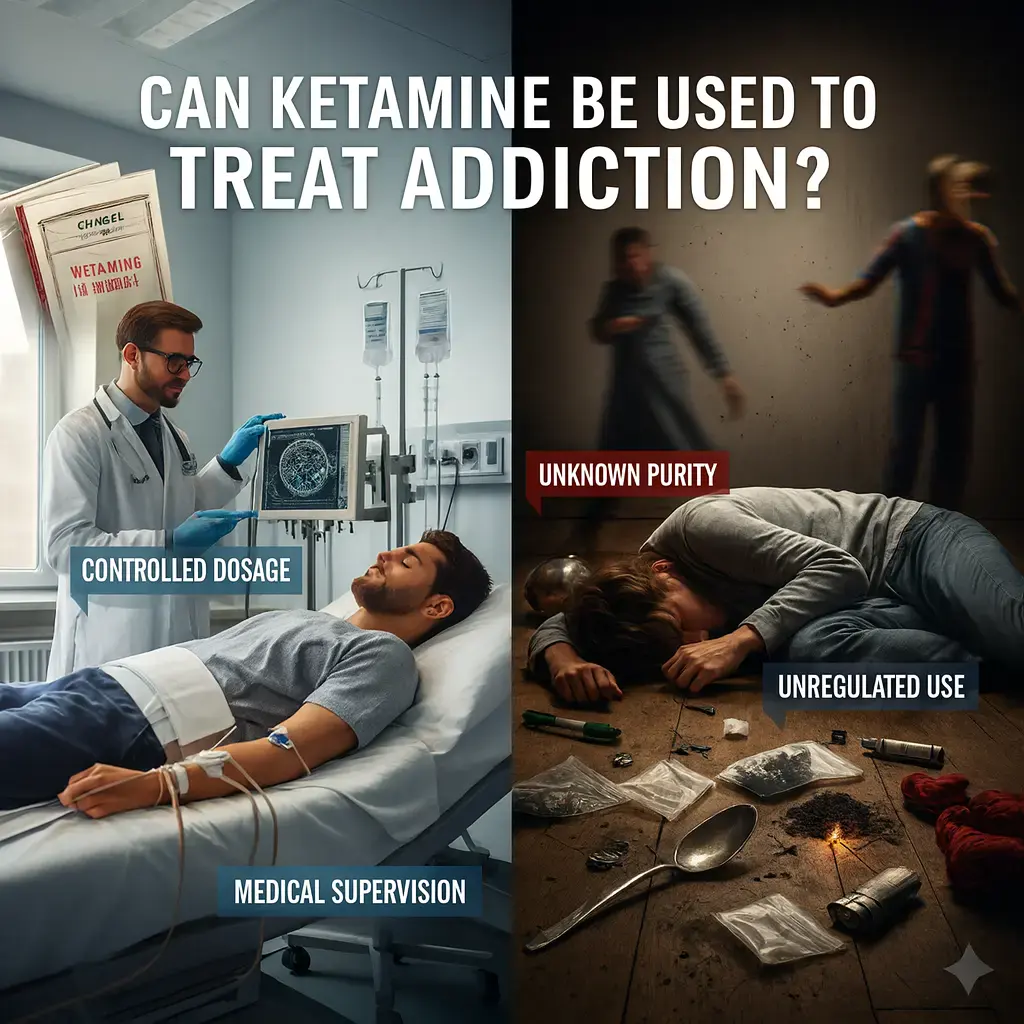
Can Ketamine Be Used to Treat Addiction?
Early research into ketamine for addiction is encouraging. Preliminary studies for alcohol, opioid, and cocaine use disorders have shown that ketamine can improve abstinence rates and reduce cravings.
Of course, it’s important to address that ketamine itself has the potential for misuse and can be addictive when used recreationally. Chronic, high-dose abuse can cause serious physical and psychological harm, including severe bladder damage.
This is why the clinical context is so important. Therapeutic use involves low, controlled doses administered in a medically supervised setting with a clear intention for healing. This professional framework is what separates a powerful medical tool from a dangerous street drug.
Takeaway: Early research shows ketamine can help reduce cravings and support abstinence, but it must be used in a controlled, clinical setting to be safe and effective.

What Happens During a Ketamine Therapy Program?
A professional ketamine therapy program is a structured, multi-step process. It is not just about receiving a drug; it’s a comprehensive therapeutic journey.
- Step 1: Thorough Medical Screening. The first step is always a detailed evaluation to ensure safety. People with a history of psychosis, uncontrolled high blood pressure, or certain heart conditions are not good candidates. A responsible clinic will conduct a full medical and psychiatric assessment.
- Step 2: Preparation with a Therapist. Before the first session, you meet with a therapist to prepare. This involves discussing what to expect, managing any anxiety, and setting clear intentions for your healing journey. This preparation is key to a positive outcome.
- Step 3: The Medically Supervised Session. The session takes place in a calm, private room where medical staff monitor vital signs. Patients often describe the feeling as a peaceful, dream-like state where they feel detached from their body and everyday worries. A therapist is present to provide support.
- Step 4: Integration Therapy. This is the most important step. In the days after a session, the brain is in a state of heightened neuroplasticity. Integration therapy helps you process the insights from your experience and turn them into concrete, lasting changes in your life.
Takeaway: A proper ketamine therapy program involves careful screening, preparation, a medically supervised session, and essential follow-up therapy to integrate the experience.
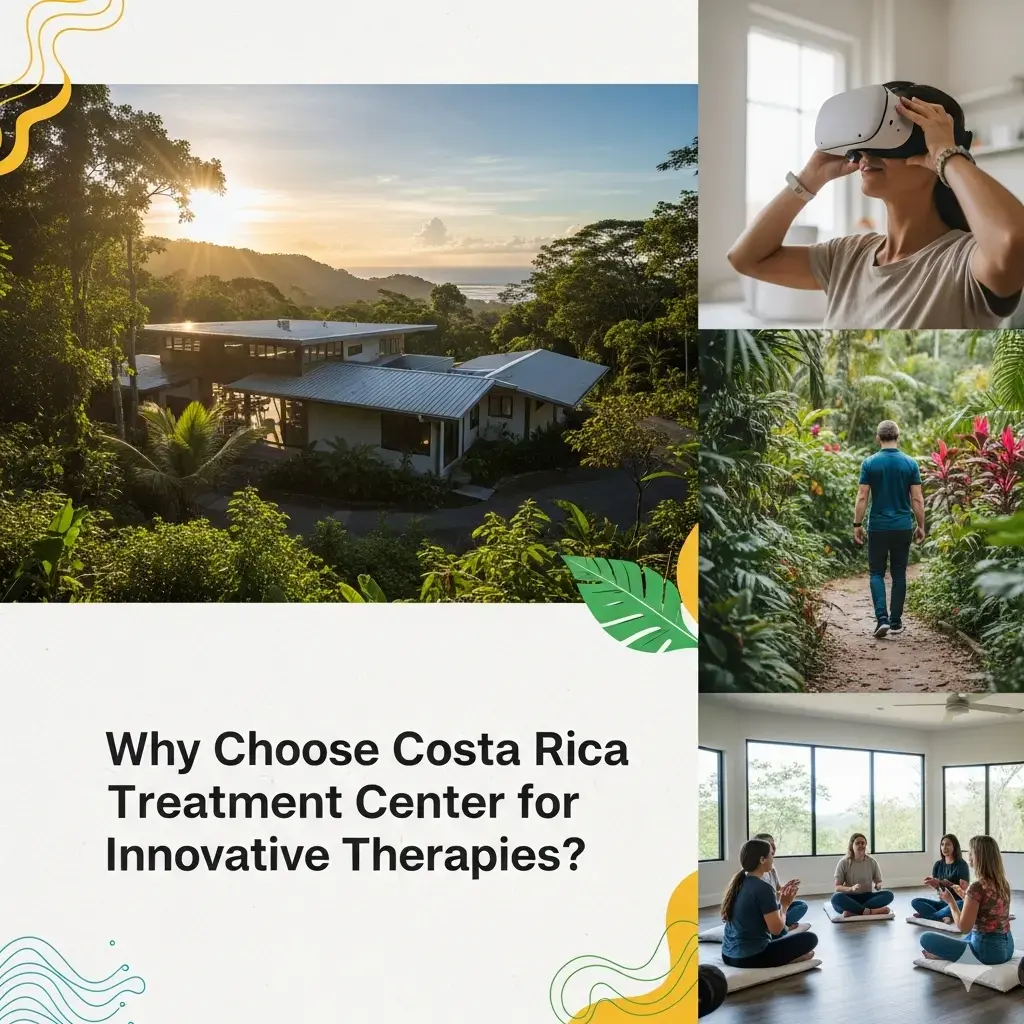
Why Choose Costa Rica Treatment Center for Innovative Therapies?
An innovative treatment is only as good as the structure that supports it. Ketamine-assisted therapy is a powerful tool, but it requires a comprehensive, holistic, and medically sound environment to be truly effective. This is where the philosophy of the Costa Rica Treatment Center becomes essential.
At CRTC, we focus on healing the whole person, not just managing symptoms. Our evidence-based programs are designed to address the underlying causes of addiction and trauma in a compassionate, medically licensed facility. Integrating a modality like KAT fits perfectly with our approach-it serves as a catalyst within a broader, personalized recovery plan that includes robust therapeutic support.
For a treatment that depends on safety, expert guidance, and holistic integration, choosing the right partner is everything. CRTC provides the expert, structured, and supportive container necessary to unlock the true potential of innovative therapies.
Takeaway: Costa Rica Treatment Center provides the comprehensive, medically supervised, and holistic framework necessary to safely and effectively use innovative treatments like ketamine-assisted therapy.
Frequently Asked Questions About Ketamine Therapy
Q: Is ketamine therapy addictive? A: While ketamine has a known potential for misuse in recreational settings, the risk is minimized in a clinical environment. At a center like Costa Rica Treatment Center, medical professionals administer low, controlled doses and monitor patients closely. The focus is on therapeutic healing, not achieving a high, which makes the context entirely different from abuse.
Q: What does a ketamine session feel like? A: Most people describe the experience as deeply calm and relaxing. Common feelings include a sense of floating, detachment from everyday worries, and a dream-like state that allows for new perspectives on old problems. It is an internal, introspective journey conducted in a safe and supportive setting.
Q: How many sessions are needed? A: A typical starting protocol involves a series of 4 to 6 sessions over two to three weeks to build and reinforce new, healthier neural pathways. After that, some people may benefit from occasional maintenance sessions. A quality treatment center will always create a personalized plan based on an individual’s needs and response.
Q: Is ketamine therapy a standalone cure? A: No. Ketamine is best understood as a catalyst for psychotherapy. The medication creates a temporary opportunity for the brain to change, but the lasting healing comes from the dedicated integration work done with a therapist afterward. This aligns with Costa Rica Treatment Center’s philosophy of providing comprehensive, holistic care.
Q: Who is a good candidate for ketamine therapy? A: The best candidates are typically individuals with treatment-resistant PTSD, depression, or certain substance use disorders who have not found relief from traditional treatments. A thorough medical and psychological screening, like the one that would be conducted at CRTC, is essential to ensure the treatment is a safe and appropriate option.
Q: How is this different from recreational ketamine use? A: The difference comes down to dose, setting, and intent. Clinical therapy uses low, precise doses in a medically supervised environment with the goal of healing. Recreational use involves high, unknown doses in unsafe settings with the goal of intoxication, which leads to dangerous health consequences like cognitive decline and severe bladder damage.