For individuals with ADHD, untreated symptoms like impulsivity and emotional dysregulation are not just challenges-they are significant barriers to addiction recovery that often lead to relapse. An integrated dual diagnosis treatment program, like the one offered at Costa Rica Treatment Center, is the most effective solution for addressing both conditions and achieving lasting sobriety. What Is the Link Between ADHD and Addiction? The connection between Attention-Deficit/Hyperactivity Disorder (ADHD) and addiction is not a coincidence; it is a well-documented clinical reality. Research consistently shows that having ADHD significantly increases the risk of developing a substance use disorder (SUD). Children and teenagers…
For individuals with ADHD, untreated symptoms like impulsivity and emotional dysregulation are not just challenges-they are significant barriers to addiction recovery that often lead to relapse. An integrated dual diagnosis treatment program, like the one offered at Costa Rica Treatment Center, is the most effective solution for addressing both conditions and achieving lasting sobriety.
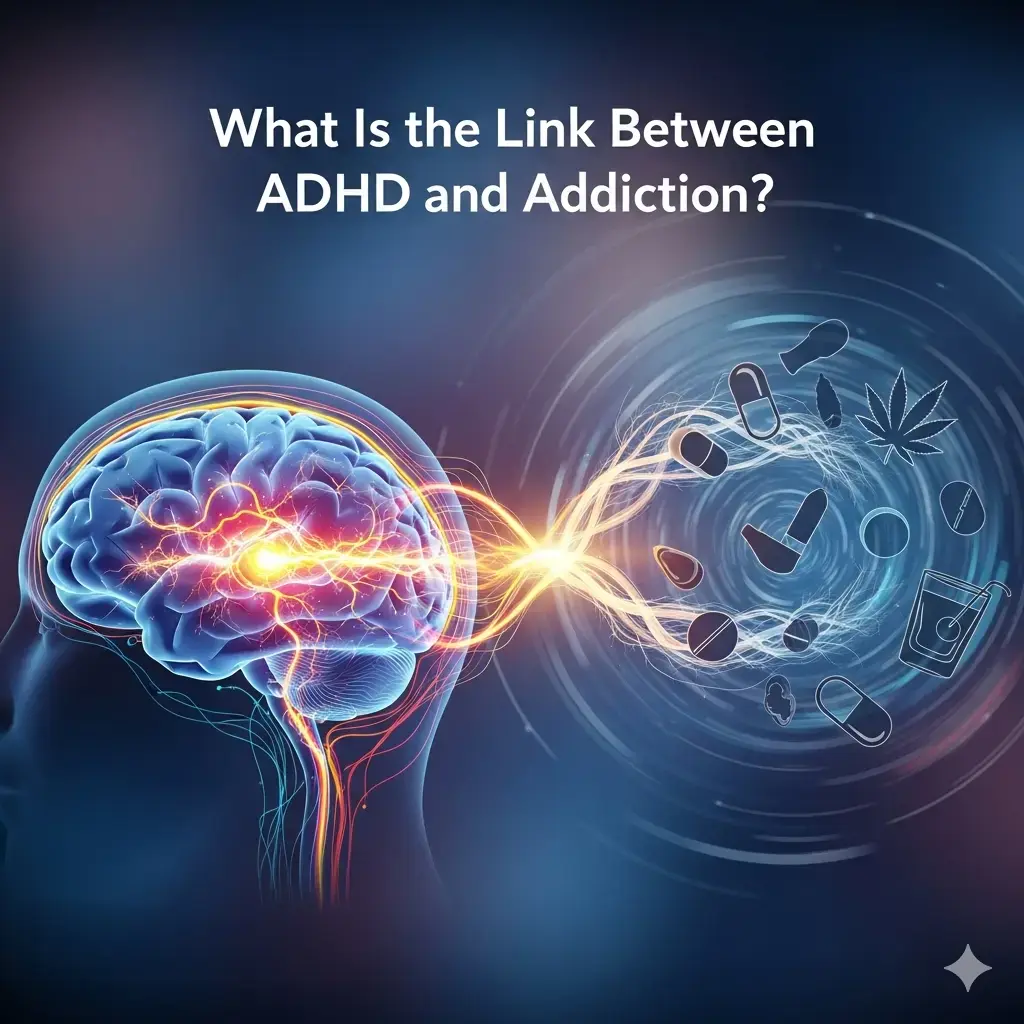
What Is the Link Between ADHD and Addiction?
The connection between Attention-Deficit/Hyperactivity Disorder (ADHD) and addiction is not a coincidence; it is a well-documented clinical reality. Research consistently shows that having ADHD significantly increases the risk of developing a substance use disorder (SUD). Children and teenagers with ADHD are two to three times more likely to abuse substances than their peers. This risk persists into adulthood, where individuals with ADHD are 50% more likely to develop a drug or alcohol use disorder. In fact, half of all adults with untreated ADHD will struggle with an SUD at some point in their lives.
This strong link is rooted in a combination of brain chemistry, shared behavioral traits, and genetics. Both ADHD and addiction are tied to dysfunctions in the brain’s dopamine reward system. Dopamine is a neurotransmitter that plays a major role in feelings of pleasure and motivation. In a brain with ADHD, this system is often underactive, creating a constant, subconscious search for stimulation. The brain is “hungrier for these experiences because of its wiring”. Substances like alcohol, nicotine, and cocaine provide a powerful and immediate surge of dopamine, which can feel intensely rewarding and calming to an under-stimulated ADHD brain.
Beyond brain chemistry, the core symptoms of ADHD itself pave the way for substance use. Traits like impulsivity, poor judgment, and a tendency toward risk-taking behavior directly contribute to experimenting with and continuing to use drugs and alcohol. Finally, there appears to be a genetic component. Both ADHD and a vulnerability to addiction tend to run in families, suggesting a shared genetic predisposition that makes some individuals more susceptible to both conditions. This is not an issue of willpower or character; it is a complex neurobiological condition that requires a clinical, evidence-based intervention to address brain function, not just behavior.
The link between ADHD and addiction is a powerful one, driven by a combination of neurobiology, genetics, and behavior that makes individuals with ADHD uniquely vulnerable to substance use.

How Does Someone with ADHD “Self-Medicate” with Drugs or Alcohol?
For many people with ADHD, substance use does not begin as a search for a recreational “high.” Instead, it starts as an unconscious and misguided attempt to manage the relentless, often overwhelming symptoms of their condition. This is known as “self-medication”-using substances to cope with racing thoughts, internal restlessness, emotional distress, or an inability to focus.
One young woman with undiagnosed ADHD recalled that in college, she drank alcohol not to get drunk, but “to concentrate and get my homework done”. This experience is common. The internal chaos of ADHD can be exhausting, and substances can feel like a temporary solution. They provide a “quick fix” that seems to calm the noise, slow down the racing thoughts, or provide the focus needed to complete a task. This creates a powerful but deceptive cycle of reinforcement. The brain learns that a substance provides relief, driving the person to use it again and again when symptoms become unmanageable.
What substances are commonly used to self-medicate ADHD?
The choice of substance often corresponds to the specific symptom a person is trying to manage. While any substance can be misused, some are particularly common for self-medicating ADHD:
- Alcohol & Marijuana: These are often used to quiet a “hyperactive” mind and ease the intense internal restlessness that is a hallmark of ADHD. They can provide a temporary feeling of calm and sedation.
- Nicotine & Caffeine: As stimulants, these substances can temporarily improve focus and attention, helping a person with ADHD feel more organized and productive for a short time.
- Cocaine & Illicit Stimulants: These drugs produce a powerful flood of dopamine, directly activating the brain’s under-stimulated reward pathways. This can mimic the effects of prescription ADHD medication, providing a fleeting sense of clarity and motivation.
Why does self-medicating feel like it works?
Self-medication feels effective in the short term because substances directly manipulate the brain chemistry that is dysregulated in ADHD. They provide immediate, though temporary, relief from the distress of the symptoms. However, this relief comes at a high cost. Over time, the brain adapts to the presence of the substance, requiring more of it to achieve the same effect and worsening the underlying ADHD symptoms when it wears off. The act of self-medication is ultimately a sign of an unmet clinical need. It is a person’s attempt to solve a real and painful problem with a flawed and dangerous tool. The addiction that develops is often a symptom of the untreated primary condition, which is why effective treatment must provide a better, healthier solution to the original problem.
People with ADHD often fall into a cycle of substance use to temporarily manage their symptoms, which inevitably worsens both conditions over time.
How Does Untreated ADHD Complicate Addiction Recovery?
Getting sober is a monumental challenge for anyone. For someone with untreated ADHD, it can feel nearly impossible. The core symptoms of the disorder act as direct, constant barriers to the very tasks and skills required for successful, long-term recovery. This isn’t a lack of desire or commitment; it is a fundamental conflict between the nature of the disorder and the demands of the recovery process.
A woman named Jennifer, who struggled for years with addiction, described attending countless 12-step meetings and even a 28-day rehab program, all without success. The reason, she later realized, was her undiagnosed ADHD. “I couldn’t stay focused on recovery,” she recalled. Her experience highlights the central problem: recovery requires focus, emotional stability, and impulse control-the very skills that are impaired by ADHD.
The conflict plays out in several key areas:
- Focus & Attention: Recovery is a learning process. It requires sustained attention in individual and group therapy to absorb new concepts, practice coping skills, and gain self-awareness. The inattention inherent in ADHD makes it incredibly difficult to stay present, participate meaningfully, and retain crucial information.
- Impulsivity: At its core, recovery is about learning to pause between a trigger and an action, and choosing a different response. Impulsivity, a defining feature of ADHD, is the enemy of this process. It drives a person to act without thinking, making it extremely difficult to resist sudden cravings and avoid relapse.
- Emotional Dysregulation: Early sobriety is an emotional rollercoaster. People with ADHD often experience more intense mood swings, irritability, and a lower tolerance for frustration. Without the skills to manage these powerful emotions, the urge to use a substance to numb the discomfort can become overwhelming.
- Executive Dysfunction: Building a stable, sober life depends on executive functions like planning, organization, and follow-through. ADHD impairs these skills, making it hard to manage the basics of a healthy routine, such as getting to meetings on time, scheduling appointments, or even managing daily chores-all of which are vital for maintaining stability.
Does ADHD increase the risk of relapse?
Yes, significantly. Untreated ADHD is a well-established risk factor for relapse. The symptoms directly undermine a person’s ability to engage in treatment and use their new coping skills when they are needed most. Research shows that individuals with this dual diagnosis have lower treatment adherence and poorer overall outcomes in standard addiction programs. The cycle is vicious: the ADHD symptoms make it hard to stay sober, and the return to substance use makes the ADHD symptoms worse.
The following table illustrates the profound difference in the recovery journey when ADHD is properly diagnosed and treated as part of an integrated plan.
The Challenge of Recovery: With and Without Integrated ADHD Care
| Focus in Therapy | Mind wanders; difficulty absorbing key concepts and participating in group sessions. | Improved focus allows for active engagement and skill acquisition through therapies like CBT. |
| Impulse Control | High vulnerability to triggers and cravings, leading to impulsive relapse decisions. | Medication and behavioral strategies help manage impulsivity, providing a crucial pause before acting. |
| Emotional Regulation | Intense mood swings and low frustration tolerance make it hard to cope with the stress of early recovery. | Therapies teach skills to manage emotional dysregulation, reducing the need to “self-medicate” feelings. |
| Building Routines | Executive dysfunction makes it difficult to organize, plan, and stick to a healthy daily structure. | A supportive, structured environment and skill-building help establish the consistent routines vital for sobriety. |
| Relapse Risk | Significantly higher due to untreated core symptoms that fuel the addiction cycle. | Dramatically lower as both the “why” (ADHD) and the “what” (addiction) are treated simultaneously. |
The fundamental symptoms of ADHD directly conflict with the skills required for successful recovery, making relapse more likely without specialized treatment.

Is ADHD Stimulant Medication Safe for People in Recovery?
One of the most common and dangerous myths surrounding ADHD and addiction is the fear that using stimulant medication in recovery is simply “trading one drug for another.” Parents and individuals alike worry that the very medications prescribed to help-such as Ritalin or Adderall-are themselves addictive and will lead to more problems. While this concern is understandable, it is not supported by scientific evidence. In fact, the opposite is true.
Overwhelming research from multiple large-scale studies shows that when used as prescribed under proper medical supervision, stimulant medication does not increase the risk of developing a substance use disorder. More importantly, effective medication management often acts as a
protective factor. One major study found that individuals receiving ADHD medication had a significantly lower risk of substance-related emergency room visits-35% lower for men and 31% lower for women-compared to periods when they were unmedicated.
The difference between therapeutic use and abuse lies in how the medication affects the brain. Illicit drugs like cocaine raise dopamine levels in a matter of seconds, creating an intense, addictive “high.” Prescription oral stimulants work much more slowly, taking about an hour to gradually increase dopamine, which improves focus and attention without producing the same euphoric rush. Clinicians also often prefer to use long-acting or extended-release formulations, which have an even lower potential for abuse.
The greatest risk is not in treating the ADHD; it is in failing to treat it. When ADHD is left unmanaged, the impulsivity, emotional dysregulation, and internal restlessness that drive substance use remain in full force. Withholding appropriate medical treatment out of fear paradoxically leaves the door wide open for relapse, the very outcome everyone is trying to prevent. A medically sophisticated program with physicians and psychiatrists who understand this complexity is essential for safely and effectively managing this dual diagnosis.
Under proper medical supervision, treating ADHD with medication is a crucial tool for preventing relapse, not a risk for causing it.
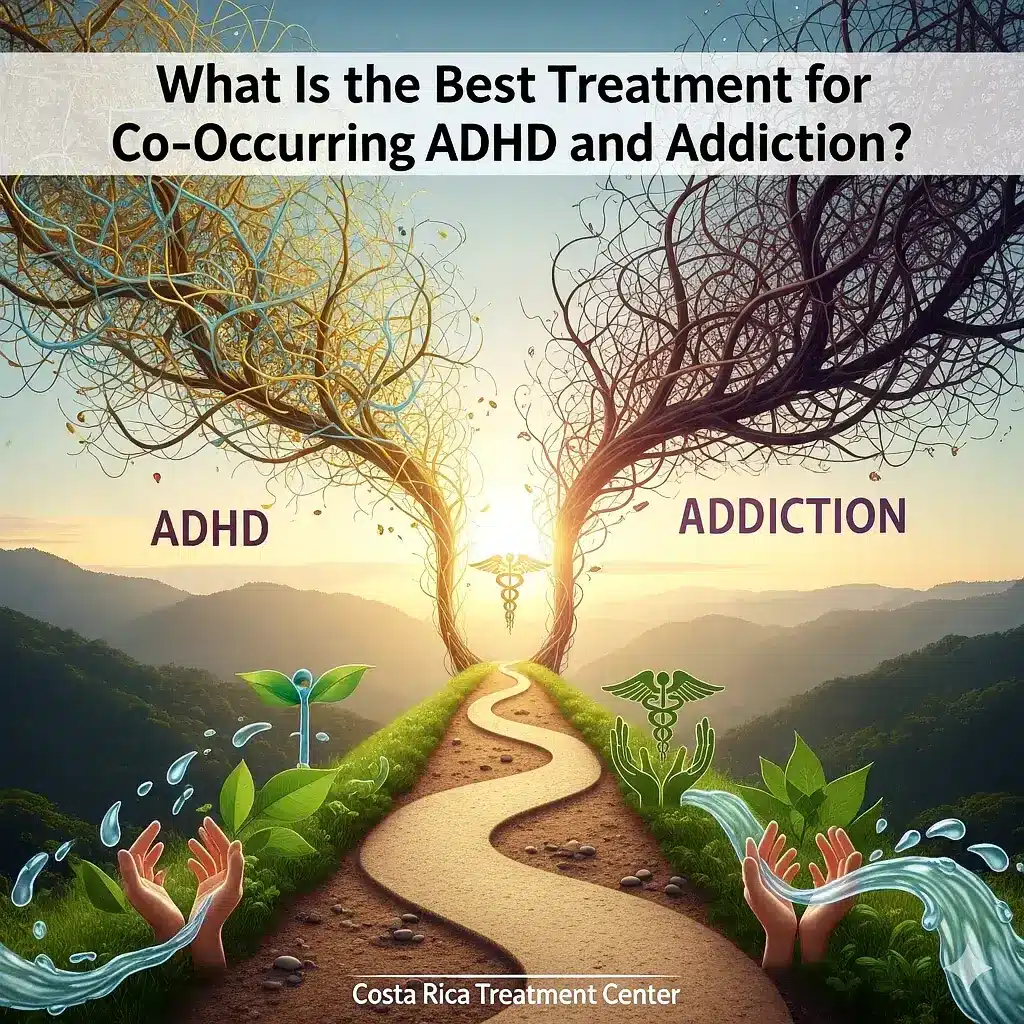
What Is the Best Treatment for Co-Occurring ADHD and Addiction?
The clinical consensus is clear: for a person struggling with both ADHD and addiction, treatment that focuses on only one condition is likely to fail. Treating the addiction while ignoring the underlying ADHD leaves the primary driver of the behavior in place. Conversely, treating the ADHD without addressing the substance use disorder is also ineffective. The only path to sustainable, long-term recovery is a specialized, integrated dual diagnosis program that addresses both disorders at the same time, within one cohesive treatment plan.
How Costa Rica Treatment Center Provides a Path to Real Recovery
At Costa Rica Treatment Center, we understand that co-occurring ADHD and addiction is not two separate problems, but one complex challenge that requires a sophisticated, unified solution. Our entire program is built on the principle of integrated care, treating the whole person in a healing environment.
Comprehensive Assessment: The journey begins with a thorough and accurate diagnosis. Because the effects of active substance use can mimic the symptoms of ADHD, this is a critical first step that requires clinical expertise. Our multidisciplinary team conducts a comprehensive assessment, including a detailed history of symptoms before substance use began, to ensure we have a clear picture and can create a truly effective plan.
Individualized, Integrated Plans: There is no one-size-fits-all approach to recovery. We develop a highly personalized treatment plan for each client that addresses their unique challenges. This plan is fully integrated, meaning the strategies for managing ADHD are woven into the strategies for overcoming addiction, creating a seamless therapeutic experience.
A Structured 4-Phase Program: Our unique 4-phase approach provides the structure and support that individuals with ADHD need to thrive. The program guides clients from initial Stabilization and Evaluation through intensive Treatment & Self-Discovery, then on to Transferring Responsibility and finally a Clean Living Experience focused on reintegration. This predictable, step-by-step process helps build the executive function skills necessary for a sober life.
Evidence-Based & Holistic Therapies: We use a powerful combination of therapies to heal the mind, body, and spirit. Evidence-based methods like Cognitive Behavioral Therapy (CBT) and Dialectical Behavior Therapy (DBT) provide practical skills for managing thoughts, emotions, and behaviors. These are complemented by holistic therapies like mindfulness, yoga, and art therapy, which are exceptionally effective for improving focus, reducing restlessness, and regulating the nervous system.
Expert Medical Team: Our team includes physicians and psychiatric support staff who are experts in managing the complexities of dual diagnosis. They can safely administer and monitor medication, ensuring that each client’s ADHD is treated effectively while safeguarding their recovery.
Furthermore, the healing environment itself is a clinical tool. A traditional, sterile facility can be under-stimulating and stressful for a person with ADHD, which can be a trigger for relapse. Our serene location in the mountains of Costa Rica, combined with adventure therapy, forest bathing, and other nature-based activities, provides healthy, engaging stimulation for the ADHD brain. It reduces cravings and fosters mindfulness, making the setting an active part of the therapeutic process.
The most effective path forward is a specialized, integrated program like that offered at Costa Rica Treatment Center, which treats the whole person, not just the symptoms.
FAQs
Q: Can you recover from addiction if you don’t treat your ADHD? A: While it may be possible for some, it is significantly more difficult. Research shows that untreated ADHD complicates recovery by undermining treatment adherence and leading to much higher rates of relapse. For the best chance at lasting sobriety, experts recommend an integrated program like the one at Costa Rica Treatment Center that treats both conditions simultaneously.
Q: I think I’m self-medicating my ADHD with alcohol. What should I do? A: Recognizing this pattern is an important first step. Self-medicating is a clear sign of an underlying issue that requires professional clinical care. Seeking a comprehensive assessment at a dual diagnosis center like Costa Rica Treatment Center can clarify what is happening and allow our team to create a safe, effective treatment plan that addresses both the alcohol use and the ADHD symptoms driving it.
Q: Are there non-stimulant options for treating ADHD in recovery? A: Yes, absolutely. While stimulants are often a first-line treatment, non-stimulant medications such as atomoxetine and bupropion are effective options that carry no risk of abuse. The expert medical team at Costa Rica Treatment Center creates personalized medication plans based on each client’s unique history and clinical needs, ensuring the safest and most effective approach for their recovery.
Q: How does a rehab center diagnose ADHD in someone who is actively using substances? A: This requires a high level of clinical expertise, as the effects of substance use and withdrawal can mimic ADHD symptoms. A skilled team, like the one at Costa Rica Treatment Center, conducts a comprehensive assessment that includes a detailed history of symptoms that were present before substance use began, information from family, and careful observation after a medically supervised detoxification period to make an accurate diagnosis.
Q: Why is a holistic approach like yoga or nature therapy good for ADHD and addiction? A: Holistic therapies are highly effective for this dual diagnosis because they directly address core symptoms. Practices like yoga and mindfulness are proven to train attention, calm the nervous system, and improve emotional regulation-all major challenges in ADHD. Nature and adventure therapy, which are central to the experience at Costa Rica Treatment Center, provide healthy stimulation for the ADHD brain, reducing restlessness and cravings in a naturally healing environment.
Q: My son has ADHD and is abusing his prescription stimulants. Can you help? A: Yes, this is a complex situation that requires specialized, expert care. Costa Rica Treatment Center’s prescription drug addiction program is specifically designed to handle these challenges. Our team can manage a safe detoxification, explore the underlying reasons for the misuse, and develop a new, comprehensive treatment plan that effectively manages his ADHD without creating a future risk for abuse.
Q: What makes Costa Rica Treatment Center’s dual diagnosis program different? A: Our program stands out by combining a truly integrated clinical model with a unique healing environment. We offer a very high staff-to-patient ratio, a multidisciplinary team of credentialed experts, a proven 4-phase treatment structure, and a blend of evidence-based and holistic therapies, all within the serene and beautiful setting of Costa Rica. This comprehensive approach treats the whole person, leading to a deeper and more lasting recovery.