TL;DR Dual diagnosis is the clinical term for when a person struggles with both a mental health disorder and a substance use disorder at the same time. For the millions affected, treating these deeply interconnected conditions separately often leads to relapse. This guide provides clarity on why an integrated, holistic approach is essential for sustainable recovery. True healing happens when we treat the whole person, not just the addiction—and the environment in which that healing occurs is just as critical as the therapy itself. Why Dual Diagnosis Isn’t a Side Issue Living with a mental health condition while battling addiction…
TL;DR
Dual diagnosis is the clinical term for when a person struggles with both a mental health disorder and a substance use disorder at the same time. For the millions affected, treating these deeply interconnected conditions separately often leads to relapse. This guide provides clarity on why an integrated, holistic approach is essential for sustainable recovery. True healing happens when we treat the whole person, not just the addiction—and the environment in which that healing occurs is just as critical as the therapy itself.

Why Dual Diagnosis Isn’t a Side Issue
Living with a mental health condition while battling addiction isn’t two separate fights—it’s one war on two fronts. For decades, treatment has tried to fight these battles sequentially, asking you to “fix the addiction first.” We now know this approach doesn’t just fail; it’s fundamentally wrong. The two are not separate issues. They are one.
The medical community uses several terms to describe this reality: “dual diagnosis,” “co-occurring disorders,” or “comorbidity”. While they seem interchangeable, their evolution reflects a critical shift in clinical understanding. Early on, “dual diagnosis” suggested two distinct problems happening to exist in one person. But as our understanding grew, terms like “comorbidity” came into use, which more accurately implies that the two illnesses interact in ways that worsen the course of both. This is the vicious cycle many people experience: the symptoms of a mental health disorder are soothed temporarily by substances, while the substance use, in turn, worsens the mental health disorder over time, creating a deepening spiral.
If this sounds familiar, you are far from alone. Dual diagnosis is the rule, not the exception. Research shows that about 50% of individuals with a serious mental illness also have a substance use disorder. People with mental health conditions are at a much higher risk of developing an addiction, in part because they may use drugs or alcohol to cope with difficult emotions or symptoms—a process often called “self-medication”. However, this relationship is not a one-way street. Substance abuse can also increase the underlying risk for mental disorders and can worsen their symptoms by causing changes in brain chemistry.
The takeaway: A dual diagnosis isn’t a complication of addiction; it is often the very heart of the struggle, requiring a specialized and unified approach to heal.
A Closer Look at Common Co-Occurring Disorders
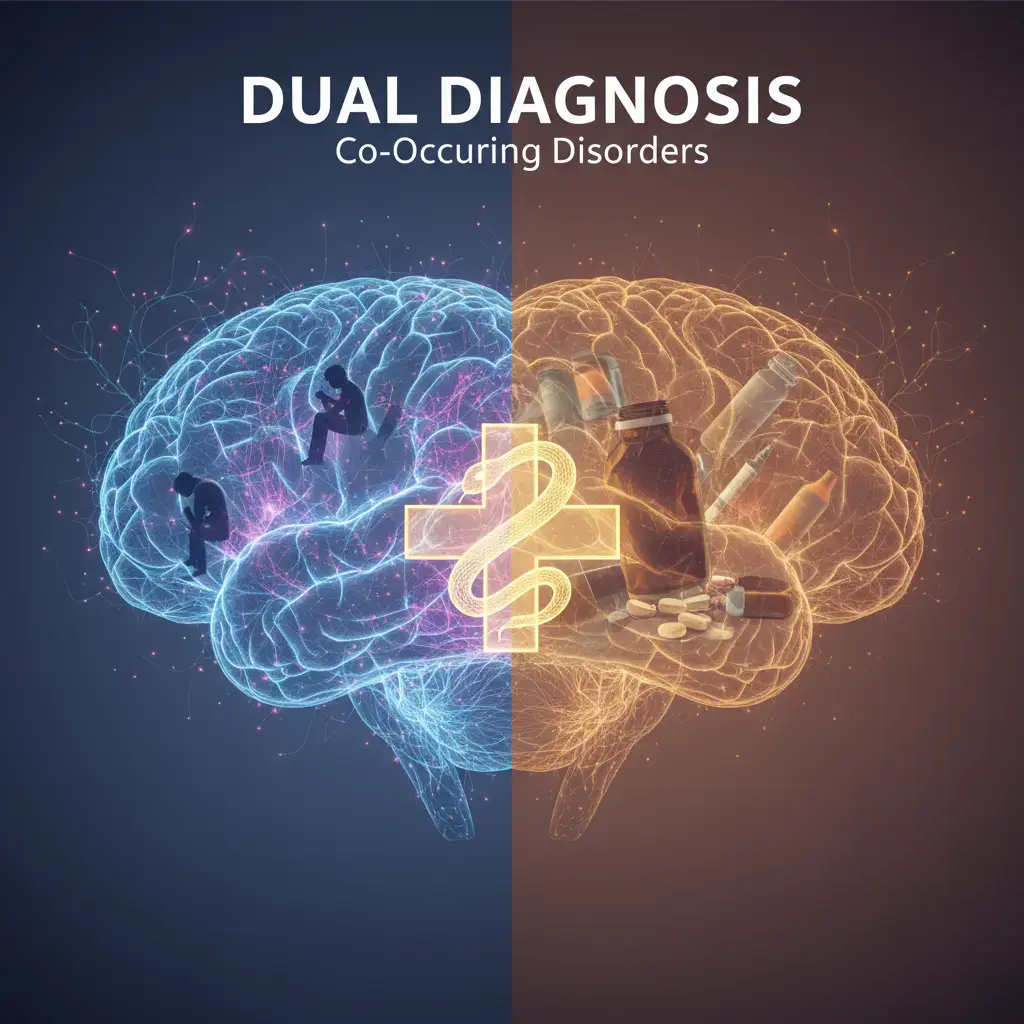
Understanding the general concept of dual diagnosis is one thing; seeing your own struggle reflected in it is another. Certain pairings of mental health and substance use disorders are especially common because of their deeply intertwined neurobiological and psychological roots. Recognizing these patterns is the first step toward finding a treatment that truly understands the unique battle you are fighting.
The War on Two Fronts: Alcoholism and PTSD Recovery
For someone with Post-Traumatic Stress Disorder (PTSD), the world can feel like a minefield of triggers. Alcohol often feels like a shield, a way to numb the hypervigilance and quiet the ghosts of the past. But this shield is a trap; it doesn’t just numb the pain, it prevents the healing.
The connection between trauma and addiction is powerful and well-documented. In most cases, the PTSD develops first, and individuals turn to alcohol to cope with its three core symptom clusters: re-experiencing the event (flashbacks, nightmares), avoidance (numbing, detachment), and hyperarousal (irritability, insomnia, exaggerated startle response). On a neurochemical level, this creates a potent trap. Traumatic events can lead to a period of endorphin withdrawal; because alcohol use increases endorphin activity, drinking can feel like a necessary way to compensate for this deficiency and avoid emotional distress.
Unfortunately, this perceived solution is a devastating illusion. While alcohol may offer temporary relief, it ultimately backfires, making PTSD symptoms worse. It disrupts sleep patterns, making restful sleep less likely, and can increase feelings of irritability and emotional avoidance—the very behavior that keeps trauma unprocessed and locked in place.
The takeaway: For individuals with PTSD and alcoholism, recovery requires trauma-focused care that addresses the root cause of the pain, not just the substance used to numb it.
Navigating Emotional Storms: Addiction and Borderline Personality Disorder (BPD)
Living with Borderline Personality Disorder (BPD) can feel like navigating a constant emotional hurricane. When substances offer a moment of calm in that storm, it’s almost impossible to resist. The tragedy is that this temporary relief only makes the next storm more violent.
BPD is characterized by a pattern of instability in moods, self-image, and relationships, often marked by an intense fear of abandonment, emotional reactivity, impulsivity, and chronic feelings of emptiness. It’s no surprise, then, that up to 78% of adults with BPD will also develop a substance use disorder at some point in their lives, often as a way to self-medicate these intensely painful emotions.
Substance use doesn’t just co-exist with BPD; it acts as a powerful amplifier for its most dangerous symptoms. The impulsivity inherent to BPD is magnified by substance use, increasing the risk of self-harm, unsafe behaviors, and suicidal ideation. This makes finding effective treatment absolutely critical. The most effective, evidence-based therapy for BPD is Dialectical Behavior Therapy (DBT), a skills-based approach that teaches individuals how to regulate their emotions, tolerate distress, and improve interpersonal effectiveness without resorting to self-destructive behaviors.
The takeaway: The presence of BPD fundamentally changes the nature of addiction treatment, requiring specialized therapies like DBT to build the emotional skills necessary for lasting recovery.
Integrated Dual Diagnosis Treatment
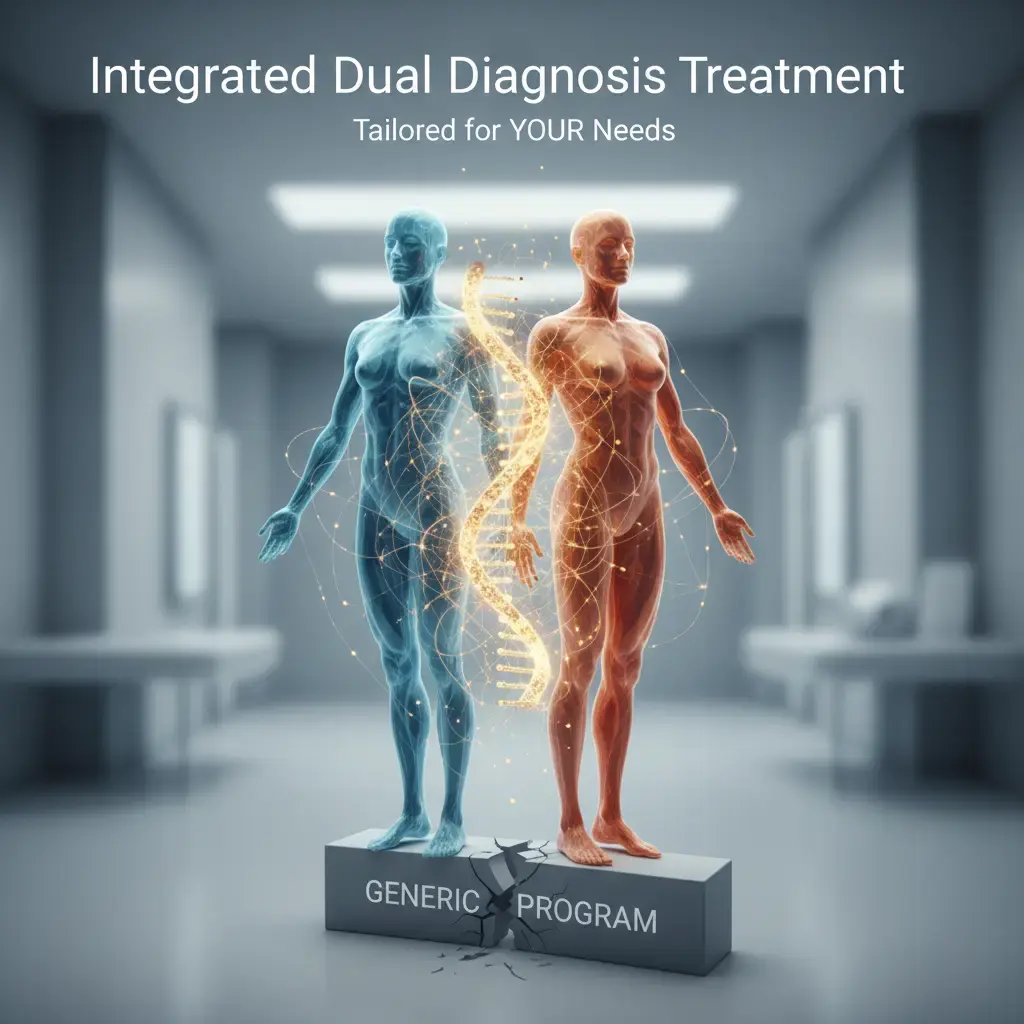
The specific needs of someone with PTSD are different from those of someone with BPD, which illustrates a critical point: a generic, one-size-fits-all addiction program is destined to fail for individuals with a dual diagnosis. The co-occurring mental health condition must dictate the therapeutic approach, which is why the old model of treatment has been replaced by a new gold standard: integrated care.
For decades, the standard approach was sequential: “get sober first, and then we’ll deal with your mental health”. This model was built on a fundamental misunderstanding of the issue, forcing patients to navigate two separate, siloed systems of care. The result was predictable: people fell through the cracks, the untreated mental health condition served as a constant trigger for relapse, and recovery remained out of reach.
Today, integrated treatment is recognized as the standard of care. This model is defined by a unified, coordinated approach where the
same clinical team treats both the substance use disorder and the mental health disorder at the same time and in the same setting. The benefits, as documented by organizations like the Substance Abuse and Mental Health Services Administration (SAMHSA), are profound:
- Reduced or discontinued substance use
- Improvement in psychiatric symptoms and functioning
- Decreased hospitalization and incarceration rates
- Increased housing stability and overall quality of life
A core component of modern integrated care is a trauma-informed approach. This isn’t a specific therapy but a foundational philosophy that recognizes the pervasive impact of trauma and ensures that every aspect of the treatment environment prioritizes physical and emotional safety, choice, collaboration, and empowerment. For anyone with a history of trauma, this approach is non-negotiable, as it avoids practices that could be re-traumatizing and understands that many behaviors are simply attempts to cope with past pain.
| Feature | Sequential (Outdated) Model | Integrated (Modern) Model |
| Core Philosophy | “Treat addiction first, then mental health.” | “Treat both simultaneously as interconnected.” |
| Clinical Team | Siloed providers with little communication. | A unified, multidisciplinary team in constant collaboration. |
| Patient Experience | Bouncing between systems, feeling fragmented. | A seamless, holistic experience treating the whole person. |
| Relapse Risk | High, as the untreated mental health issue remains a primary trigger. | Lower, as underlying drivers and coping skills are addressed concurrently. |
| Typical Outcome | Frustration, treatment dropout, chronic relapse. | Sustainable recovery, improved functioning, and empowerment. |
The takeaway: Integrated treatment isn’t just a better option; it’s the only evidence-based approach that honors the complex reality of co-occurring disorders and offers a genuine path to healing.
Healing the Whole Person: Beyond Talk Therapy
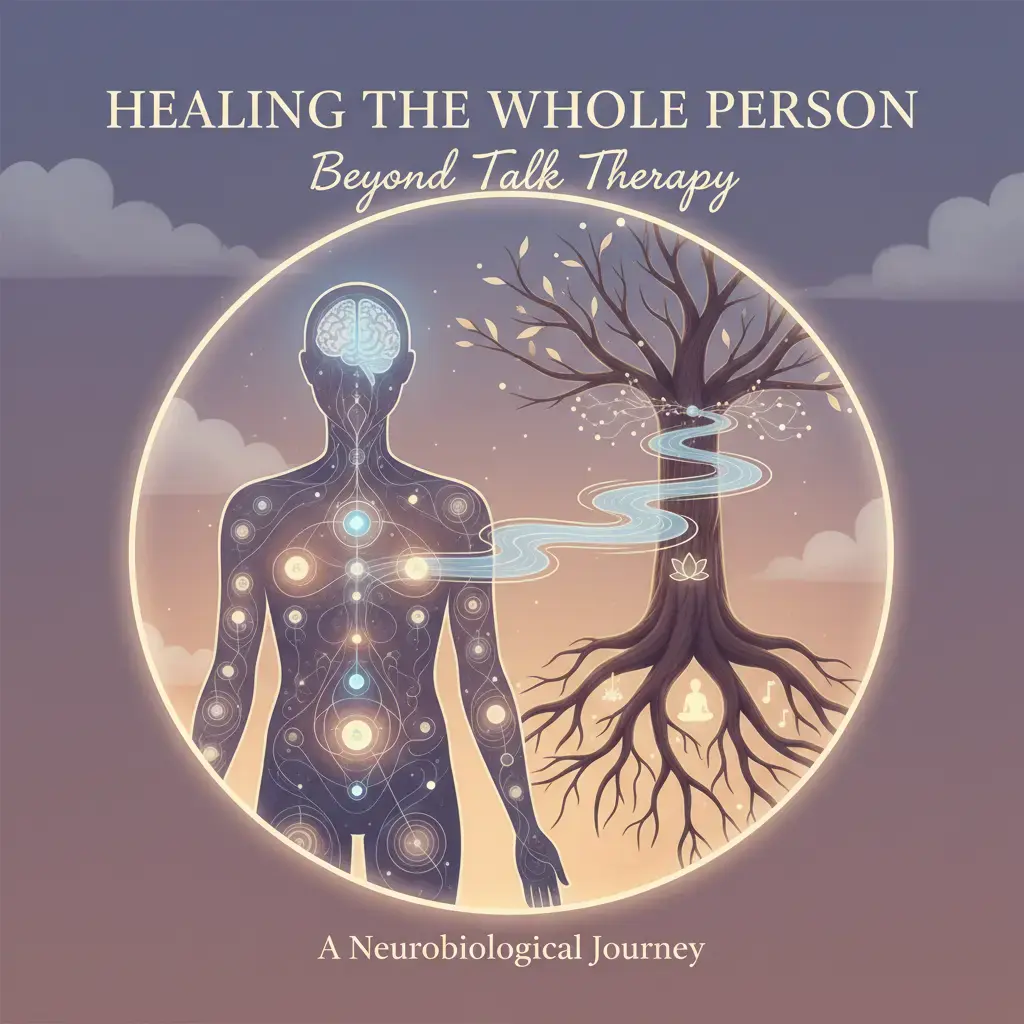
A truly sophisticated dual diagnosis program understands that healing is not just a cognitive process. The chronic stress, trauma, and neurochemical imbalances associated with co-occurring disorders are stored in the body. While talk therapies like CBT and DBT are essential, they are most effective when paired with holistic practices that heal from the “bottom-up”—calming the nervous system and rebuilding the brain’s foundation. These are not wellness perks; they are direct neurobiological interventions.
Reconnecting Mind and Body: Yoga and Mindfulness-Based Relapse Prevention (MBRP)
Yoga is far more than a form of exercise; it is a clinical practice for regulating a dysregulated nervous system. Research shows that yoga can effectively reduce symptoms of PTSD, depression, and anxiety. It works by decreasing levels of the stress hormone cortisol while increasing the release of neurotransmitters like dopamine, directly countering the neurochemical deficits common in both addiction and mood disorders. By integrating breathwork, movement, and meditation, yoga helps calm the body’s fight-or-flight response, which is crucial for anyone living in a state of hyperarousal.
This state of calm awareness is the foundation for Mindfulness-Based Relapse Prevention (MBRP), a powerful set of skills for managing cravings and emotional triggers. A core technique of MBRP is “urge surfing,” which teaches individuals to observe a craving or a difficult emotion as a temporary wave of sensation that will build, crest, and pass on its own. Instead of automatically reacting, you learn to ride the wave without being swept away. This practice fundamentally changes your relationship with discomfort, empowering you to tolerate distress without needing to escape through substance use.
Fueling Recovery: How Nutritional Psychiatry Rebuilds the Brain
The emerging field of nutritional psychiatry is based on a simple but profound premise: what we eat directly impacts our mental health. This connection is driven by the
gut-brain axis, a communication network linking our digestive system and our brain. A staggering amount of our body’s neurotransmitters, including up to 90% of our serotonin (the “feel-good” chemical), are produced in the gut.
Diets high in sugar and processed foods are linked to increased inflammation, which can worsen mood disorders like depression and anxiety. Conversely, nutrient-dense dietary patterns, such as the Mediterranean diet, have been shown to protect against depression and support overall brain function. Key nutrients for recovery include:
- Omega-3 Fatty Acids: Found in fatty fish and nuts, these are essential for brain structure and have anti-inflammatory properties.
- B Vitamins: Crucial for producing the energy and neurotransmitters needed for stable mood.
- Probiotics: Healthy gut bacteria found in foods like yogurt help maintain the gut microbiome, supporting neurotransmitter production.
The takeaway: A comprehensive dual diagnosis program must address the physical body through practices like yoga, mindfulness, and nutrition to calm the nervous system and provide the brain with the building blocks it needs to heal.
The Costa Rica Difference: A Sanctuary for Deep Healing
Knowing what effective dual diagnosis treatment looks like is the first step. The next is finding a place where that treatment can be delivered most effectively. The environment itself can be a powerful therapeutic tool. Research consistently shows that spending time in nature reduces stress, lowers cortisol levels, and improves mood—all of which are critical for recovery. Removing yourself from the people, places, and routines that trigger your substance use provides the psychological space needed to focus completely on healing.
This is the core of the Costa Rica Treatment Center model. We combine gold-standard integrated care with a healing environment and unique therapeutic modalities that leverage the natural beauty of our surroundings. One of our key differentiators is adventure therapy, an experiential approach that uses outdoor activities like hiking, surfing, and equine therapy as powerful tools for personal growth and skill-building.
This is not simply recreation; it is the real-world application of the skills learned in therapy.
- For someone with PTSD, the intense, present-moment focus required to surf a wave or navigate a climb serves as a powerful antidote to intrusive thoughts and flashbacks.
- For someone with BPD or anxiety, working with a horse in equine therapy becomes a lesson in emotional regulation, as the animal directly mirrors their internal state. Successfully navigating a challenging jungle hike is a direct, embodied experience of distress tolerance—it proves, in a way no conversation can, that youcan handle difficult things.
At Costa Rica Treatment Center, we have created a complete ecosystem of healing. A day here weaves together evidence-based psychotherapy, nutritious meals designed by the principles of nutritional psychiatry, yoga to regulate the nervous system, and adventure therapy in the rainforest to build resilience and reconnect with the “Pura Vida”—the pure life. It transforms treatment from something you endure into a journey you embrace.
The takeaway: Healing from a dual diagnosis requires more than just the right therapy; it requires a purpose-built environment where those therapeutic principles can be practiced, embodied, and integrated into a new way of living.
Frequently Asked Questions (FAQs)
What is dual diagnosis? Dual diagnosis is the medical term for having both a mental health disorder (like depression, anxiety, or PTSD) and a substance use disorder at the same time. The conditions are often called co-occurring disorders because their symptoms can overlap and worsen each other.
Can PTSD and addiction be treated together? Yes. In fact, research shows that treating PTSD and a substance use disorder at the same time through an integrated, trauma-informed approach is the most effective path to recovery for both conditions.
Why is treating both mental health and addiction at the same time so important? Treating both simultaneously is crucial because the two conditions are deeply intertwined. The symptoms of the mental health disorder often trigger substance use, and substance use can worsen the mental health condition. Addressing only one leaves the other to act as a constant catalyst for relapse.
What is integrated therapy? Integrated therapy is a coordinated treatment model where a single, multidisciplinary clinical team addresses both a person’s mental health and substance use disorders concurrently, in the same treatment setting. This is considered the gold standard for dual diagnosis care.
What makes trauma-informed care different? Trauma-informed care is a foundational approach, not a specific therapy. It operates on the principles of safety, choice, collaboration, and empowerment. It recognizes that many problematic behaviors are attempts to cope with past trauma and ensures that the treatment environment does not re-traumatize the individual.
How does nutrition affect recovery from addiction and mental illness? Nutrition has a direct impact on brain health through the “gut-brain axis.” A healthy, nutrient-dense diet can help restore vital neurotransmitters like serotonin that are depleted by substance use and mental health disorders, which helps to stabilize mood, reduce cravings, and support overall recovery.
Why choose a rehab in Costa Rica for dual diagnosis? Costa Rica offers a unique healing environment that combines evidence-based integrated treatment with the therapeutic power of nature. Programs here often include holistic and adventure therapies—like yoga, mindfulness, surfing, and hiking—that leverage the tranquil, tropical setting to reduce stress, build resilience, and support deep, lasting recovery from co-occurring disorders.