TL;DR: Yes, Dilaudid is significantly stronger than Oxycodone—anywhere from 2.5 to 5 times more potent, meaning a much smaller dose has a much bigger effect. But “stronger” also means the risk of accidental overdose is much higher. This guide explains that Dilaudid is typically used for severe, short-term pain in controlled settings like hospitals, while Oxycodone is more common for managing ongoing pain at home. We break down the crucial differences between physical dependence and addiction, the life-threatening dangers of mixing opioids with alcohol or other drugs, and the deep connection between chronic pain and mental health. Most importantly, we…
TL;DR: Yes, Dilaudid is significantly stronger than Oxycodone—anywhere from 2.5 to 5 times more potent, meaning a much smaller dose has a much bigger effect. But “stronger” also means the risk of accidental overdose is much higher. This guide explains that Dilaudid is typically used for severe, short-term pain in controlled settings like hospitals, while Oxycodone is more common for managing ongoing pain at home. We break down the crucial differences between physical dependence and addiction, the life-threatening dangers of mixing opioids with alcohol or other drugs, and the deep connection between chronic pain and mental health. Most importantly, we want you to know that if you’re struggling, compassionate help is available through modern treatments and holistic therapies that heal the whole person, not just the symptoms.
If you’re here, reading these words, it’s probably late. Maybe the house is quiet, and the only light is the glow from your screen. You typed a question into a search bar because you’re in pain, or you’re worried about someone you love. Maybe you’re scared. Confused. Or maybe you just feel alone with the questions swirling in your head.
Whatever brought you here, we want you to take a breath. You’re not alone in this. Asking this question is a brave first step toward understanding, and understanding is the first step toward taking back control.
For so many people, the journey with pain medication doesn’t start with a choice to misuse it. It starts with a desperate need for relief. It starts with a car accident, a surgery, or a chronic illness that settles into your bones and doesn’t let go. It can start with a pain that isn’t just physical, but emotional—a deep ache that a pill seems to quiet, even for a little while.
So, let’s talk about it. Honestly and without judgment. Let’s answer the question you came here for, and then let’s talk about the questions underneath it—the ones that are harder to ask.
Which is Stronger: Dilaudid or Oxycodone?
Let’s get right to it. Is Dilaudid stronger than Oxycodone?
Yes. Unequivocally, Dilaudid is significantly stronger.
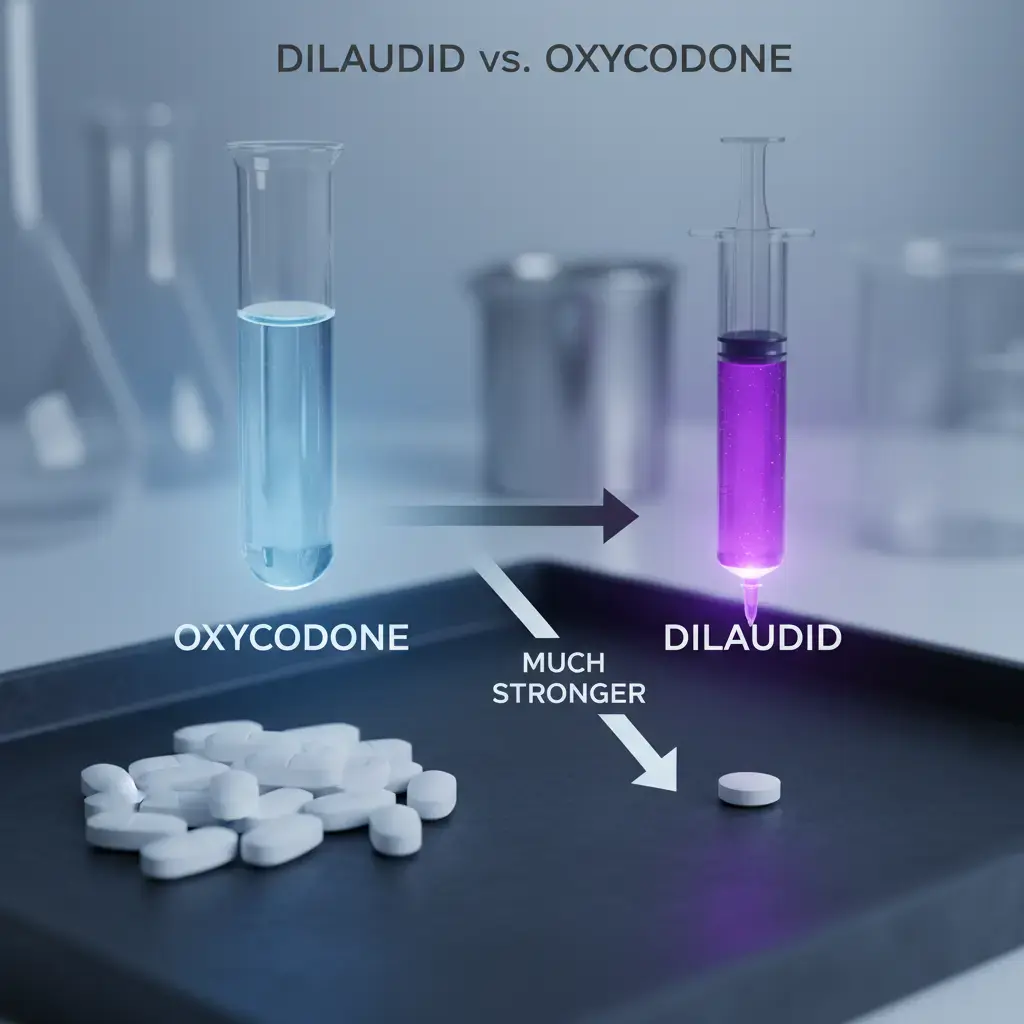
It’s not just a little stronger; it’s a lot stronger. Think of it this way: to get the same amount of pain relief, you need a much smaller dose of Dilaudid than you would of Oxycodone. The medical world has charts for this, called equianalgesic tables, to help doctors make safe conversions. On these charts, oral Dilaudid (whose generic name is hydromorphone) is considered to be anywhere from 2.5 to 5 times more potent than oral Oxycodone, milligram for milligram.
To put that in real-world terms, just 1.5mg to 2mg of Dilaudid can provide the same pain relief as a 10mg dose of Oxycodone. This means a single 4mg Dilaudid tablet—a pill that looks small and might seem harmless—could have the same impact on your body as 20mg to 30mg of Oxycodone.
And that leads us to the more important truth: potency isn’t the whole story.
“Stronger” doesn’t automatically mean “better” or more effective for your specific pain. What it absolutely does mean is that the margin for error is drastically smaller. With a medication this powerful, a tiny miscalculation, a simple misunderstanding of the dose, or mixing it with another substance can have devastating consequences. The risk of an accidental overdose isn’t just a vague warning; it’s a mathematical reality. If someone is used to taking a 10mg Oxycodone and thinks a 4mg Dilaudid is a smaller, weaker dose, they could be unknowingly taking double or triple their usual effective dose. This is how easily a tragedy can happen, even when no one is intending to misuse their medication.
Both medications carry what the FDA calls “boxed warnings,” which are the most serious alerts they can issue. These warnings highlight the risks of addiction, misuse, and life-threatening breathing problems, a condition called respiratory depression where your breathing slows down so much it can stop completely. For Dilaudid, there’s even a specific warning about its liquid form, because confusing milligrams (mg) with milliliters (mL) has led to fatal overdoses. These aren’t just abstract risks; they are real dangers that come with the territory of high-potency opioids.

What Are Dilaudid and Oxycodone Prescribed For?
So if Dilaudid is so much stronger, why would a doctor ever prescribe it? And why is Oxycodone so common? It helps to think of these medications not as good or bad, but as different tools in a doctor’s toolbox, each designed for a different kind of job.
At their core, both Dilaudid and Oxycodone work in a similar way. They are both opioids, which means they attach to special landing spots in your brain and nervous system called opioid receptors. When they connect to these receptors, they block pain signals from reaching your brain. They can also trigger the release of dopamine, a chemical that boosts feelings of pleasure and creates a powerful sense of well-being or euphoria. This is what makes them so effective for pain, but it’s also what makes them so highly addictive.
But while they share a basic mechanism, they are used for very different situations.
When Do Doctors Prescribe Dilaudid (Hydromorphone)?
Dilaudid is like a high-powered, specialized tool. It works very quickly and provides intense pain relief. Because of its strength and rapid onset, it’s most often used in controlled medical settings, like a hospital, to manage severe, acute pain. “Acute” means pain that is short-term and intense.
You might be given Dilaudid in situations like:
- Right after a major surgery.
- Following a serious traumatic injury, like a bad burn or multiple fractures.
- To manage severe, breakthrough cancer pain.
Because it’s so potent, doctors can use very small doses to get pain under control quickly. It’s a crucial tool for some of the most painful experiences a person can go through, but it’s typically not the first choice for pain that needs to be managed at home over a long period.
When Do Doctors Prescribe Oxycodone?
Oxycodone is a more versatile tool. While still a very strong opioid, it’s less potent than Dilaudid, and it comes in different formulations that make it suitable for managing pain outside of a hospital setting. It’s often prescribed for moderate-to-severe pain that is expected to last for a while.
Oxycodone comes in two main forms:
- Immediate-Release (IR): This form works relatively quickly (within 30-60 minutes) and lasts for about 4 to 6 hours. It’s often used for “breakthrough” pain that isn’t controlled by other medications. Brand names you might recognize include Roxicodone, or combination products like Percocet (which includes acetaminophen).
- Extended-Release (ER): This form is designed to release the medication slowly over a 12-hour period. This provides more steady, around-the-clock pain relief, which can be better for managing chronic pain from conditions like severe arthritis or ongoing cancer pain. The most well-known brand name for this is OxyContin.
This versatility is why Oxycodone is one of the most commonly prescribed opioids for patients to take at home.
To make it even clearer, here’s a simple breakdown:
| Feature | Dilaudid (Hydromorphone) | Oxycodone |
| Primary Use | Often for severe, short-term pain (e.g., post-surgery, in-hospital) | Often for moderate-to-severe, ongoing pain (e.g., chronic conditions, at-home use) |
| Potency | Significantly stronger (a smaller dose has a bigger effect) | Strong, but less potent milligram-for-milligram than Dilaudid |
| How It Feels | Tends to have a faster, more intense onset of action | Can provide steadier, longer-lasting relief (especially ER forms which last up to 12 hours) |
| Common Forms | Tablets, liquid, injection (often in hospitals) | Tablets, capsules, liquid (common for at-home use) |

What Are the Risks of a Stronger Opioid Like Dilaudid?
Understanding that these are different tools is important, but it’s even more critical to understand why Dilaudid’s higher potency demands so much more caution. The risks associated with opioids don’t just appear out of nowhere; they often build over time, and a more potent drug can accelerate that process.
Understanding Opioid Tolerance
Have you ever noticed that after drinking coffee every day for a month, you need two cups to feel the same jolt that one used to give you? That’s tolerance. Your body adapts. Opioids work the same way.
When you take an opioid regularly, your body gets used to it. The same dose that once erased your pain now just dulls it. To get the same relief, you need to take a higher dose. This is a natural biological process, but it’s a dangerous one. Because Dilaudid is so potent, tolerance can develop more quickly, pushing the dose up faster and moving you closer to dangerous levels.
Physical Dependence vs. Addiction: What’s the Difference?
These two terms are often used interchangeably, but they mean very different things. Understanding the distinction is crucial for letting go of shame and finding the right kind of help.
Physical dependence is when your body has adapted to the presence of a drug. If you stop taking it suddenly, you will experience withdrawal symptoms—things like muscle aches, sweating, nausea, anxiety, and insomnia. This is a normal physiological response that can happen to anyone who takes opioids for an extended period, even exactly as prescribed. It doesn’t mean you’re addicted.
Addiction, now clinically known as Opioid Use Disorder (OUD), is a chronic, relapsing brain disease characterized by compulsive drug seeking and use, despite harmful consequences. It’s not a choice or a moral failing. OUD changes your brain’s structure and function, particularly in the areas responsible for reward, stress, and self-control. The craving for the drug becomes so powerful it can override everything else.
Why Is the Method of Use (Injecting, Snorting) So Dangerous?
The way a drug enters your body dramatically changes its effect on your brain and its potential for addiction. Swallowing a pill means the drug is absorbed slowly through your digestive system. But if a drug is crushed and snorted, or dissolved and injected, it bypasses this slow route and hits the brain almost instantly, creating an intense, immediate wave of euphoria—a “rush”.
This is where Dilaudid’s risks become particularly sharp. Because of its chemical properties, it’s more water-soluble than many other opioids, making it easier to prepare for injection. The rapid, powerful rush from IV Dilaudid is intensely reinforcing to the brain’s reward circuits, which means it has a significantly higher potential to lead to a fast-progressing and severe addiction compared to taking oral Oxycodone. The method of use isn’t a minor detail; it’s a central factor in how quickly and severely an addiction can take hold.
What Happens When You Mix Opioids with Alcohol or Other Drugs?
This is the most important safety warning of all. Combining opioids with other substances that slow down the central nervous system is incredibly dangerous. It’s like pressing the brake pedal on your breathing, and if you press too many at once, your breathing can stop altogether.
The most dangerous combinations include:
- Alcohol
- Benzodiazepines (often prescribed for anxiety, like Xanax, Valium, Klonopin, or Ativan)
- Some sleep medications (like Ambien or Lunesta)
- Other opioids (prescription or illicit)
This isn’t a suggestion; it’s a life-or-death warning that is on the black box label of every opioid prescription. The majority of fatal opioid overdoses involve more than one substance.
The Link Between Chronic Pain, Mental Health, and Addiction
If we only talk about potency, tolerance, and brain chemistry, we miss the most important part of the story: you. The person in pain.
Living with chronic pain is more than just a physical experience. It’s an emotional marathon. It’s exhausting. It can feel incredibly lonely. Research shows a powerful, undeniable link between chronic pain and mental health. People living with persistent pain are four times more likely to experience depression or anxiety.
The pain can shrink your world. You might stop doing hobbies you once loved. You might turn down invitations from friends because you’re afraid of a flare-up or simply too tired. Sleep becomes a battle. Your relationships can become strained. A sense of hopelessness can set in, which, in a cruel twist, can actually make the physical sensation of pain feel even worse. Opioid use itself can also contribute to or worsen mood disorders, trapping a person in a vicious cycle where the “solution” is also part of the problem.
On top of all this, there’s the weight of stigma. In the midst of a national opioid crisis, people in legitimate pain are often terrified of being judged. You might worry that your doctor thinks you’re a “drug seeker.” You might hide how much pain you’re in from your family for fear they’ll think you’re weak or addicted. This fear is real and justified. Some doctors, afraid of legal scrutiny, have become hesitant to prescribe opioids at all, sometimes leaving patients with severe pain feeling abandoned and desperate. This creates a terrible paradox where the very system designed to help becomes a source of fear and suffering, for both the patient and the provider.
When you read the stories of people who have walked this path, you see this human reality so clearly. Cortney’s journey began not just with physical pain, but with a need to “take away my emotional pain and make me numb”. Cristin’s started with a legitimate prescription for back pain after a car accident. When her doctor cut her off, the agony of withdrawal and untreated pain led her to seek relief from heroin, not because she wanted to be a “junkie,” but because she was desperate to stop the sickness.
These aren’t stories of moral failure. They are stories of human suffering and a desperate search for relief. Maybe they sound a little like your own.
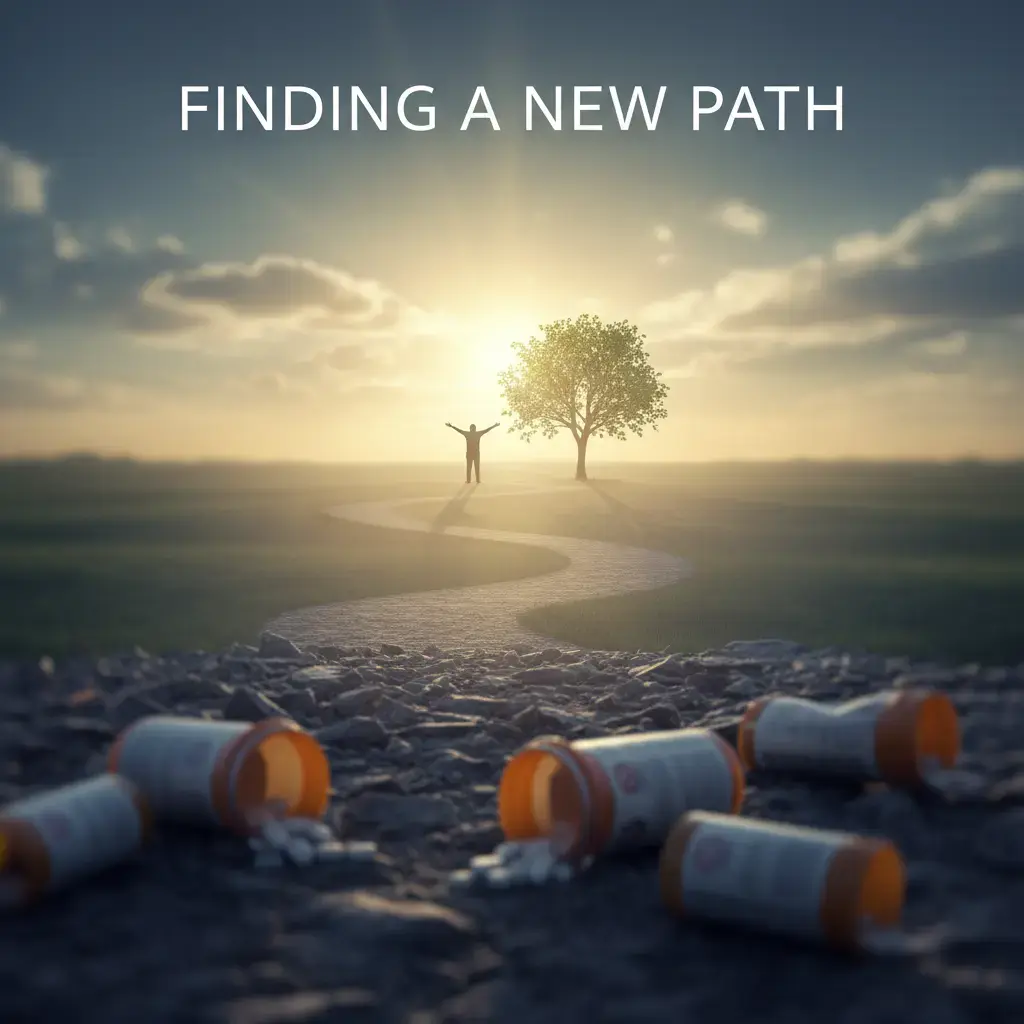
How to Find Help and Hope for Opioid Dependence
The question isn’t just about which painkiller is stronger. The real question is, how do you find relief that is sustainable? How do you build a life that isn’t defined by pain or by the medication you take for it?
The answer begins with hope. Recovery is not just possible; it happens every single day. As Cortney says, after pulling herself out of the darkest of places, “no matter what you have done, there is so much life left to live”.
What Does Compassionate Opioid Addiction Treatment Look Like?
If you feel like your use of opioids has become a problem, please know that modern, effective treatment is not about punishment or shame. It’s about compassion, science, and support. A good treatment program understands that you are a whole person, not just a diagnosis.
This approach often includes:
- Medication-Assisted Treatment (MAT): This is the gold standard for treating OUD. Medications like buprenorphone (Suboxone) or naltrexone (Vivitrol) work to normalize brain chemistry, reduce cravings, and block the effects of opioids. This gives you the stability you need to do the deeper work of recovery.
- Peer Support: One of the most powerful tools in recovery is connecting with someone who has been there. Certified peer recovery specialists use their own lived experience to offer guidance, empathy, and proof that a better life is possible.
- Therapy and Counseling: Therapy helps you address the root causes of your pain and your substance use. Approaches like Compassion-Focused Therapy can help you quiet the harsh inner critic and heal from shame , while Motivational Interviewing helps you connect with your own reasons for wanting to change, empowering you to take the lead in your own recovery.
Can Holistic Therapies Help Manage Pain in Recovery?
Sustainable recovery, especially when chronic pain is involved, requires a dual approach. It’s not enough to just stop the opioid; you have to learn new, healthier ways to manage the pain that started it all. This is where holistic therapies can be life-changing. They treat the whole person—mind, body, and spirit.
These are not replacements for medical care, but powerful complements that can reduce your reliance on medication and improve your quality of life:
- Mind-Body Practices: Techniques like mindfulness meditation, yoga, and deep breathing exercises can fundamentally change your relationship with pain. They teach you to observe pain without being controlled by it, and they calm the nervous system, which can reduce pain intensity.
- Physical Therapies: A customized plan from a physical therapist can improve your strength and flexibility, reducing pain and preventing re-injury. Other body-based therapies like massage, chiropractic care, and acupuncture can release muscle tension and trigger the release of your body’s own natural painkillers, endorphins.
- Cognitive and Behavioral Therapies (CBT): CBT is a form of talk therapy that helps you identify and change the negative thought patterns and behaviors that can make pain worse. It gives you practical coping skills for living with a chronic condition.
- Nutrition and Lifestyle: Simple changes, like eating an anti-inflammatory diet, can have a real impact on pain levels. Gentle, regular movement releases endorphins and improves mood.
Your First Step Is Reaching Out for Help
You started this journey by asking a question. That took courage. The next step is to reach out and talk to someone who understands, someone who can help you navigate the path forward without judgment.
Here at Costa Rica Treatment Center, we believe in treating the whole person with dignity and compassion. We know that behind every story of addiction is a story of pain, and we are here to help you heal both. Making that call isn’t a sign of weakness; it is the ultimate act of strength. It’s choosing to believe that a life with less pain and more freedom is possible for you.
Because it is.
Frequently Asked Questions
How much stronger is Dilaudid than Oxycodone?
Dilaudid (hydromorphone) is significantly stronger. On a milligram-for-milligram basis, oral Dilaudid is considered to be about 4 to 5 times more potent than oral Oxycodone. To give a practical example, it only takes about 1.5mg to 2mg of Dilaudid to produce the same pain-relieving effect as a 10mg dose of Oxycodone. This high potency is why the risk of accidental overdose is so much greater with Dilaudid.
What does Dilaudid feel like compared to Oxycodone?
Both medications can produce feelings of pain relief, relaxation, and euphoria. However, Dilaudid generally has a faster and more intense onset of action, especially if misused by injection, which creates a powerful “rush”. Oxycodone, particularly in its extended-release forms like OxyContin, is designed to provide steadier, longer-lasting relief over many hours. The rapid, intense effects of Dilaudid contribute to its higher potential for abuse and addiction.
Can you get addicted to Dilaudid if you take it as prescribed?
It’s important to understand the difference between physical dependence and addiction. Anyone who takes an opioid for an extended period, even exactly as prescribed, will likely develop a physical dependence. This means their body has adapted to the drug, and they will experience withdrawal symptoms if they stop suddenly. Addiction, or Opioid Use Disorder (OUD), is different. It’s a brain disease characterized by compulsive drug use despite harmful consequences. While taking medication as prescribed for pain is not addiction, the risk is always present because of how opioids affect the brain’s reward system.
Is it safe to drink alcohol with Oxycodone or Dilaudid?
No, it is extremely dangerous to mix opioids like Dilaudid or Oxycodone with alcohol or other central nervous system depressants like benzodiazepines (Xanax, Valium). Both opioids and alcohol slow down your breathing. When taken together, this effect is magnified and can lead to severe respiratory depression, where your breathing slows down so much that it stops, resulting in coma or death. This warning is included in the FDA’s most serious “boxed warning” for all opioid medications.
What are some non-addictive ways to manage chronic pain?
There are many effective, non-addictive strategies that can be part of a holistic pain management plan, especially during recovery. These approaches treat the whole person—mind, body, and spirit. They include:
- Mind-Body Practices: Techniques like mindfulness meditation, yoga, and guided imagery can help calm the nervous system and change your relationship with pain.
- Physical Therapies: Physical therapy can improve strength and flexibility, while massage and chiropractic care can relieve muscle tension.
- Acupuncture: This practice can trigger the release of endorphins, your body’s natural painkillers.
- Cognitive Behavioral Therapy (CBT): This form of therapy helps you develop practical coping skills and change negative thought patterns that can worsen pain.
- Diet and Nutrition: Adopting an anti-inflammatory diet can help reduce pain levels in some people.